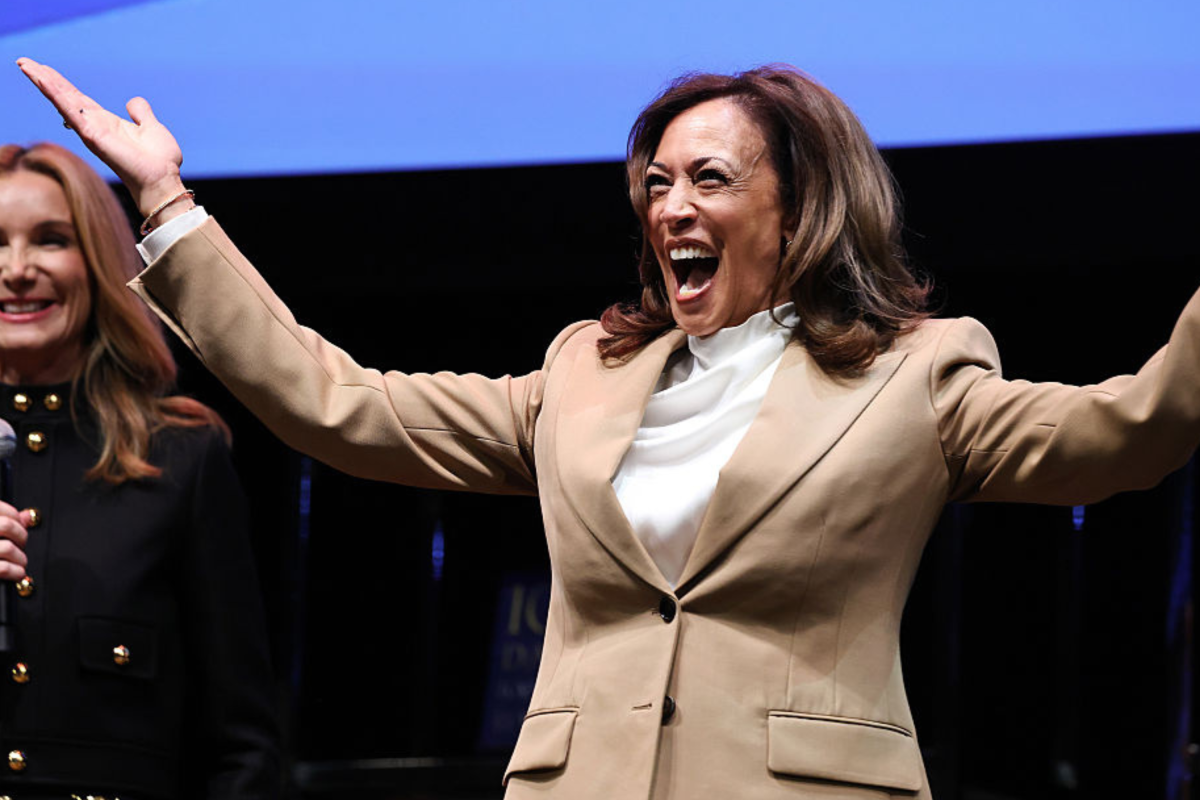
Former Vice President Kamala Harris is receiving renewed attention as a potential 2028 presidential contender, as new polling and analysis suggest that Democratic voters may be more receptive to a pragmatic, center‑leaning figure than the party’s public image or internal rhetoric often implies.
What To Know
A recent survey analysis published by the Manhattan Institute found that the Democratic coalition is significantly more moderate and internally divided, with the party’s largest bloc made up of voters who favor a more “normal,” middle‑of‑the‑road governing approach.
On issues ranging from immigration and crime to education and social policy, respondents often favored incremental or centrist positions over more ideologically rigid ones. Analysts behind the survey argued that the party’s median voter is closer to the center than commonly portrayed, a dynamic that could benefit a candidate with broad name recognition and establishment credibility.
The findings come as Harris remains competitive—or gains ground—in early polling of potential Democratic presidential candidates, fueling speculation about a possible comeback bid.
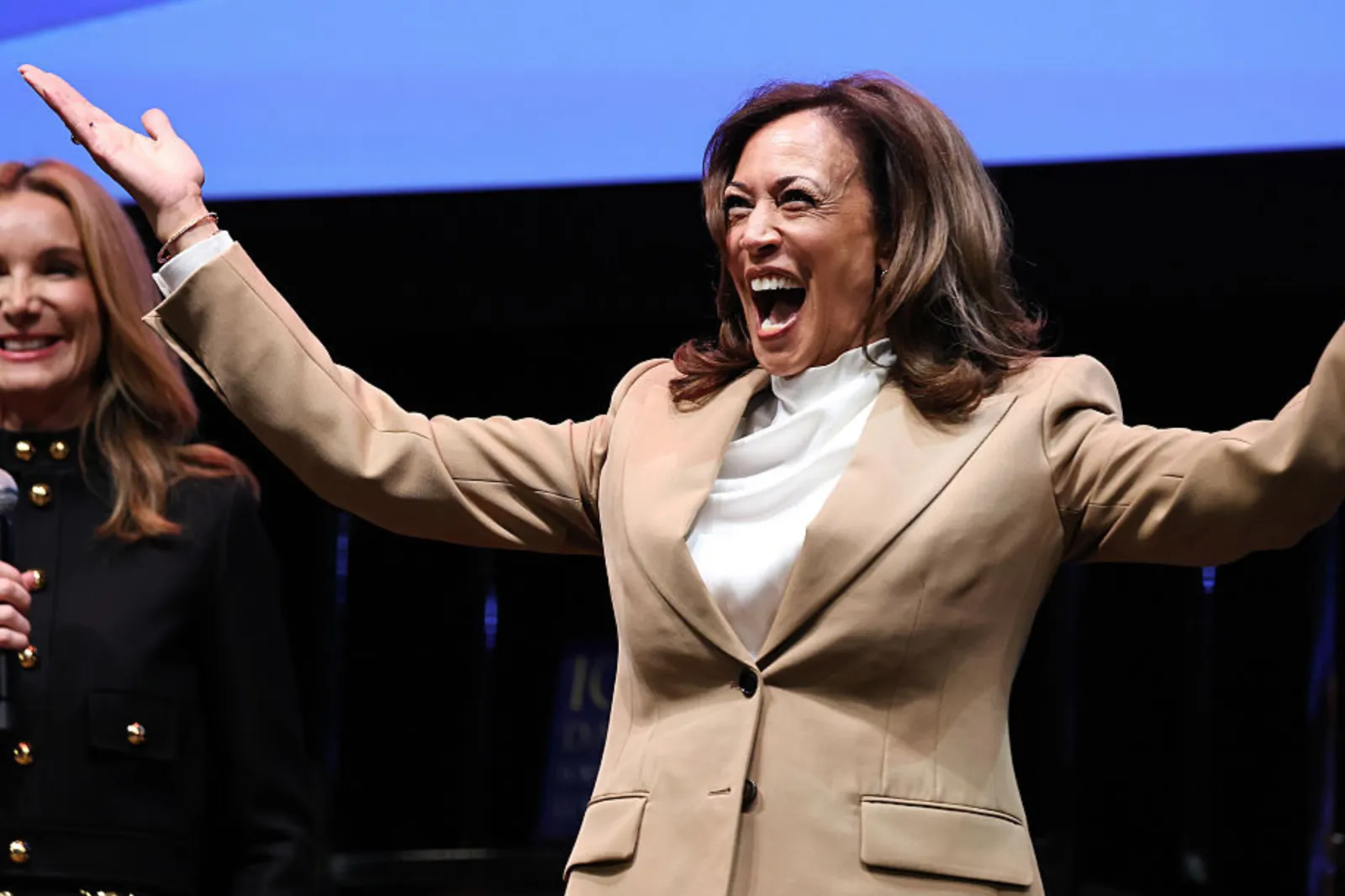
Bid Not Ruled In or Out
This environment may play to Harris’s advantage. Despite her 2024 loss to President Donald Trump, Harris has remained a prominent national figure through a high‑profile memoir release, a nationwide book tour, and continued engagement with Democratic audiences.
Polling has shown Harris either leading or closely trailing other top Democratic figures, including California Governor Gavin Newsom, in early 2028 primary matchups.
Harris herself has been careful not to commit to another run, while repeatedly declining to rule one out. In a February 2026 live video conversation, Harris said she had not made a decision but acknowledged the possibility directly, responding, “I haven’t decided…I might,” when asked if she would run again.
The remark marked one of her clearest public acknowledgments yet that a future presidential campaign remains under consideration.
In earlier interviews, reported by The Hill, Harris has also emphasized that she is “not done” with public service, even as she avoids setting timelines or announcing formal campaign plans. She has said her immediate focus is on public engagement and supporting Democrats in upcoming elections, rather than launching a new campaign prematurely.
What Happens Next
Political analysts note that Harris’s measured approach mirrors the broader uncertainty within the Democratic Party following the 2024 election.
With voters signaling fatigue over ideological extremes and internal divisions, the Manhattan Institute survey suggests that candidates perceived as steady, familiar, and broadly acceptable may have an advantage heading into the next presidential cycle.
While Harris faces competition from other high‑profile Democrats, the combination of favorable polling, sustained visibility, and signs that Democratic voters may be open to a centrist recalibration has given her potential bid new momentum—whether or not she ultimately decides to take the plunge.