The Cross River State Government has commenced the 2026 school-based deworming campaign aimed at protecting hundreds of thousands of children from intestinal worm infections across the state.
The intervention, which targets children between the ages of five and 14 years, is part of efforts to improve the health and academic performance of school-age pupils in communities where worm infections are prevalent.
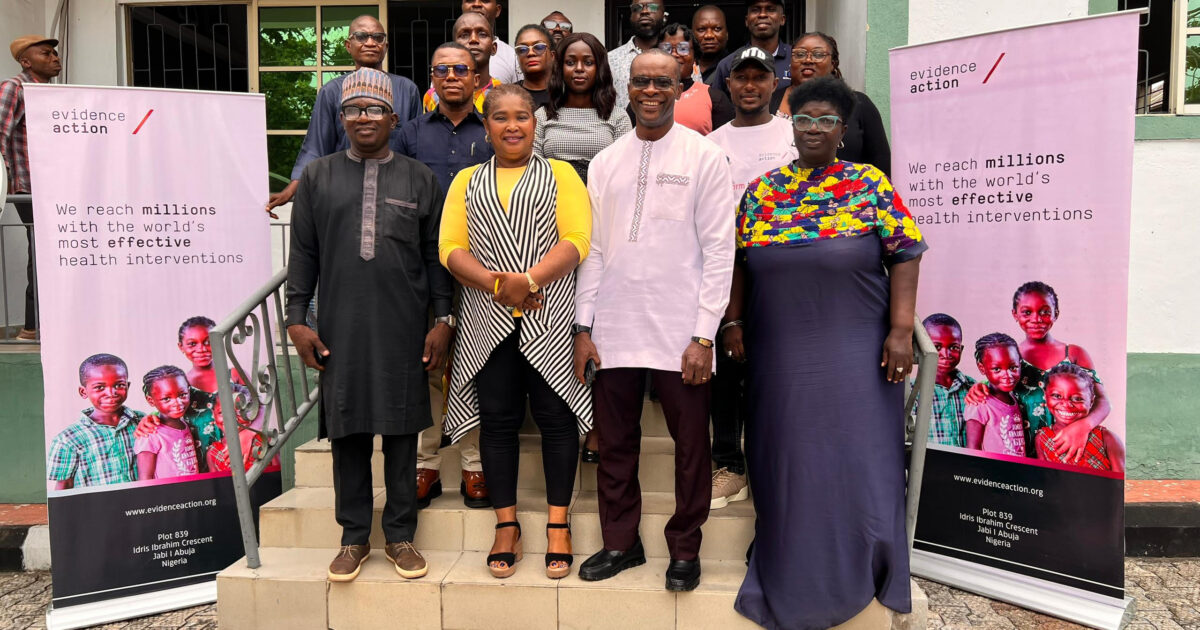
The programme was highlighted during a one-day stakeholders’ workshop organised by Evidence Action at the Nigeria Union of Journalists Press Centre in Calabar on Tuesday, where journalists, health professionals and development partners gathered to strengthen awareness and media coverage of neglected tropical diseases.
Speaking during the engagement, the Cross River State Programme Officer for Neglected Tropical Diseases, Veronica Mark, said the exercise was designed to eliminate worm infections that often affect children’s growth and learning ability.
She explained that the programme would focus on children within the school age bracket and would be implemented in both schools and communities where the diseases are endemic.
“This activity is mainly for children from the ages of five to fourteen years. We want them to take this medicine so they can be free from worm infections and be effective in their various schools and perform well in the future. A child that is heavily infested with worms will not do well in class and sometimes may even stay away from school,” she said.
Mark assured parents and school authorities that the medicines to be administered are safe and completely free, urging communities to cooperate with health workers and teachers who will administer the drugs.
“We want everybody to know that this medicine is not harmful and nobody is expected to pay for it. The medicines are free and will be administered by trained health workers and teachers,” she added.
Also speaking, the Senior Manager of Evidence Action Nigeria and South-South Programme Lead, Eustace Ohaji, said the initiative forms part of global efforts to eliminate neglected tropical diseases by 2030 in line with targets set by the World Health Organisation.
According to him, the programme has already recorded measurable success in the state since it began operations in 2016.
Ohaji disclosed that an impact assessment conducted with the Federal Ministry of Health showed that the prevalence of soil-transmitted helminth infections in Cross River had reduced by 48.5 per cent, while cases of schistosomiasis dropped by 76 per cent.
He noted that the current phase of the exercise would run for five days and focus on soil-transmitted helminth infections, while treatment for schistosomiasis would take place at a later stage.
According to him, trained teachers and health workers have been deployed to schools, while each participating school has been linked to a nearby health facility to manage any mild side effects that may occur.
“Adverse events are life-threatening conditions, while side effects are expected reactions that are usually mild. For the deworming medicines we administer, there are no known adverse events, and health workers are on standby to manage any reactions,” he said.
Ohaji also commended the Cross River State Government for approving financial support for the intervention, noting that the funding would help sustain efforts to eliminate neglected tropical diseases in the state.
He disclosed that out of the 18 local government areas in the state, 14 are eligible for mass administration of deworming medicines based on disease prevalence, adding that the current phase would focus on seven LGAs while the remaining areas would be covered in subsequent rounds.
Earlier, the Chairman of the Nigeria Union of Journalists in the state, Archibong Bassey, commended Evidence Action and its partners for the initiative, describing the programme as a critical intervention for improving child health.
She urged parents, schools and community leaders to cooperate with programme implementers to ensure that every eligible child benefits from the exercise.
“This programme is very commendable because sometimes parents forget to deworm their children and that can have serious effects on their health and education. The media will continue to support this effort by ensuring that the information reaches the public,” she said.
Evidence Action currently supports deworming programmes targeting more than six million school-age children annually across Nigeria and has helped treat over 44 million children since 2016.
Deworming is the use of anthelmintic medications such as Albendazole or Mebendazole to eliminate parasitic worms, including Hookworm, Roundworm and Tapeworm, from the body of humans or animals.
It is an important public health measure for treating infections that can lead to malnutrition, anaemia and stunted growth, particularly in children.