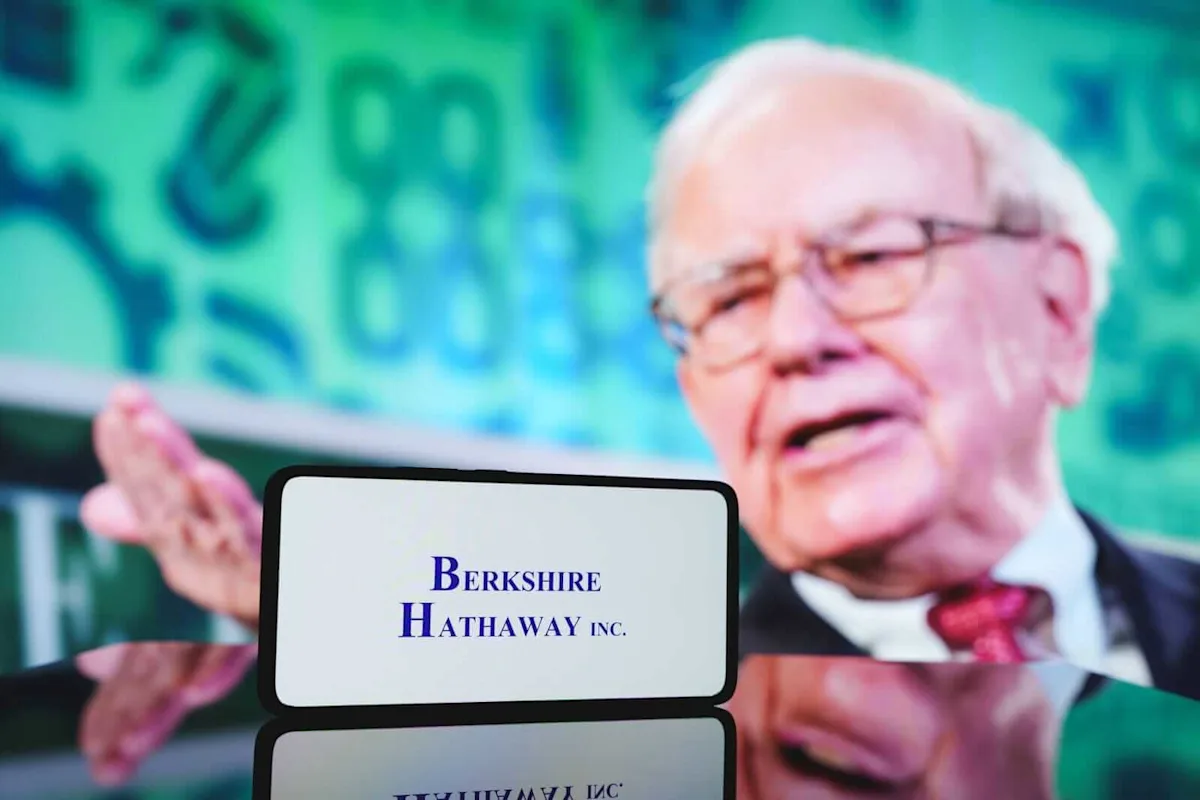
Berkshire Hathaway (BRK.A) (BRK.B) is once again doing what it historically does only when management believes the opportunity is compelling: buying back its own stock. After a prolonged pause in repurchases, even as its cash pile swelled to record levels, the conglomerate has resumed share buybacks under new CEO Greg Abel. On the surface, that might seem like a routine capital allocation move. In reality, it carries a much more profound message for investors.
For decades, Berkshire’s buyback policy has been straightforward and disciplined. The company repurchases shares only when they trade below a conservatively determined estimate of intrinsic value. Unlike many corporations that use buybacks mechanically or opportunistically to manage earnings per share, Berkshire treats them as an investment decision, competing directly with acquisitions, public equity investments, and holding cash. That makes any resumption of buybacks especially meaningful.
So what should investors take away from this move? Let’s break down what the buyback resumption really signals, how it fits into Berkshire’s disciplined capital allocation framework, and why this development may be more important than it initially appears.
Berkshire Hathaway, based in Omaha, Nebraska, is a diversified holding company. It operates under a decentralized management structure, granting its many subsidiaries considerable autonomy in their operations. Berkshire’s insurance division includes property, casualty, life, accident, and health insurance, as well as reinsurance services. Its freight rail transportation business is run through BNSF Railway, one of the largest railroad networks in North America. In the utilities segment, Berkshire Hathaway Energy produces and delivers electricity from a range of sources, including natural gas, coal, wind, and solar. Berkshire also engages in manufacturing, service, and retail businesses. It has a market cap of $1.08 trillion.
Shares of the conglomerate have fallen 1.7% on a year-to-date (YTD) basis. The stock’s latest leg down came last week after the company posted a nearly 30% drop in Q4 operating earnings, largely driven by weakness in its insurance business. However, news of the buyback resumption helped the stock recover most of those losses.