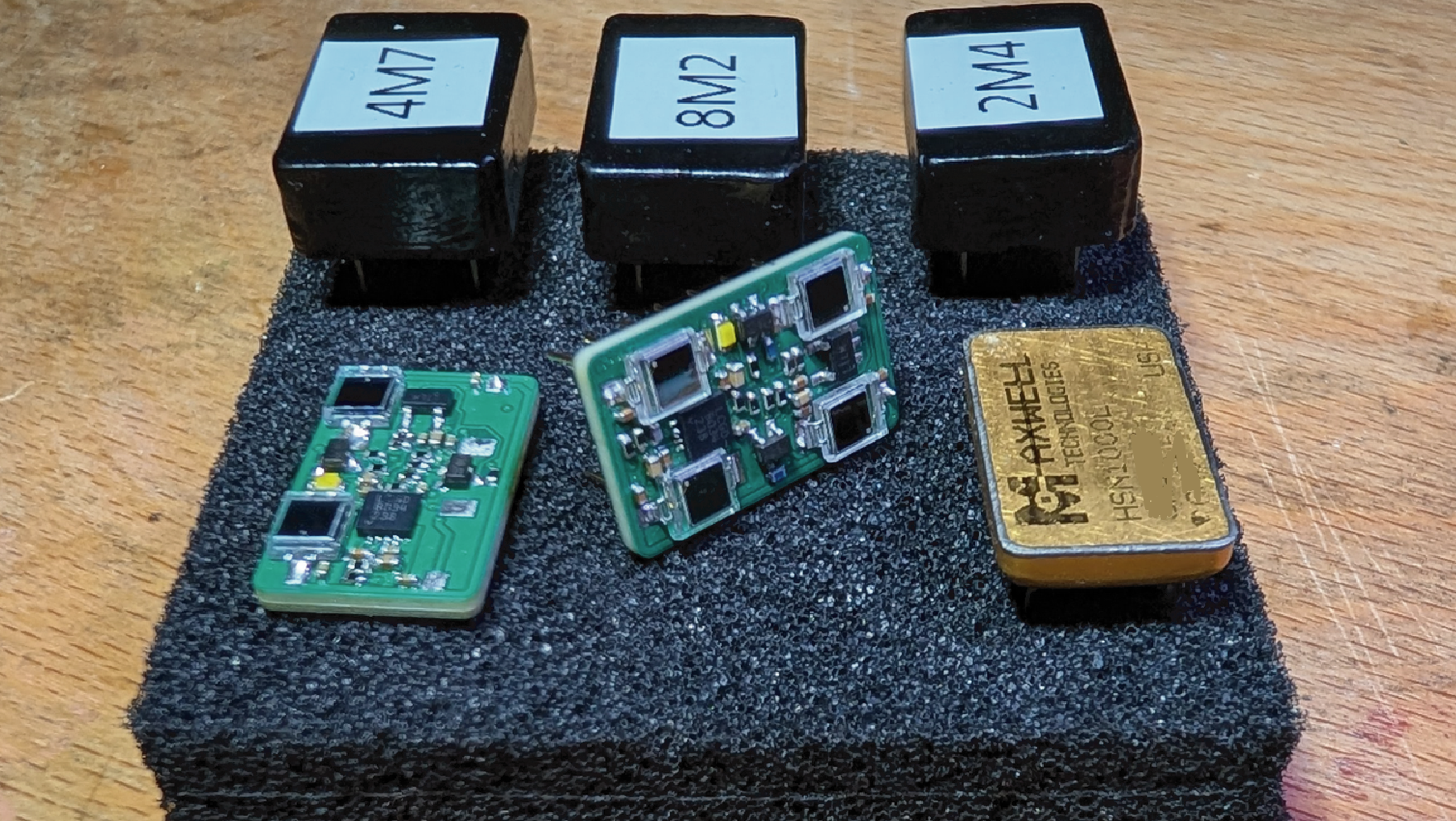
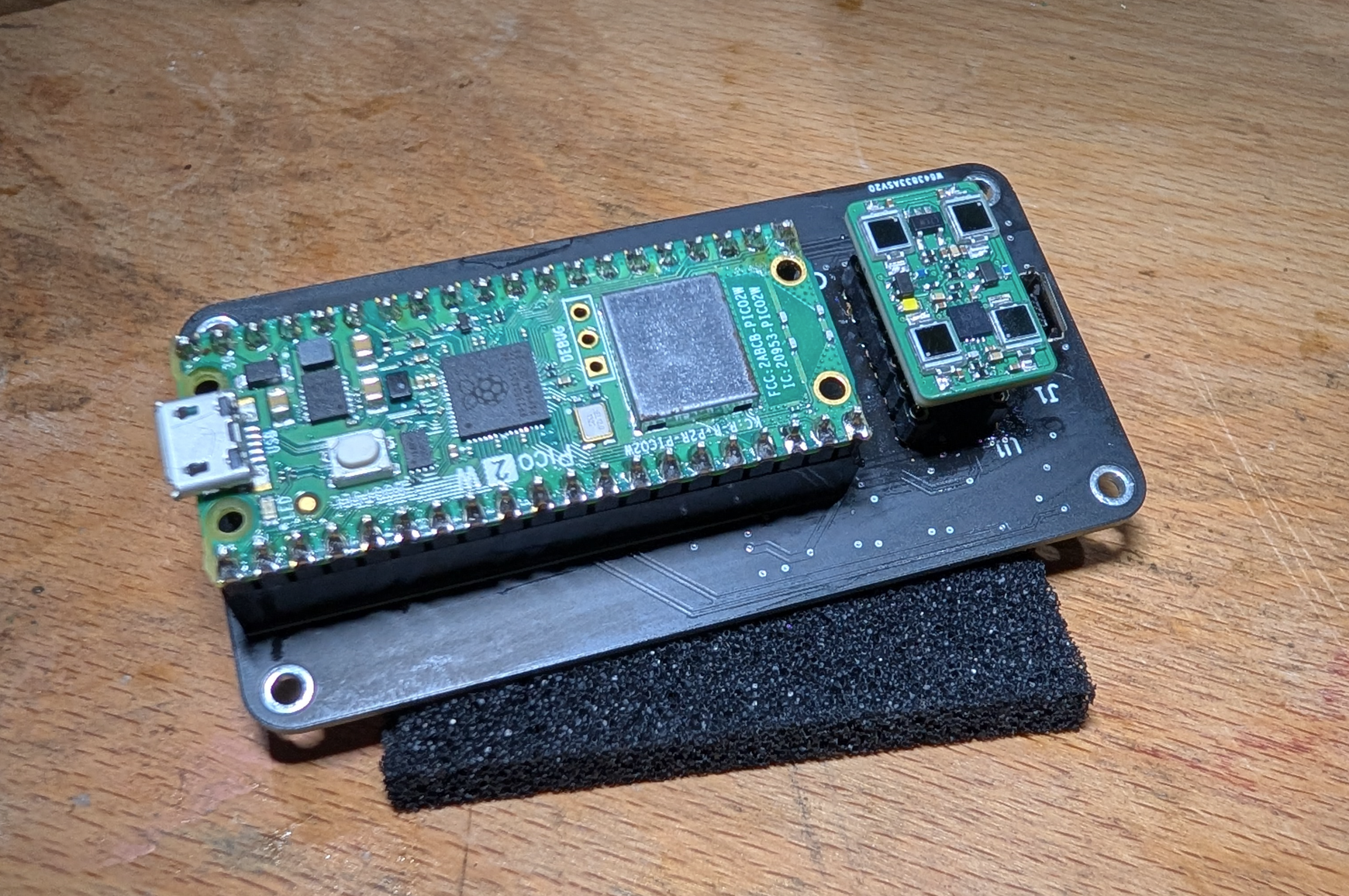
Last year, we brought you a story about the BhangmeterV2, an internet-of-things nuclear war monitor. With a cold-war-era HSN-1000 nuclear event detector at its heart, it had one job: announce to everything else on the network than an EMP was inbound, hopefully with enough time to shut down electronics. We were shocked to find out that the HSN-1000 detector was still available at the time, but that time has now passed. Fortunately [Bigcrimping] has stepped up to replicate the now-unobtainable component at the heart of his build with his BHG-2000 Nuclear Event Detector — but he needs your help to finish the job.
The HSN-1000, as reported previously, worked by listening for the characteristic prompt gamma ray pulse that is the first sign of a nuclear blast. The Vela Satellites that discovered Gamma Ray Bursts were watching for the same thing, though almost certainly not with that specific component. With the HSN-1000 unavailable, [Bigcrimping] decided he might as well make his own gamma ray detector, using four BPW34S PIN diodes coated with black paint. The paint blocks all visible light that might trigger photocurrent inside diode, but not Gamma Rays, while using four acts increases the area and may inadvertently act as a sort of coincident detector. You wouldn’t want your homemade Dead Hand to be triggered by a cosmic ray, would you?
That tiny photocurrent is then amplified by a transimpedance amplifier based on the LTC6244 op-amp, which then goes into a second-stage based on a LT1797 op amp that drives a LOW pulse to indicate an event has occurred. [Bigcrimping] fit all of this onto a four-layer PCB that is a pin-compatible replacement for the HSN-1000L event detector called for in his BhangmeterV2.
There’s only one problem: without exposing this thing to gamma rays, we really don’t know if it will work. [Bigcrimping] is looking for anyone in Europe with a Cs-137 or Co-60 source willing to help out with that. His contact info is on the GitHub page where the entire project is open sourced. Presumably a nuclear detonation would work for calibration, too, but we at Hackaday are taking the bold and perhaps controversial editorial stance that nuclear explosions are best avoided. If the Bhangmeter– which we wrote up here, if you missed it–or some equivalent does warn you of a blast, do you know where to duck and cover?