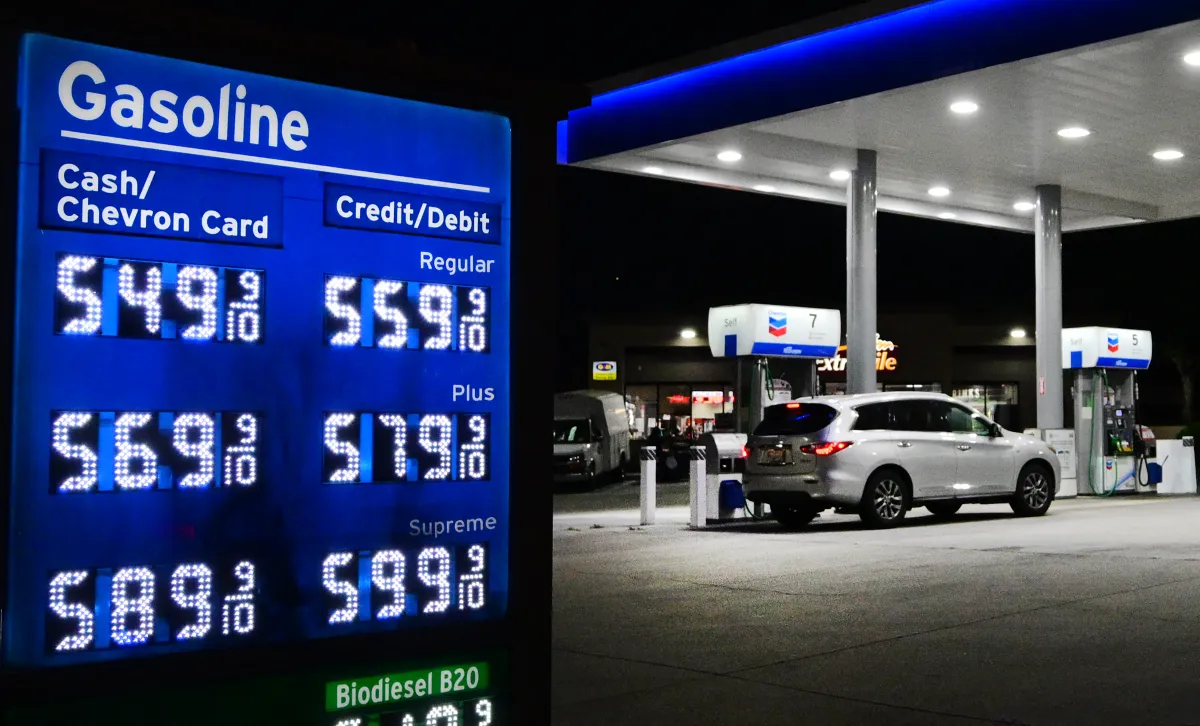
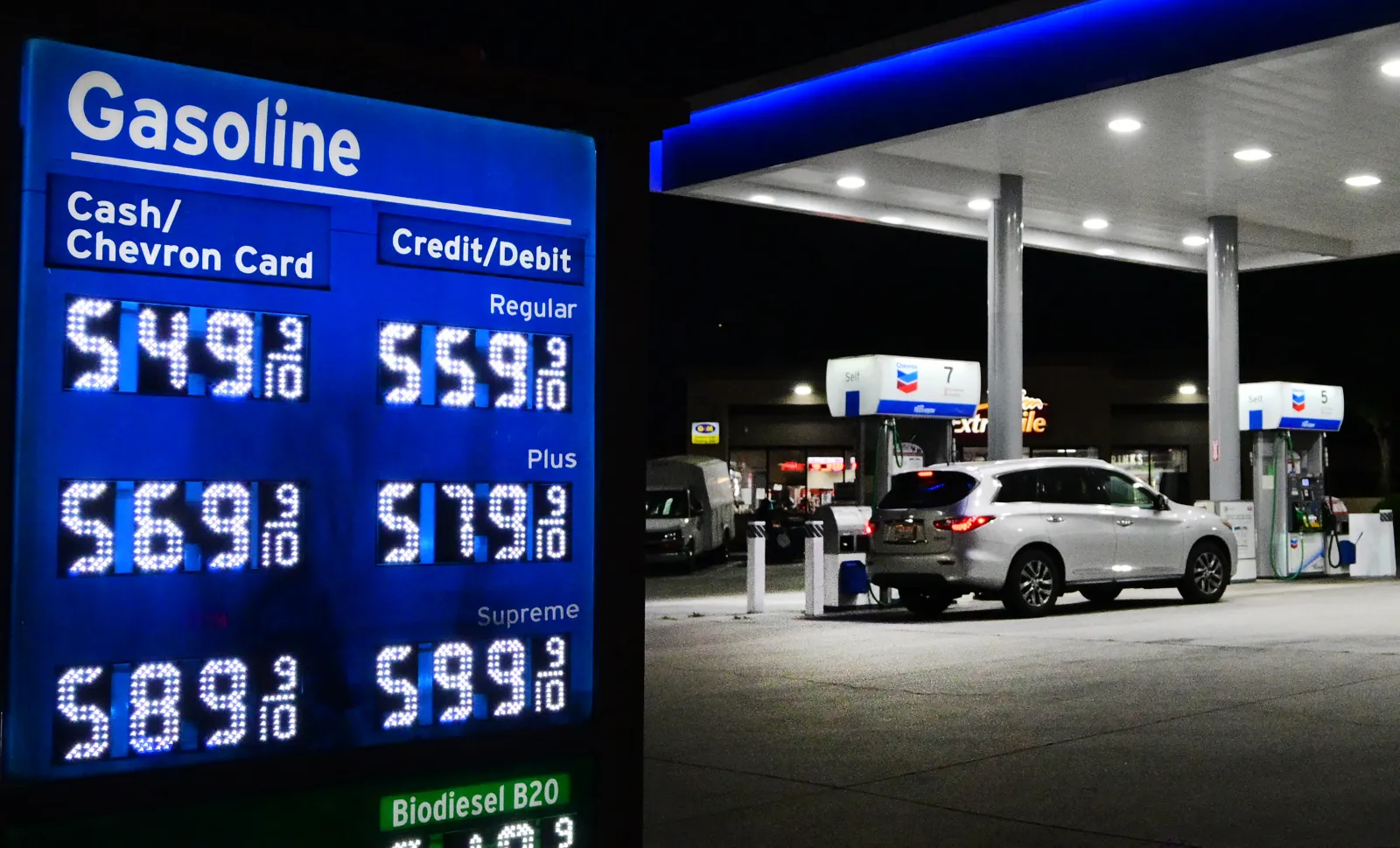
When Russia invaded Ukraine on February 24, 2022, gas prices began climbing. By June, the U.S. average hit $5.01 per gallon, an all-time record. It was an economic shock that would dog President Joe Biden‘s approval ratings for months.
Four years later, a similar shock arrived. When the Trump administration launched strikes on Iran on February 28, oil prices spiked again. Within two weeks, gas had jumped 21 percent. By mid-March, prices have climbed to $3.60 per gallon and are continuing to rise.
The economic disruption was strikingly similar. In 2022, Brent crude hit $139 per barrel and WTI hit $133, levels not seen since 2008. In 2026, Brent briefly exceeded $120 per barrel. In 2022, prices stayed elevated for about six months before declining. In 2026, Goldman Sachs warned that prices could spike to $150-$200 if the Strait of Hormuz remained blocked. Both crises disrupted global oil supplies and sent American families scrambling at the pump.
The crises were economically comparable. The political responses were starkly different.
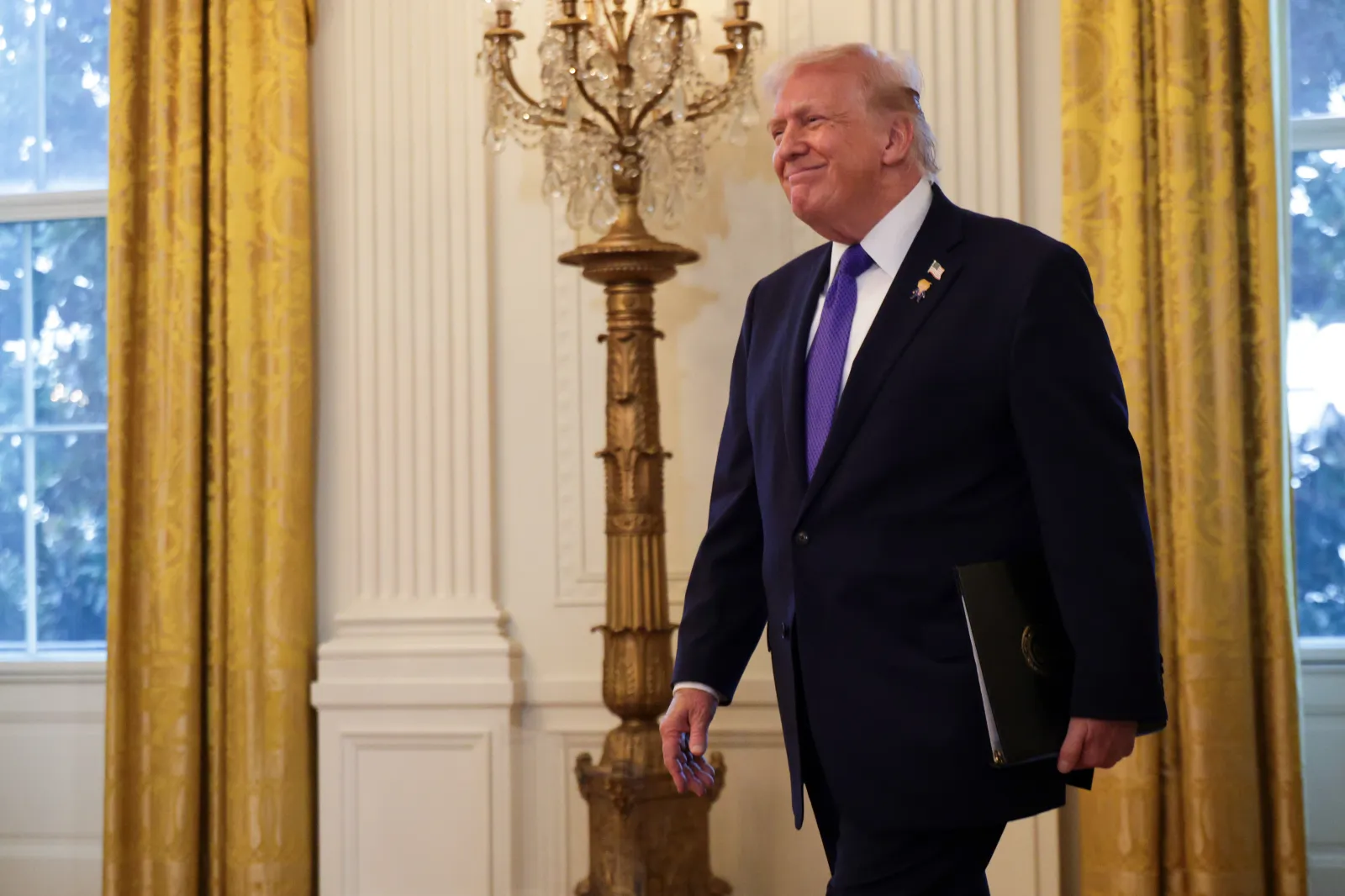
President Donald Trump’s approach to the current oil spike has been emphasizing that higher prices benefit American oil producers.
“The United States is the largest Oil Producer in the World, by far, so when oil prices go up, we make a lot of money,” he posted on Truth Social after the latest spike.
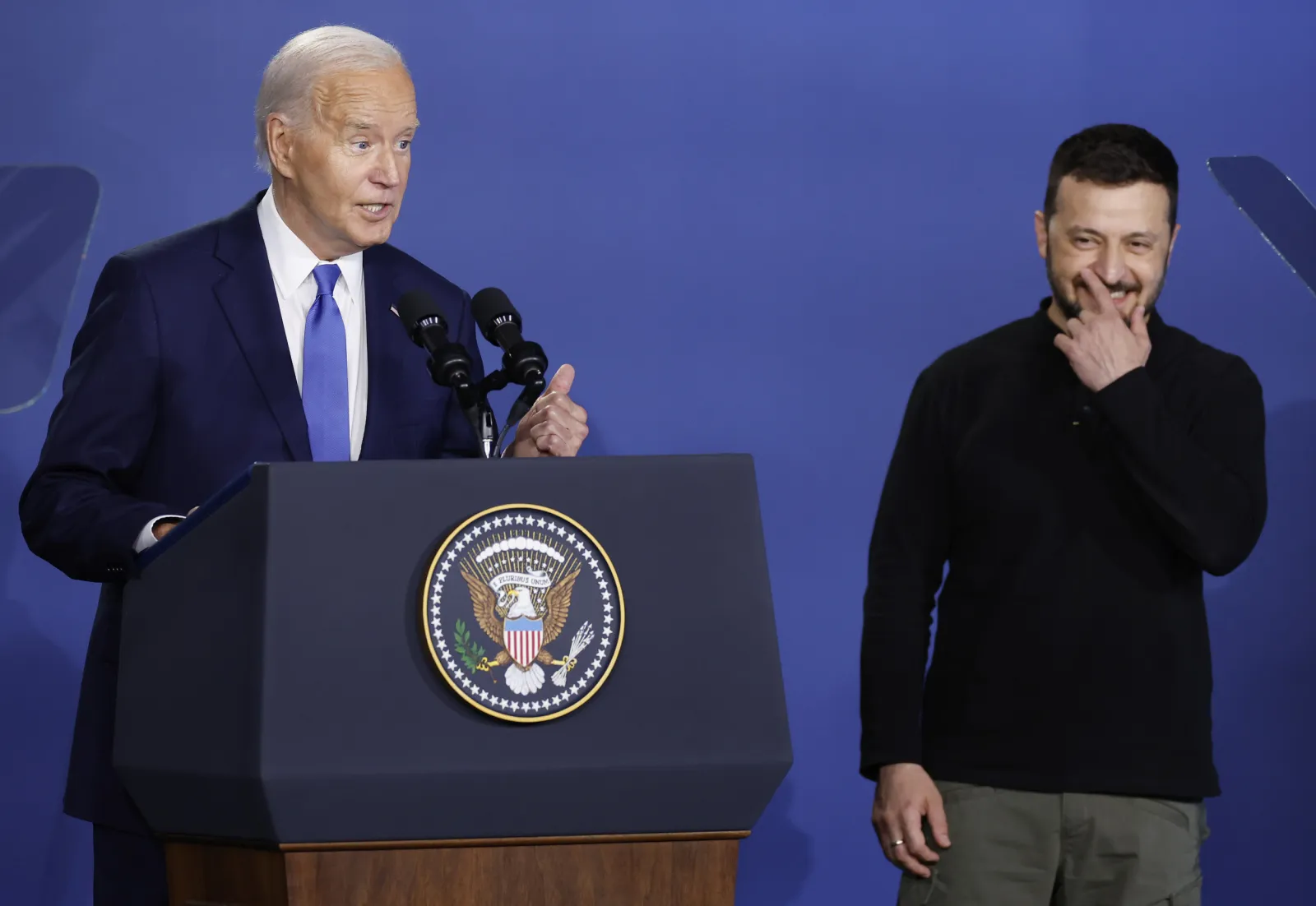
During the Ukraine gas crisis, Biden framed high prices as an unavoidable cost of supporting an ally.
“There will be costs as well here in the United States,” he said on March 8, 2022.
At a NATO summit that June, he told reporters that Americans should be prepared to pay higher prices “as long as it takes, so Russia cannot defeat Ukraine.”
Biden also made oil company profits a central part of his message. When ExxonMobil posted $17.9 billion in quarterly profit and $56 billion for the full year, Biden called it “war profiteering.” He proposed a windfall profits tax on oil companies and pressed refiners to increase supply.
Two wars separated by four years. Two oil shocks that hurt millions of Americans. Two presidents who chose different ways to talk about the pain. Trump told Americans not to worry because the country is making money. Biden asked them to accept sacrifice for democracy and attacked the companies profiting.
Blame Games
The two approaches reflect different philosophies about how each president addressed economic pain caused by foreign policy decisions. Biden emphasized shared burden. Trump has emphasized national interest.
“You have the president of the United States telling the American public they’re fools if they don’t want to pay more at the pump,” said Representative Jake Auchincloss, a Massachusetts Democrat, in an interview when talking about the current spike.
Senate Minority Leader Chuck Schumer, a New York Democrat, characterized the strikes as “Trump’s reckless war of choice.”
Four years earlier, the roles were reversed. Republicans attacked Biden relentlessly over gas prices during the Ukraine crisis. House Minority Leader Kevin McCarthy said Democrats wanted to “blame surging prices on Russia” while ignoring Biden’s energy policies. Senator Ted Cruz of Texas pointed to “I Did That!” stickers appearing on gas pumps. A Fox News poll found 68 percent of voters blamed Biden’s policies for high gas prices. The message was clear: Biden owned the problem.
But the political blame was murkier in 2022 than it is now. The same Fox News poll found 68 percent also blamed Russian President Vladimir Putin for the spike. Voters could reasonably believe both: the war caused it and Biden’s policies made it worse. The causal chain was complicated.
Trump faces no such ambiguity. He ordered the strikes. Iran closed the Strait of Hormuz. Prices spiked. Democrats have a clean narrative. A Reuters/Ipsos poll found that only 29 percent of Americans approve of the Iran strikes. An NBC News survey showed 54 percent disapproved of Trump’s handling of inflation.
Same Tool, Different Playbooks
Both presidents deployed the same tool to manage prices: the Strategic Petroleum Reserve. Biden released 180 million barrels over six months. Trump authorized 172 million and coordinated a 400-million-barrel international release, surpassing Biden’s record.
But the strategies differed in scope and messaging. Biden’s release was paired with other interventions. He proposed a windfall profits tax on oil companies, sent letters to refiners demanding they increase capacity, and called for a federal gas tax holiday. The approach was multi-pronged: release reserves, constrain corporate profits, force industry to produce more.
Trump’s approach has been narrower. His administration has focused primarily on the SPR release and promised quick resolution. Energy Secretary Chris Wright said relief would come in “weeks, not months.” White House Press Secretary Karoline Leavitt predicted prices would “drop rapidly, potentially even lower than they were prior to the start of the operation.”
Trump has not proposed a windfall profits tax or pressed refiners to increase capacity. Instead, he has positioned higher oil prices as beneficial for American energy producers. The implicit message: let the market work, the company wins, the country wins.
The contrast reflects different views on what caused the price spike and who should bear responsibility. Biden’s windfall tax assumed oil companies were exploiting the crisis. Trump’s approach assumes the market is functioning correctly and companies deserve their profits.
During the 2022 crisis, even some Democrats questioned whether Biden’s proposals would work. Representative Jill Tokuda of Hawaii argued that restricting oil company profits without addressing underlying supply issues missed the point.
“If we want people to make better choices, then support increasing the supply,” she said at the time.
Now, four years later, Trump faces the inverse criticism. Democrats argue that simply releasing reserves while celebrating higher prices ignores the real pain at the pump.
Said Schumer: “You can’t brag about profits and expect families to feel better about paying $4 a gallon.”
In a polarized era, the center is dismissed as bland. At Newsweek, ours is different: The Courageous Center—it’s not “both sides,” it’s sharp, challenging and alive with ideas. We follow facts, not factions. If that sounds like the kind of journalism you want to see thrive, we need you.
When you become a Newsweek Member, you support a mission to keep the center strong and vibrant. Members enjoy: Ad-free browsing, exclusive content and editor conversations. Help keep the center courageous. Join today.