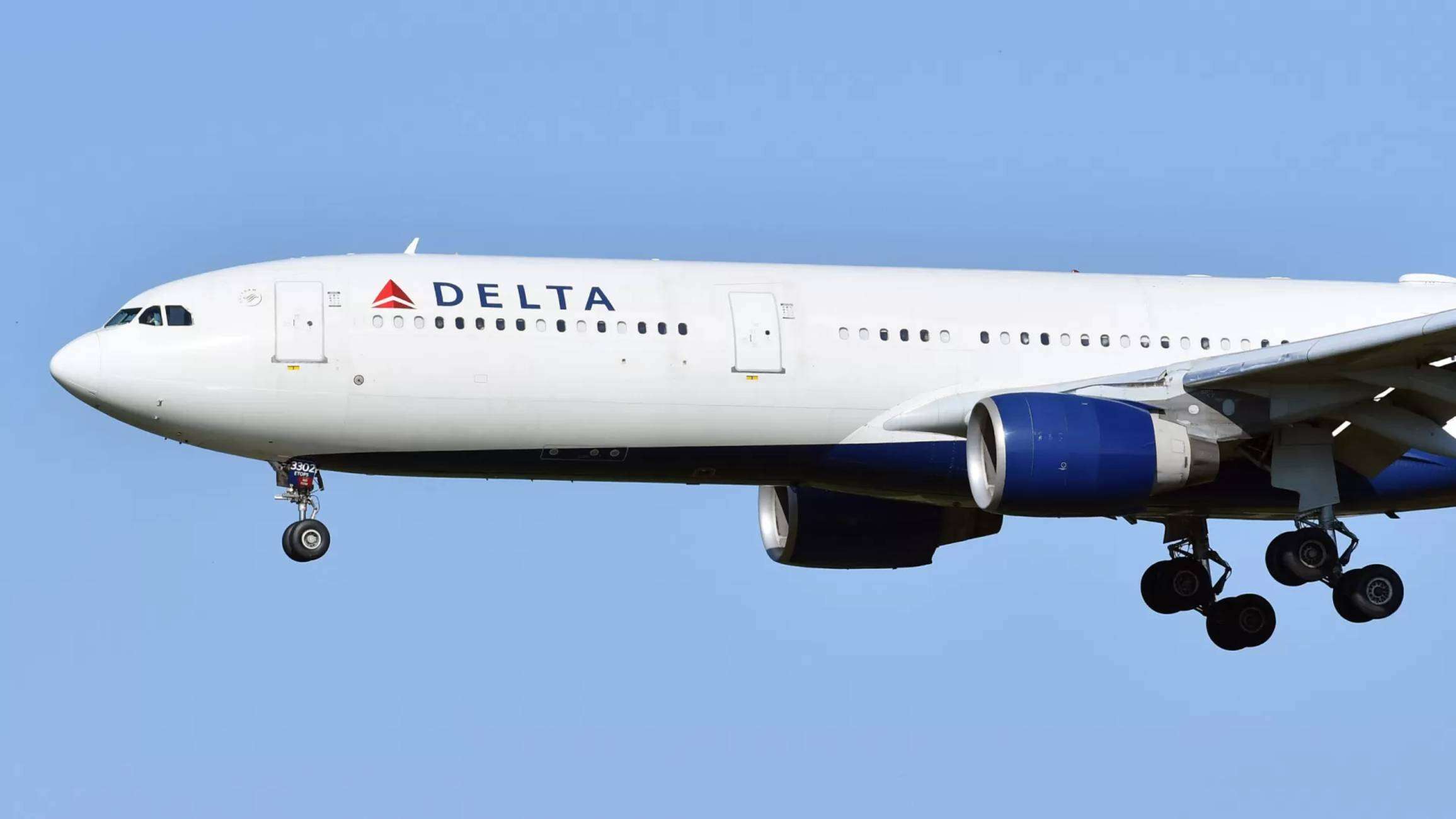
Sky-high prices. Fuel costs will add $400 million to Delta’s costs for the month of March alone, the airline’s chief executive Ed Bastian said yesterday. And those costs will be passed on to consumers in the form of higher ticket prices. Consumers will probably keep jetting around. But it’s going to be more expensive to fly.
The Reason Roundup Newsletter by Liz Wolfe Liz and Reason help you make sense of the day’s news every morning.
This is a direct consequence of the war in Iran. Because of the war, the Strait of Hormuz, a critical shipping lane for the global oil trade, has been all but shut down. President Donald Trump has tried to recruit allies to help reopen the Strait, but they haven’t been receptive to his requests. So now the war will go on, and the cost of traveling by air will increase.
Even setting aside debates about the merits of the war, there’s a lesson here for both sides of the aisle.
On the right, Trump-friendly national conservatives—NatCons, in Beltway lingo—have pushed tariffs as a way to boost American economic fortunes, arguing that they benefit American workers by protecting them from foreign competition. And Trump, of course, has spent the last year imposing a vast and complicated array of global tariffs, with his advisers promising they’ll bring in much more revenue than they actually have.
On the left, environmentalists have long argued that energy, particularly gasoline, is too cheap, and that policymakers should intentionally raise the cost of fossil fuel–based energy by taxing it, while taking regulatory measures to restrict supply. Energy prices are much higher in Europe and Democrat-dominated blue states because of this mindset and related policies.
The (near) closure of the Strait of Hormuz is not a tariff. But fundamentally, it’s a barrier to global trade. And because it’s such a key pathway for moving oil around the globe, shutting it down reduces the supply of oil—and thus increases the cost of energy.
This is what happens when trade is shut down. It’s what happens when the supply of oil is restricted: Prices go up. And thus it becomes more expensive to fly, grow food, or run a business. Indeed, it becomes more expensive to do almost everything. Trade barriers and energy restrictions are ultimately felt as economic burdens on consumers. And those burdens hit poor and middle-class Americans hardest. It’s folly either way.
Will Skynet fuel the entitlement state? Earlier this year, San Francisco–based writer Jasmine Sun visited Washington, D.C., to observe how AI was interacting with national politics. She looked at data centers popping up in northern Virginia and talked with various people in the world of policymaking. After her trip, she wrote a fascinating piece that concluded: “We aren’t ready for how much people hate AI.”
We in this case was San Francisco’s tech community, which has very much embraced artificial intelligence as the tech world’s next big thing. But not everyone is on board. It’s becoming increasingly clear that much of the public is quite opposed to, or at least worried about, artificial intelligence.
Recent polling from Democratic pollster David Shor finds that large numbers of respondents support publicly funded jobs and health care benefits to offset potential AI-related job loss.
To some extent, this isn’t terribly surprising. Government-backed health programs and regulations governing hiring and firing that are pitched as employment protections tend to poll well. But it does suggest that as artificial intelligence advances, it’s going to take on increasing political salience. And those of us who are excited about AI, but who don’t want to see it become an excuse for implementing massive government benefit programs, are going to have to make our case.
Scenes from Washington, D.C.: Posters like this, glibly mocking various members of the Trump administration, often with the expectation that you’re enough of a news-and-politics junky to recognize top White House officials, are all over the city, particularly at food-and-drink hotspots like Union Market. Given the city’s overwhelmingly Democratic voter base—this is not a Trump-friendly city, to put it mildly—I don’t really understand who these signs are for or what they’re supposed to accomplish.
QUICK HITS
- A new study finds that people who consume nine or more servings of so-called “ultraprocessed” foods every day have a significantly elevated risk of heart attack. The entire concept of “ultraprocessed” foods is somewhat confused, and mostly this study seems to show that it’s a bad idea to consume a lot of added sugar. In any case, I’m going to take this as evidence that it’s perfectly fine to eat eight donuts per day.
- One reason why every reporter in Washington suddenly seems to have an exclusive with the president is that it’s shockingly easy to get Trump’s personal cellphone number.
- Israel says it killed Iran’s security chief, a key figure in the war. The goal seems to be regime change.
- This year’s Turing Award went to Charles Bennett and Gilles Brassard, who pioneered quantum cryptography in the 1980s.
- Wyoming is stockpiling gold to guard against economic turbulence.
- “Roughly 90 percent of politically relevant social science articles leaned left 1960–2024, and the mean political stance of every social science discipline was left-of-center every year during the period.” A truly fascinating large-scale study of the political lean of social science papers since 1960.
- Scientists are teaching AI to smell.
- Board game players have a 15 percent lower risk of dementia. Unfortunately, I’m going to miss the next D&D game at the office.
- The first Dune 3 trailer is out. The movie comes out in December. I am pretty excited about this! (Because I am an extremely normal person, I saw the second one four times in theaters, including a group showing with the Reason gang.)
- Come work at Reason!