NEWYou can now listen to Fox News articles!
A former Syrian prison official was convicted by a U.S. federal jury in Los Angeles Monday on torture and immigration fraud charges after prosecutors said he oversaw and at times personally carried out brutal abuses against detainees under the now-ousted regime of former Syrian President Bashar al-Assad.
Samir Ousman Alsheikh, a former brigadier general who once headed Damascus Central Prison, also known as Adra Prison, was found guilty following a nine-day trial of conspiracy to commit torture, immigration-related fraud offenses, and three counts of torture, according to the Justice Department.
The case marks a historic step toward accountability, with Alsheikh becoming the first Assad-era official to be tried and convicted in a U.S. federal court.
Prosecutors said the 73-year-old ordered and oversaw the torture of political prisoners between 2005 and 2008, including beatings, suspension from ceilings and the use of devices such as the so-called “Magic Carpet,” which folded victims’ bodies to inflict extreme pain.
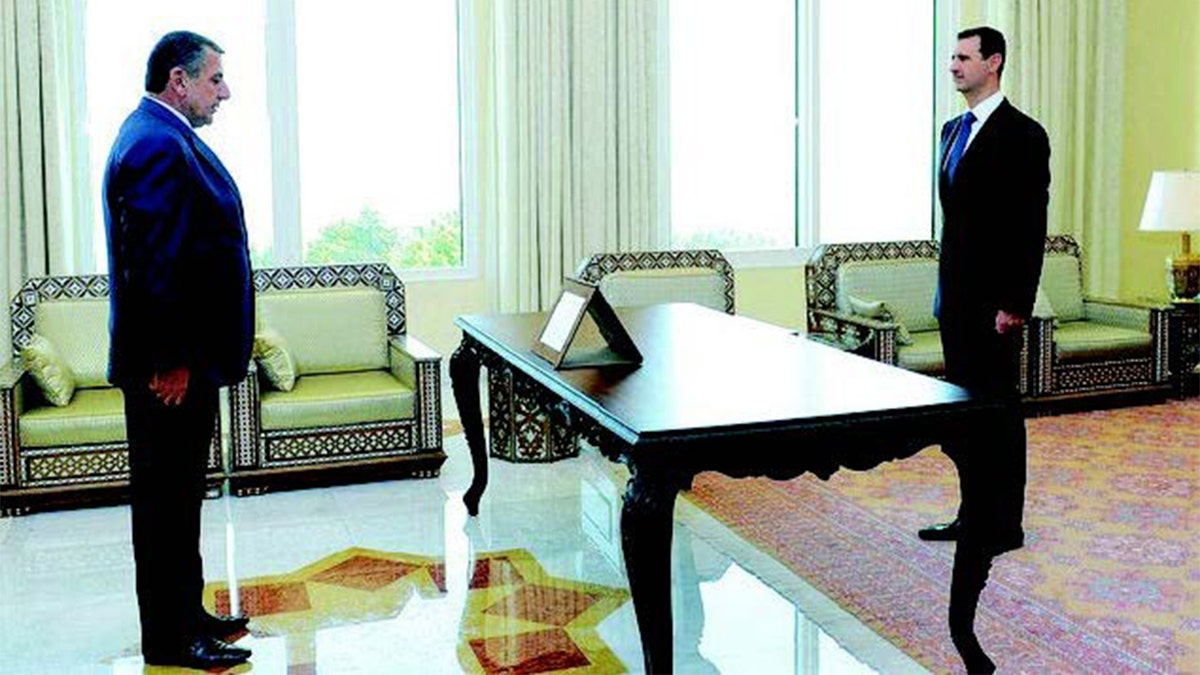
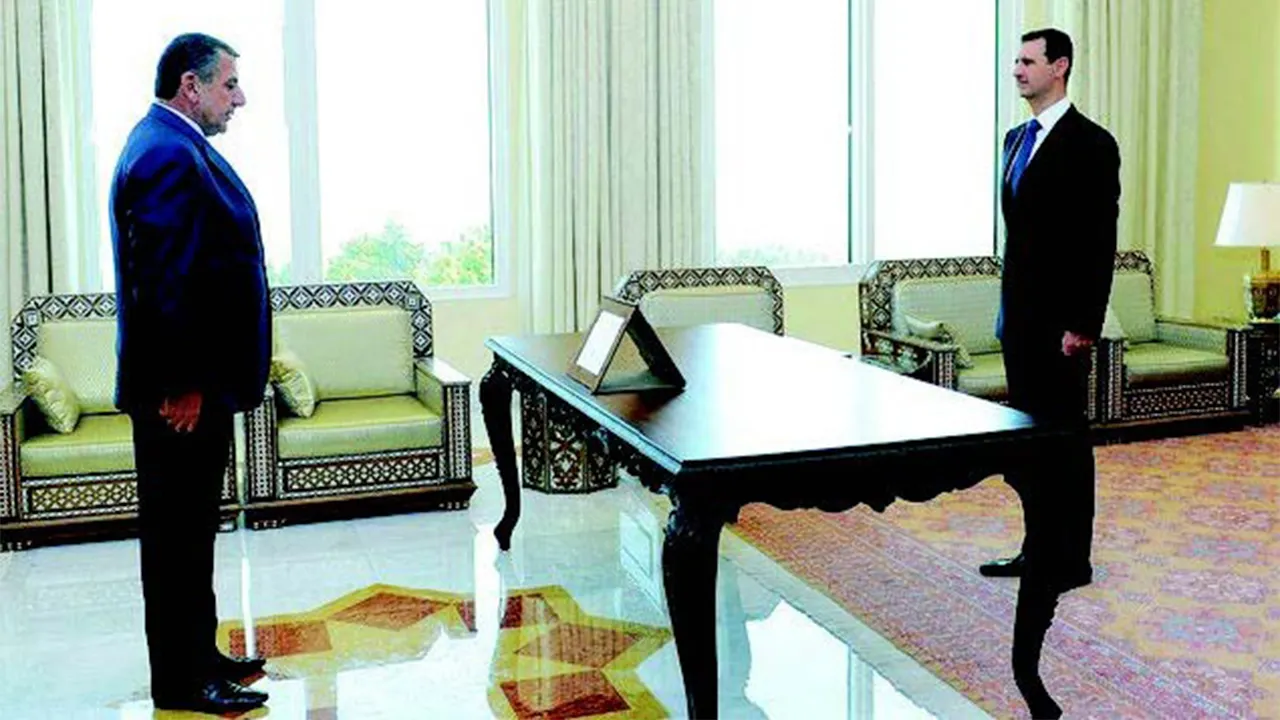
A handout photo shows former Syrian President Bashar al-Assad (R) and Samir Ousman Alsheikh (L) on or about July 25, 2011, when Assad appointed Alsheikh as governor of Deir ez-Zor. (U.S. Department of Justice)
He entered the United States in 2020 after lying about his past on his visa application and later attempted to become a U.S. citizen, authorities said.
Alsheikh, who was arrested at Los Angeles International Airport in 2024 as he attempted to board a one-way flight to Beirut, faces up to 20 years in prison for each torture-related count when he is sentenced at a later date.
“Samir Ousman Alsheikh ordered, directed, and directly participated in heinous acts of torture designed to inflict excruciating mental and physical pain with the goal of punishing and silencing political dissent,” said Tysen Duva, assistant attorney general for the Justice Department’s criminal division in a statement.
“For many years, he evaded responsibility for his crimes in Syria, including by lying to U.S. immigration authorities in order to reside in the U.S. with the hope of obtaining citizenship. Thanks to the courage and perseverance of the victims and the dedication of Department of Justice prosecutors, along with their law enforcement partners, justice has prevailed and Alsheikh can no longer run from his past.”
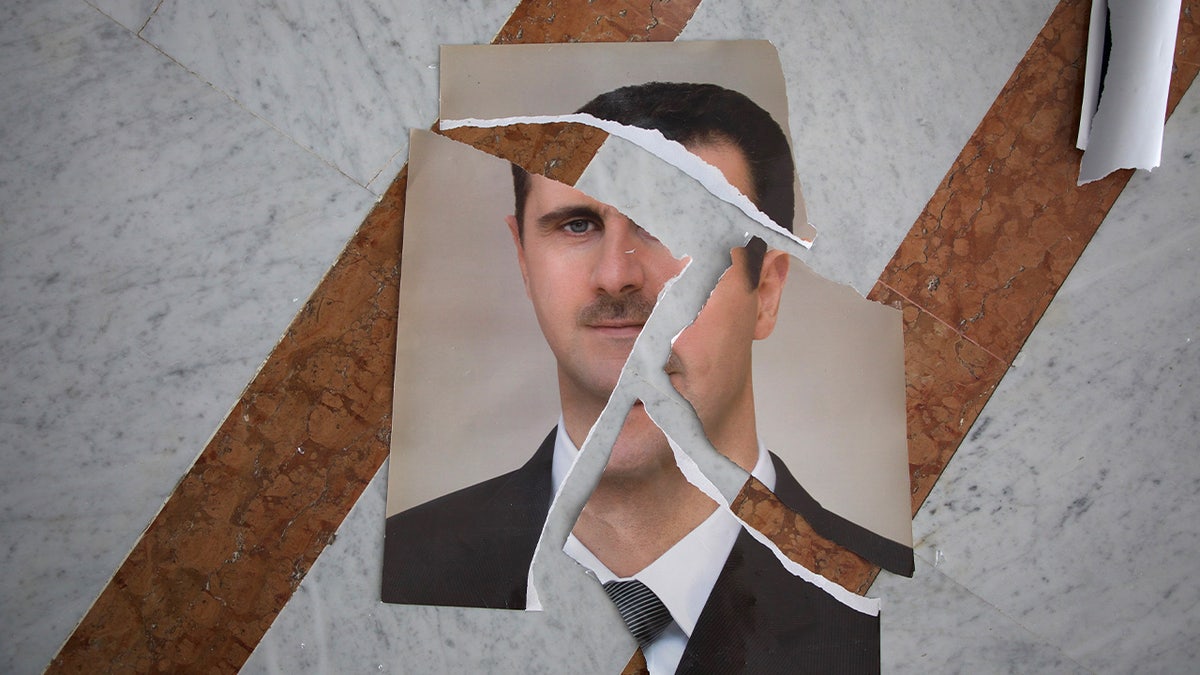
A torn portrait of Bashir al-Assad is seen inside the Presidential Palace on Dec. 10, 2024 in Damascus, Syria. (Ali Haj Suleiman/Getty Images)
According to a federal criminal complaint filed in July 2024, Alsheikh was an associate of Maher al-Assad, the younger brother of Bashar al-Assad, who led the Syrian military’s elite Fourth Division.
He was appointed by Assad in 2011 as governor of Deir ez-Zor following anti-government protests that spread across the country during the Arab Spring.
The Syrian Emergency Task Force (SETF), a Washington-based advocacy group, assisted investigators in bringing the former regime official to justice. The organization first identified Alsheikh in Los Angeles through a tip and conducted its own verification using open-source material and leaked Syrian government data.
It then alerted U.S. authorities and worked with the FBI and Justice Department to help build the case, including connecting investigators with key witnesses who testified about abuses at Adra Prison. According to SETF, it pushed for torture charges rather than solely immigration violations to ensure broader accountability.
WHATEVER HAPPENED TO…SYRIA’S CIVIL WAR?
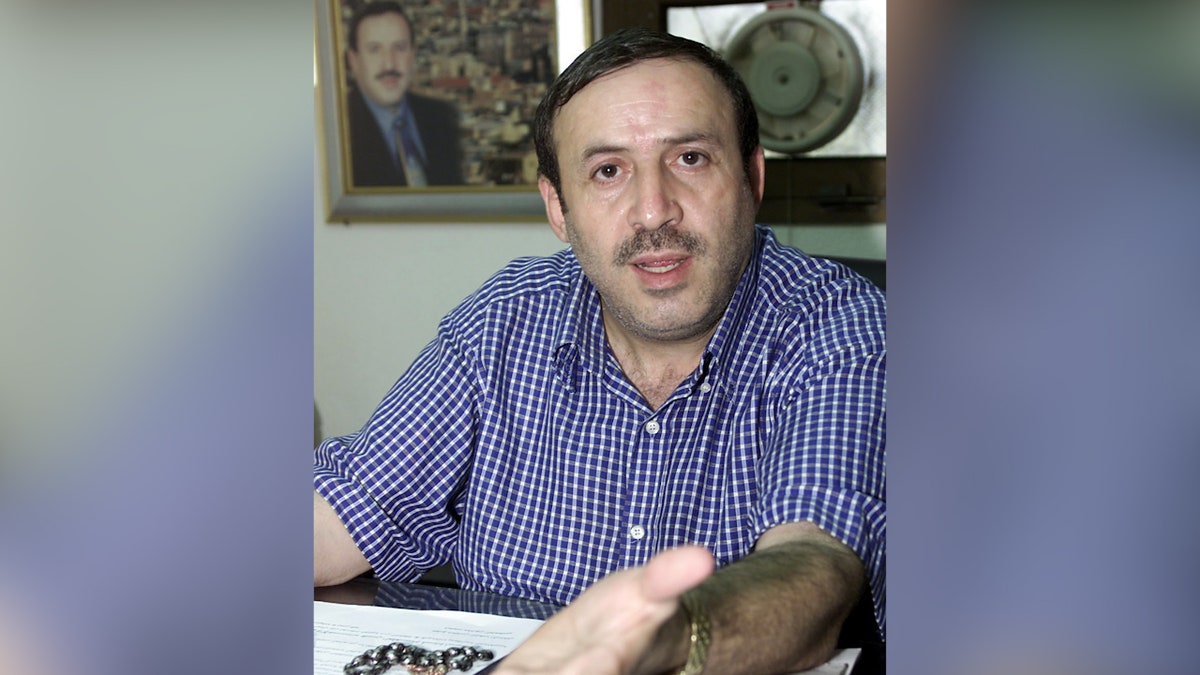
Syrian lawmaker and opposition activist Mamoun al-Homsi is pictured at his office in Damascus on Aug. 7, 2001. (Khaled Al-Hariri/Reuters)
Mamoun al-Homsi, a former independent member of the Syrian Parliament, was arrested in 2001 for demanding democratic reforms and spent five years in Adra Prison. He told Fox News Digital in an interview, through a translator, that Alsheikh stood out from other prison directors for his brutality.
Al-Homsi said that while previous prison heads largely adhered to prison rules and did not target detainees for their political views, Alsheikh’s arrival in 2005 marked a shift.
“The toughest torture for me wasn’t anything done to me physically as much as it was what was done to others on my behalf,” said al-Homsi.
SETF executive director Mouaz Moustafa, who attended the trial, told Fox News Digital that testimony revealed Alsheikh allegedly ordered another prisoner, Khaled Abdul Malek, to poison al-Homsi.
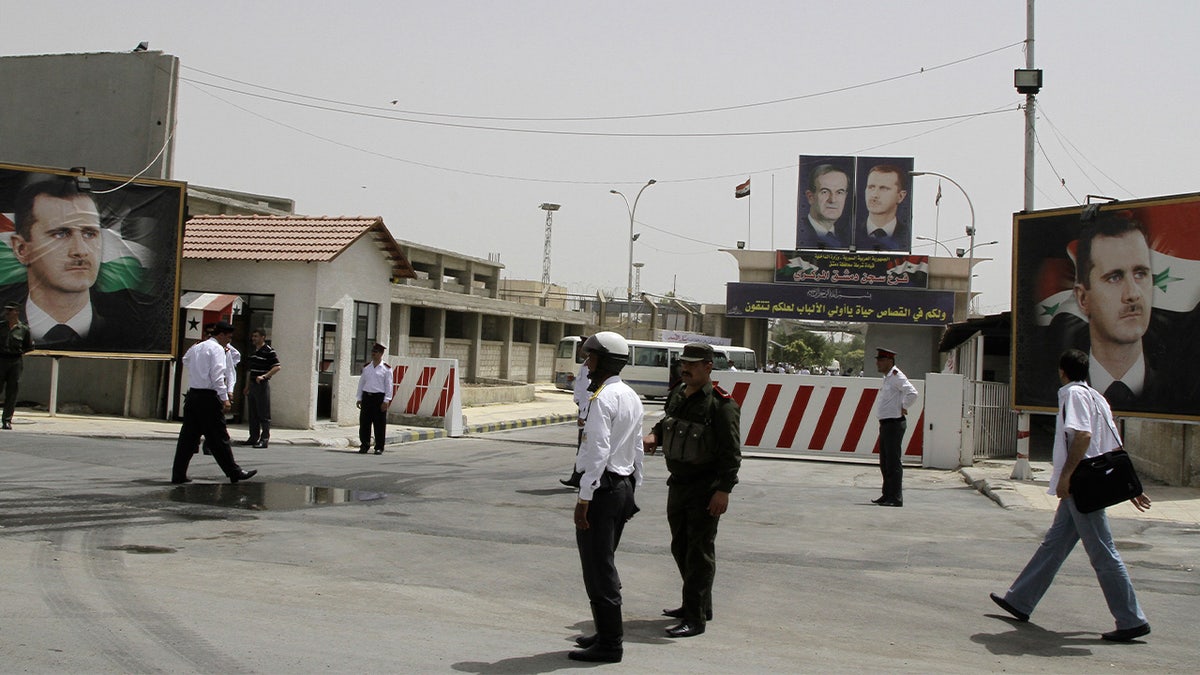
Police stand at the gate of Damascus Central Prison in the Adra area near the Syrian capital Damascus on May 28, 2010. (Khaled al-Hariri/Reuters)
“Khaled Abdul Malek had come so close to Mamoun al-Homsi so he told him about this plan and told him don’t eat anything from anyone to the point where Mamoun al-Homsi would go to the trash if there was any and wash whatever is left,” Moustafa said.
Malek refused Alsheikh’s demand to poison the prominent political figure, leading to him being placed in Wing 13, a notorious part of the prison where people were tortured.
“Khaled Malik then had his back broken,” Moustafa said, adding that he arrived in court with a cane and could barely walk.
Al-Homsi said he survived on olive pits and lost more than 60 pounds. He was released in 2006 and later fled to Canada.
WHY SYRIA PLAYS A KEY ROLE IN TRUMP’S PLANS FOR MIDDLE EAST PEACE
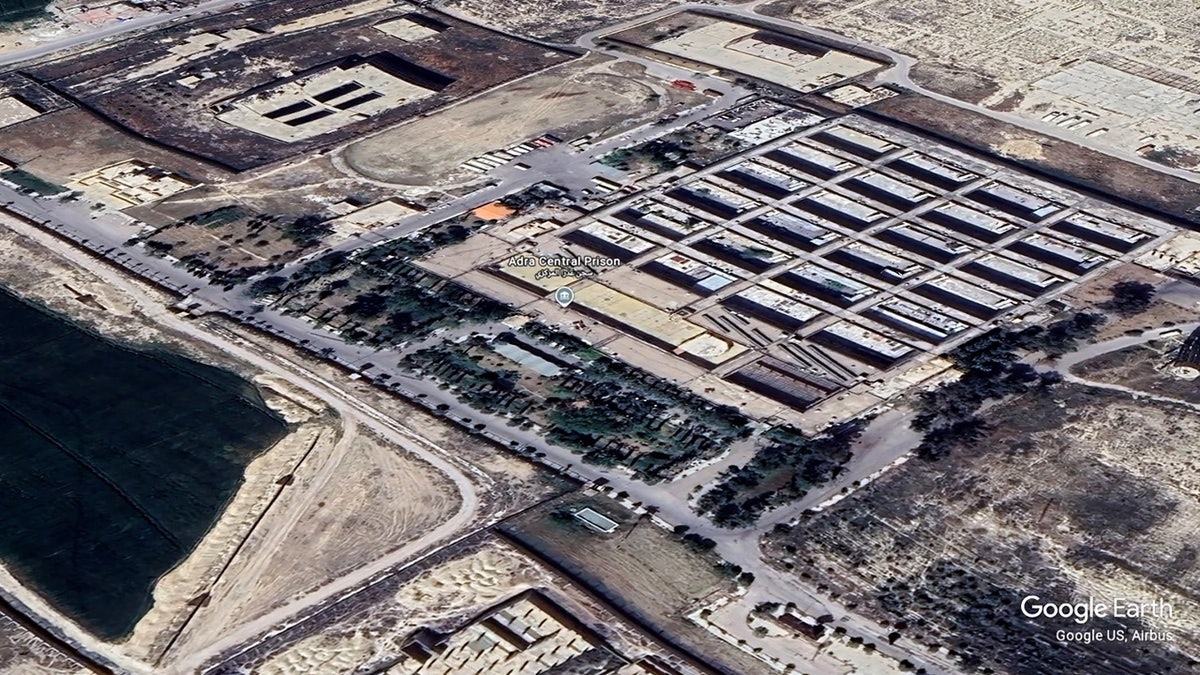
An aerial view of Adra Prison, located on the outskirts of Damascus, Syria. (Google Earth/Fox News Digital Ashley Carnahan)
CLICK HERE TO DOWNLOAD THE FOX NEWS APP
The former parliament member told Fox News Digital the verdict sends a message that former regime officials cannot evade accountability, even if they leave Syria and attempt to rebuild their lives abroad.
Al-Homsi called the verdict a signal that justice, though long delayed, is finally taking hold — an outcome he described as essential for the future of a free Syria.