The UK is to double tariffs on Chinese and other foreign steel in a bid to save its remaining plants from collapse.
The new “steel safeguards” came weeks after bosses at Tata Steel in south Wales warned the government they had just two months to be saved.
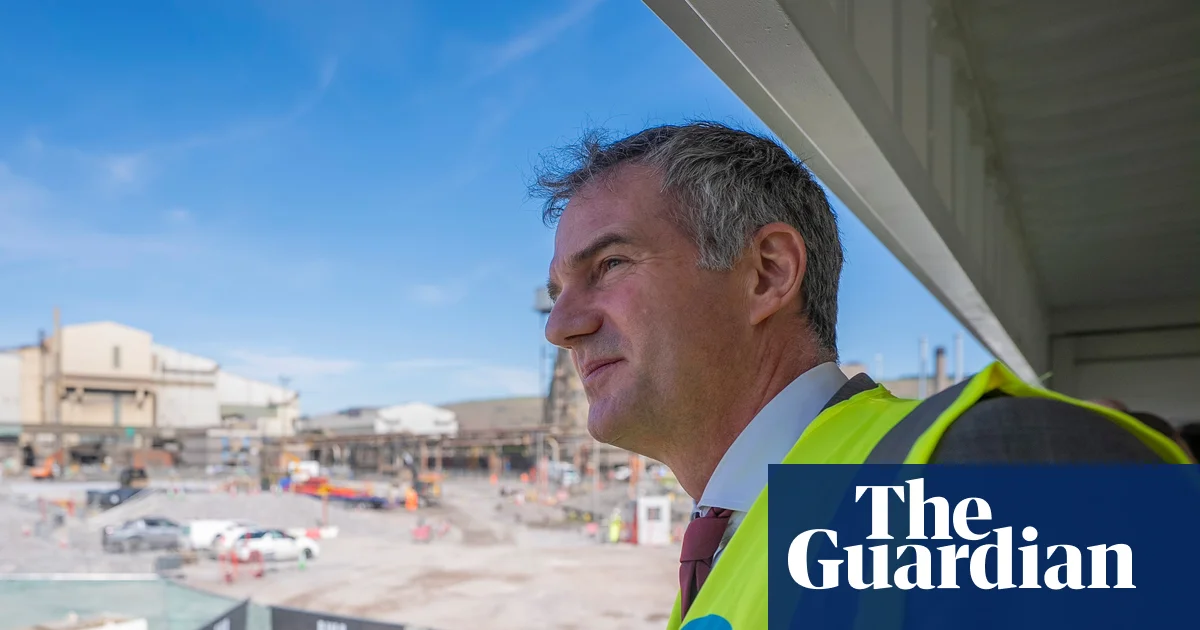
A target of 50% of steel used in the UK will be made domestically, and 50% of that is to be made in Wales, the business secretary, Peter Kyle, said during a visit to Tata Steel in Port Talbot.
The new £2.5bn strategy aims to increase domestic production by 30%. From July, quotas on imports of many overseas steel products will be slashed by 60%, and duties outside those quotas will be raised to 50%.
“This is a very strident set of protections for British [steel] production to equal out the unfair competitive behaviour elsewhere that doesn’t create a level playing field for British steel,” said Kyle. The new strategy would “align with investment for the transition to green steel, but also investments in other areas that make sure our domestic production matches the best in the world,” he added.
The measures bring the UK in line with recent moves by the US, EU and Canada in response to a surfeit of steel from China, which is by far the world’s largest producer. Chinese steel exports hit an all-time high in December.
The current steel safeguards date back to a time before the UK left the EU and expire on 1 July. The EU has also proposed doubling its tariffs to 50% and halving the quota with third countries in Europe, including the UK.
The EU and UK are expected to seek carve-outs with each other featuring lower tariffs as they unite in the fight against cheaper Chinese steel.
The latest steel strategy is an attempt to protect what remains of the UK’s steel industry after decades of contraction. The last Port Talbot blast furnace closed in 2024, after Tata was given a £500m rescue package to transition to electric arc furnaces, at a loss of 2,800 jobs. Work has begun on the new, greener furnaces, which melt scrap metal; they are expected to go online in 2028.
Donald Trump imposed global steel tariffs of 25% during his first term, and doubled them to 50% last June for the EU, Canada and others, but not the UK, leading to a wave of protectionism as producers scrambled to find new buyers.
Energy prices and other worries for the sector remain, said Alasdair McDiarmid, the assistant general secretary of the trade union Community, but talks on Wednesday in Port Talbot with ministers and executives from Indian-owned Tata Steel had been “positive and productive”.
“We have sat across from business secretaries for years who promise things and don’t deliver, but this government is following through … At Port Talbot we can see progress,” he said.
The first minister of Wales, Eluned Morgan, called the new steel strategy “good news for our steel communities and the thousands of people across Wales who work in or around the industry, now and in the future”.
This week’s announcements come after a National Audit Office (NAO) report which estimated the taxpayer bill for saving British Steel’s Scunthorpe plant could exceed £1.5bn by 2028, raising questions about how long the government will prop it up.
Ministers took the north-east England steelworks into public control in April last year, after Chinese owner Jingye threatened to shut down blast furnaces at the loss-making site. Scunthorpe is the last plant making virgin steel in the UK.
Kyle declined to talk about the NAO report, saying only that the government was discussing the issue. The blast furnaces there “would continue until the companies themselves decide to transition”, he added.