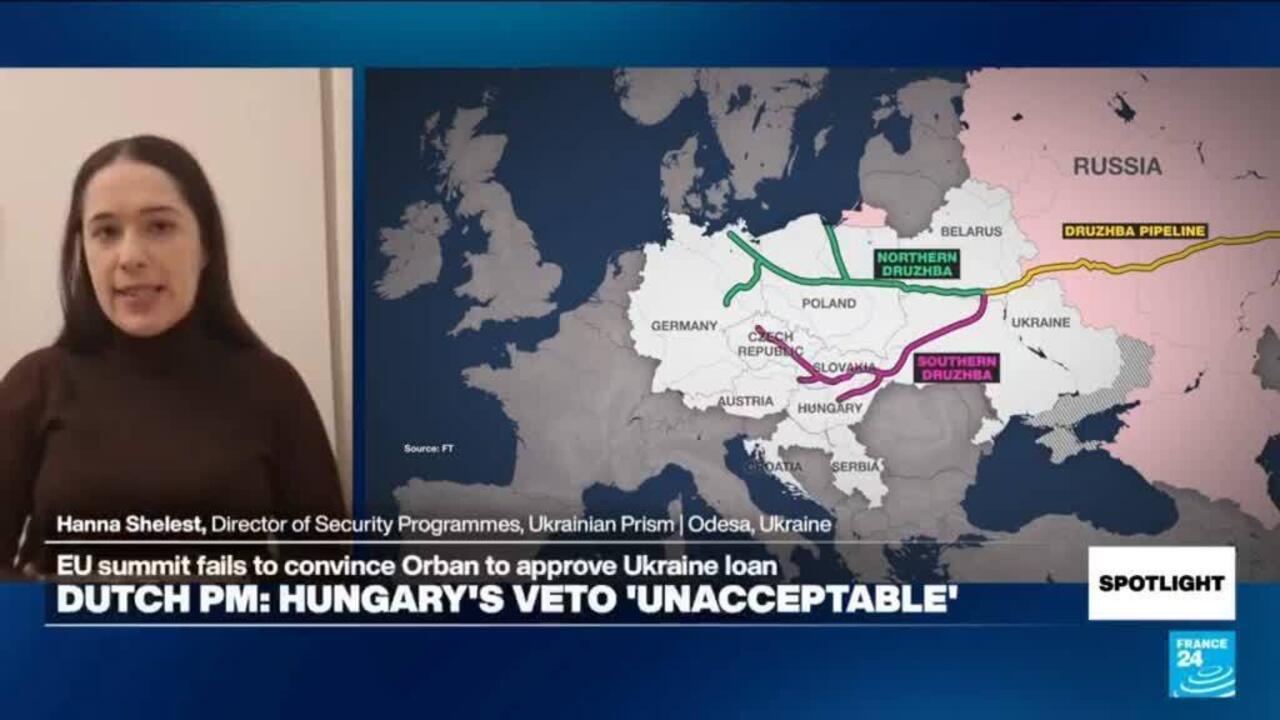
Mark Owen is pleased to welcome Dr. Hanna Shelest, Director of Security Studies and Global Outreach Programmes at the Foreign Policy Council ‘Ukrainian Prism’ and Editor-in-chief at UA: Ukraine Analytica. According to Dr. Hanna Shelest, Ukrainian forces demonstrate that with adaptive strategy, technological innovation, and timely support, it is possible not only to resist but to go on the offensive. Yet this capacity is inseparable from sustained international backing, both military and financial.
What emerges, then, is a dual reality: Ukraine‘s resilience and vulnerability coexisting. Progress is possible, but not inevitable. The determining factor lies in whether partners recognize that delays or divisions are not neutral: they directly alter the balance on the ground and the conditions for Ukraine’s survival and future.
Hungary‘s obstruction of critical financial support reflects, not a technical dispute, but a convergence of domestic political strategy, ideological positioning, and external influence. These dynamics intersect with a broader pattern of anti-European narratives and accommodation toward Russian interests, which reshape decision-making at the EU level.
What is often framed externally as political disagreement within the European Union is, from here, a question of continuity, of whether a state under attack can maintain its defences, its infrastructure, and its social fabric.