From presale hoops to rising fees, the modern ticket-buying experience is frustrating fans while a monopoly battle plays out behind the scenes.

March 21 2026, Published 12:00 p.m. ET
Article continues below advertisement
Scoring tickets to a major concert used to mean logging on at the right time. Now, it often feels like navigating a maze — presale codes, credit card requirements, resale markups, and fees that push prices far beyond face value.
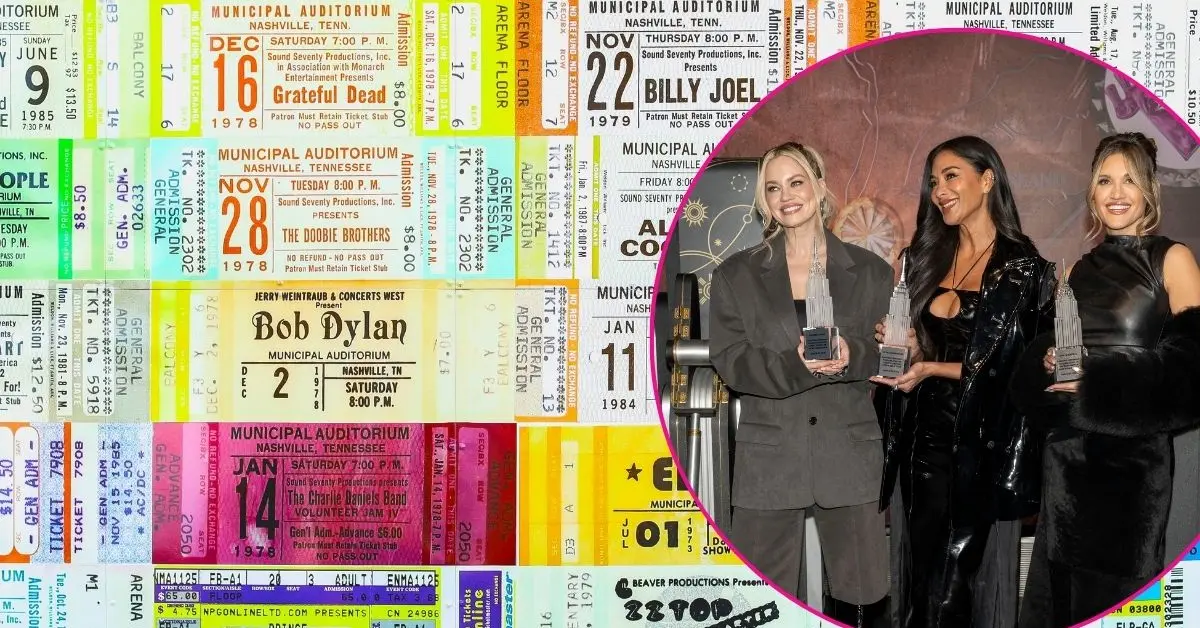
The frenzy around the Pussycat Dolls’ upcoming reunion tour is the latest example. Fans hoping to attend the “PCD Forever Tour,” which spans more than 50 dates across North America and Europe, must navigate multiple presale windows — first through artist sign-ups, then credit card partnerships — before tickets even reach the general public.
For many, the process isn’t just confusing. It’s exhausting.
Article continues below advertisement
The Presale Era and the Rise of Ticketing Anxiety
Presale access forced buyers to compete in crowded digital queues.
Today’s ticket-buying experience is increasingly segmented. Fans must sign up in advance for presale access, hope to receive a code, and then compete in crowded digital queues. If they miss out, resale platforms like StubHub, SeatGeek, and Vivid Seats become the fallback, often at a premium.
Even when tickets are secured, prices can vary widely depending on location and demand. And with limited inventory released during each phase, fans are left scrambling through multiple channels just to attend a single show.
Article continues below advertisement
The Monopoly at the Center of It All
Critics blamed ticketing dominance for rising concert costs.
Behind the scenes, critics argue the system isn’t just complicated, it’s structurally flawed. Lindsay Owens, executive director of the think tank Groundwork Collaborative, points to the dominance of Live Nation and Ticketmaster as a core issue.
“Tickets have become harder and more expensive for fans to get their hands on because of the Live Nation-Ticketmaster monopoly,” Owens says. “Americans are sick and tired of being ripped off and having to jump through hoops to enjoy a night out.”
That frustration has become a central issue in an ongoing legal battle. The Department of Justice and dozens of states accused Live Nation, parent company of Ticketmaster, of using its market power to dominate ticketing, promotion, and venues, allegations the company denies.
MORE ON:
pussycat dolls
Want OK! each day? Sign up here!
Article continues below advertisement
A Settlement That Doesn’t Settle Much
Legal battles continued over the Live Nation settlement.
“Unfortunately, the Trump administration just decided to settle with Live Nation instead of taking on this monopoly that harms concertgoers, performers, and independent venues alike,” Owens said. “Fortunately, 36 states and the District of Columbia are still pressing forward to hold the entertainment behemoth accountable.
”The Justice Department’s settlement with Live Nation includes fee caps, venue changes, and a $280 million fine, but more than 30 states say the deal doesn’t go far enough.
Critics say the company’s influence remains deeply embedded across the industry, from exclusive contracts to control over major venues.
Why Fans Keep Playing the Game
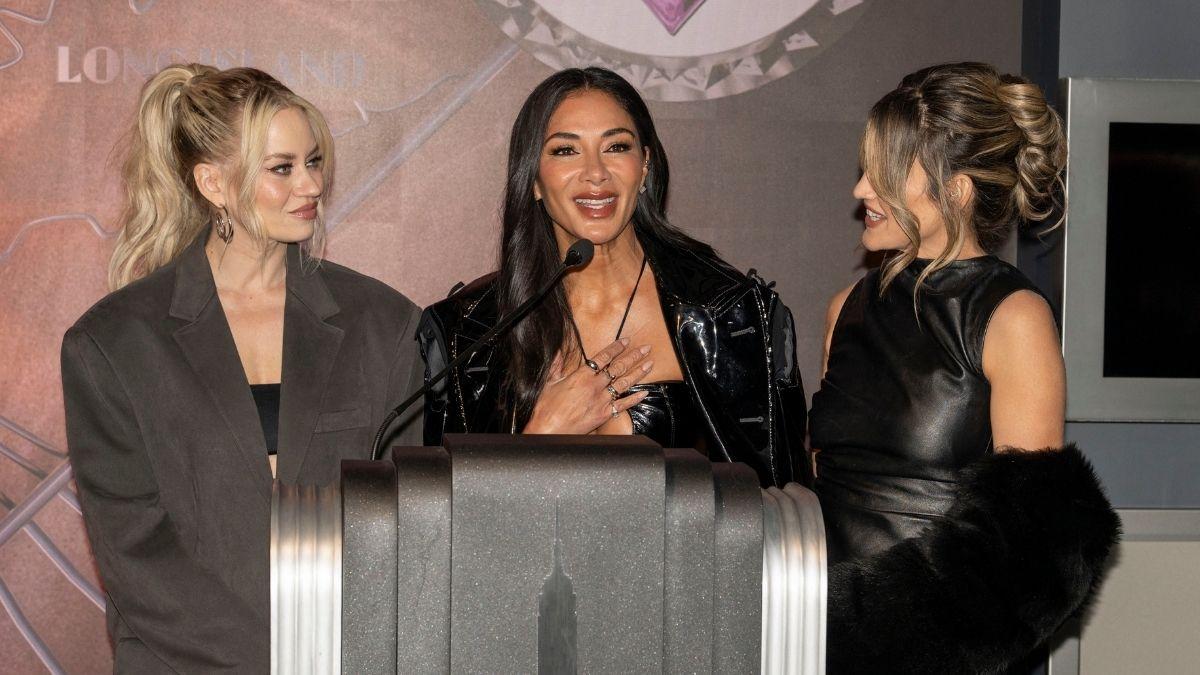
Fans still paid premium prices to see reunion tours.
Despite the frustration, demand isn’t slowing down. Tours like the Pussycat Dolls reunion continue to generate massive interest, with fans willing to navigate the system for a chance to see their favorite artists live.
That tension between excitement and exhaustion defines the current state of concert culture. The experience of buying tickets has become almost as intense as the event itself.
“Americans are sick and tired of being ripped off and having to jump through hoops to enjoy a night out,” Owens said. “It should not be on us to have to duck and weave in order to get a fair price, for concert tickets or anything else.”