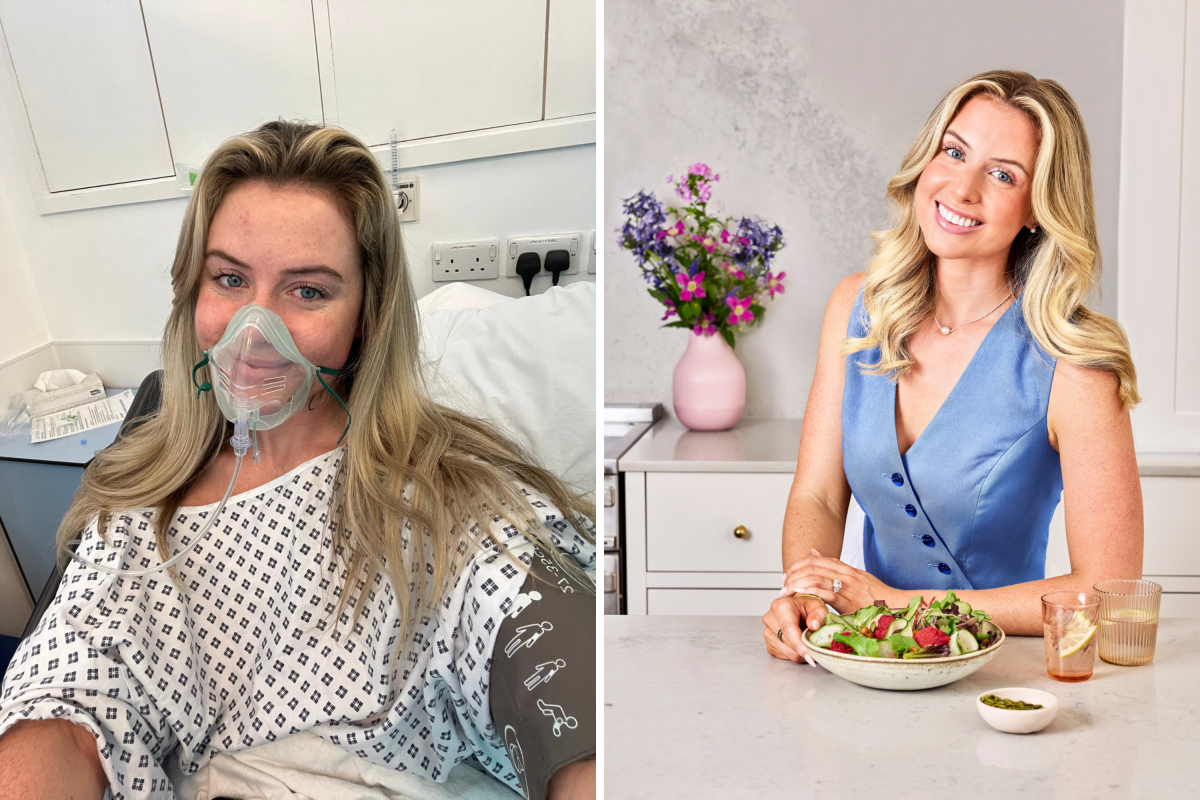
At 17, Sophie Richards was told by doctors that her chronic bloating and severe period pain were simply her being dramatic.
She was desperate. The bloating caused her clothes to no longer fit, and the pain felt as though a corkscrew was twisting her ovaries.
Extreme fatigue left her feeling as though she had endured an hours-long hike—something no amount of sleep could fix. Heavy periods also meant she would bleed through—often times—doubled up sanitary pads and tampons.
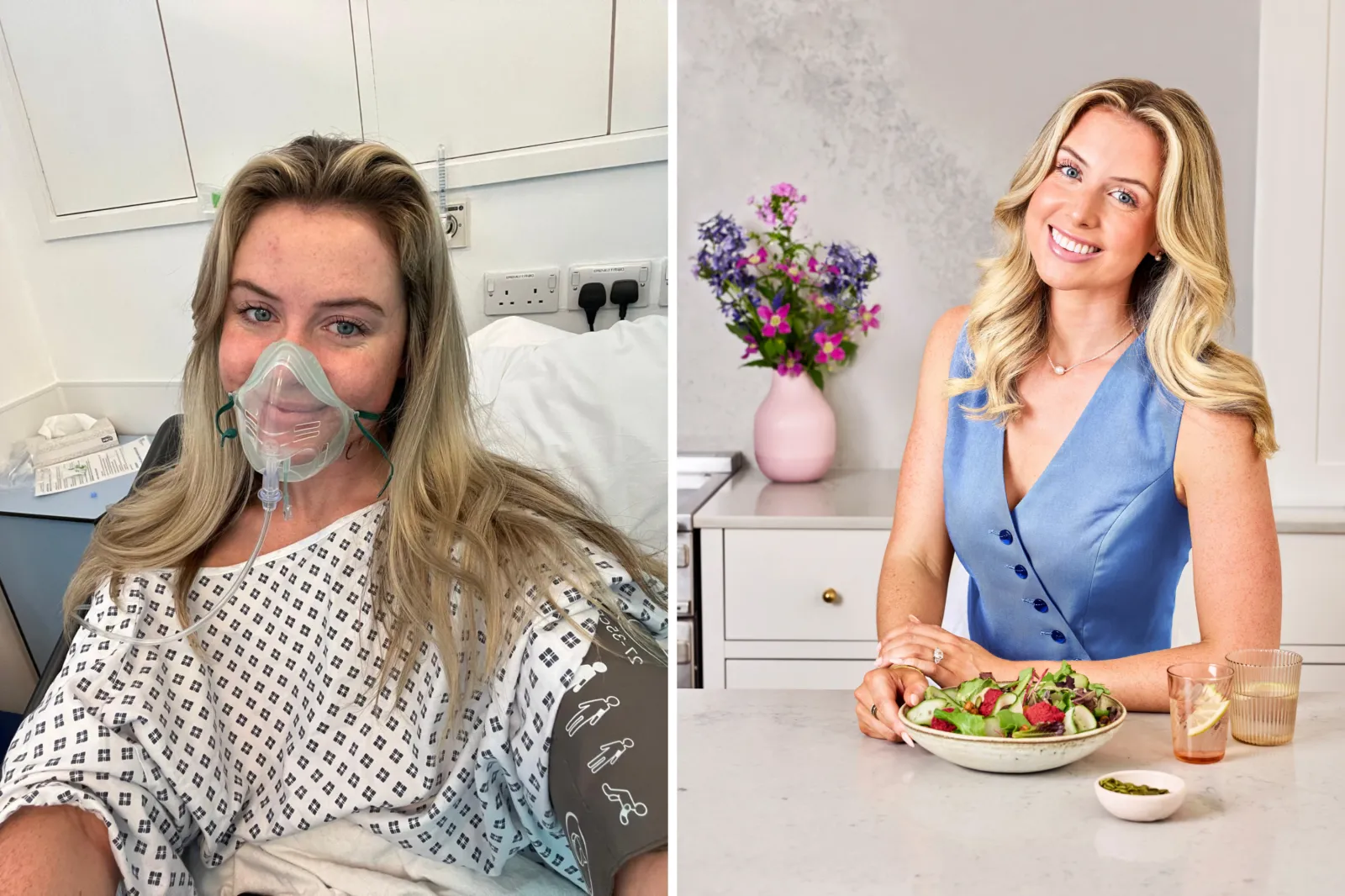
Back then, Richards, now 29, was preparing to take important exams with dreams of going to university. Her debilitating symptoms meant she missed school, impacting her grades. Mentally, she felt embarrassed and ashamed.
Her friends weren’t experiencing the same symptoms, and feeling like there was something deeply wrong, she sought help, only to be told that her symptoms were normal and pushed to go on the contraceptive pill.
“I felt like they weren’t listening,” Richards told Newsweek. “It was such a huge thing for me, and it was taking it over. It was robbing me of my youth.”
At university, the wrong advice persisted from different doctors. Some were even convinced that her symptoms were a result of a sexually transmitted disease. When a test came back negative, they suggested doing another.
“I just thought, I can barely get out of bed, let alone go on a night out and go around pulling different men like you assume,” Richards said. “I just felt humiliated because I was trying to convince doctors that I wasn’t sleeping around, so there was this element of shame stitched into the situation.”
Five years later, she decided to see a GP again, telling herself she would give it one last try. As she listed the symptoms she had been experiencing for years, the doctor became animated and told her he believed she had endometriosis.
She later learned that he had attended a women’s health conference just weeks earlier, where the common signs of the condition had been discussed—knowledge that allowed him to connect the dots almost immediately, despite it being her first appointment with him and before any tests had been carried out.
Endometriosis is a chronic condition in which tissue similar to the lining of the uterus grows outside the womb, causing inflammation, scarring and symptoms such as severe pelvic pain, heavy periods, fatigue and problems with fertility.
According to Endometriosis UK, around one in 10 women and those assigned female at birth of reproductive age in the U.K. are estimated to have endometriosis, affecting roughly 1.5 million people. In the U.S., the chronic condition is estimated to affect 10 to 15 percent of women of reproductive age.
In the U.S., particularly, an endometriosis diagnosis commonly takes seven to 10 years, as symptoms are frequently normalized as “bad periods” or mistaken for other conditions such as irritable bowel syndrome, anxiety or pelvic inflammatory disease.
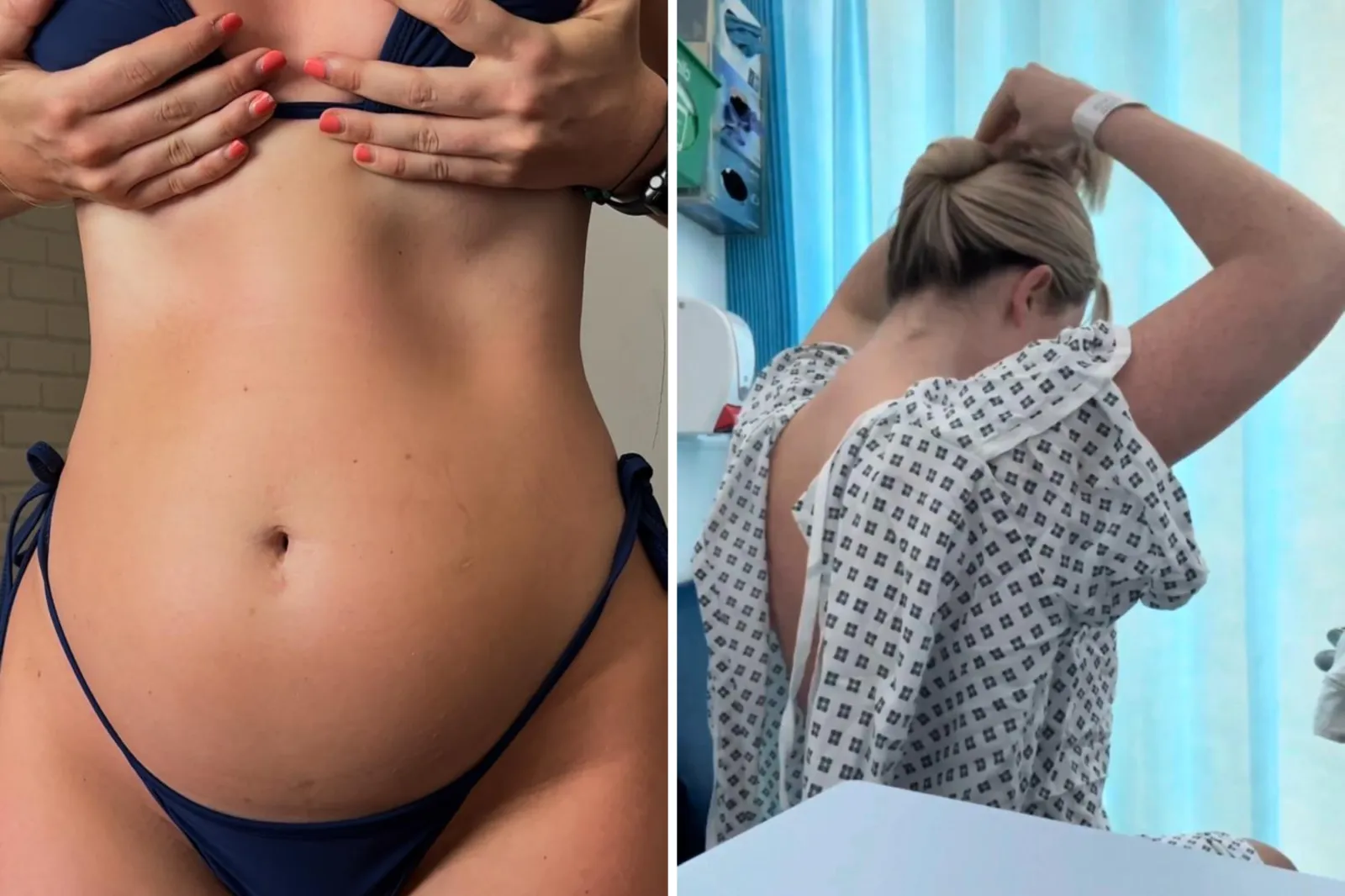
An exploratory laparoscopy confirmed Richards’ formal diagnosis of endometriosis. She was told she had two choices: have a baby or have a hysterectomy—a surgical procedure to remove the uterus, meaning Richards would no longer be able to become pregnant.
“It was a really weird moment because part of me was like, I knew there was something wrong, I knew it was a name to it,” Richards said, of finally getting a diagnosis. “But you don’t really want to be right about a condition that you can’t get rid of, that no one has an answer for, and there’s no cure for.”
Despite multiple surgeries and treatments, her symptoms persisted. Richards was battling flare-ups, out-of-control bloating and increased weight gain.
Curious and, once again desperate, she started doing her own research. In doing so, the term “inflammation” cropped up several times.
“I knew I was hypersensitive to certain foods, I just didn’t know what,” Richards said. “I tried veganism, keto, intermittent fasting, prolonged fasting—everything, and to some degree they all helped short term, but long term, they didn’t.”
She later realized that while she had focused on fixing her endometriosis, it wasn’t the root of the problem. Instead, the underlying issue was what was triggering her flare‑ups and a wide range of other symptoms—including acne, brain fog, nausea, constipation and mood swings—which she ultimately identified as inflammation.
Through her own investigating Richards then discovered a women’s health practitioner course with a certificate in menstrual health.
She said she had to quit her job so she could devote the time needed to learn about her condition, adding that she ultimately had no choice because the pain made it physically impossible to continue working—and because the corporate system, she felt, is not designed to support women in those circumstances.
By following an anti-inflammatory lifestyle, which focuses on food and nutrition, gut health, exercise, sleep, stress and detoxification, Richards now has fewer symptoms across the board.
Her book, The Anti-Inflammatory 30-Day Reset, is a guide to these six pillars of information. She also shares free-to-access information on her Instagram page @sophie.richards.
Above all, Richards believes education about periods and menstrual health needs to start much earlier, and for both boys and girls, arguing that stigma and shame are ingrained from childhood.
Had she been taught that painful periods are common but not normal, she believes she would have been better able to articulate her symptoms and advocate for herself sooner—and that doctors, educated from childhood themselves, might also be more inclined to investigate rather than dismiss symptoms.
“I have such faith and hope for the next generation that they won’t have to [go through] this because they have people like us talking about it openly and raising awareness,” she said.