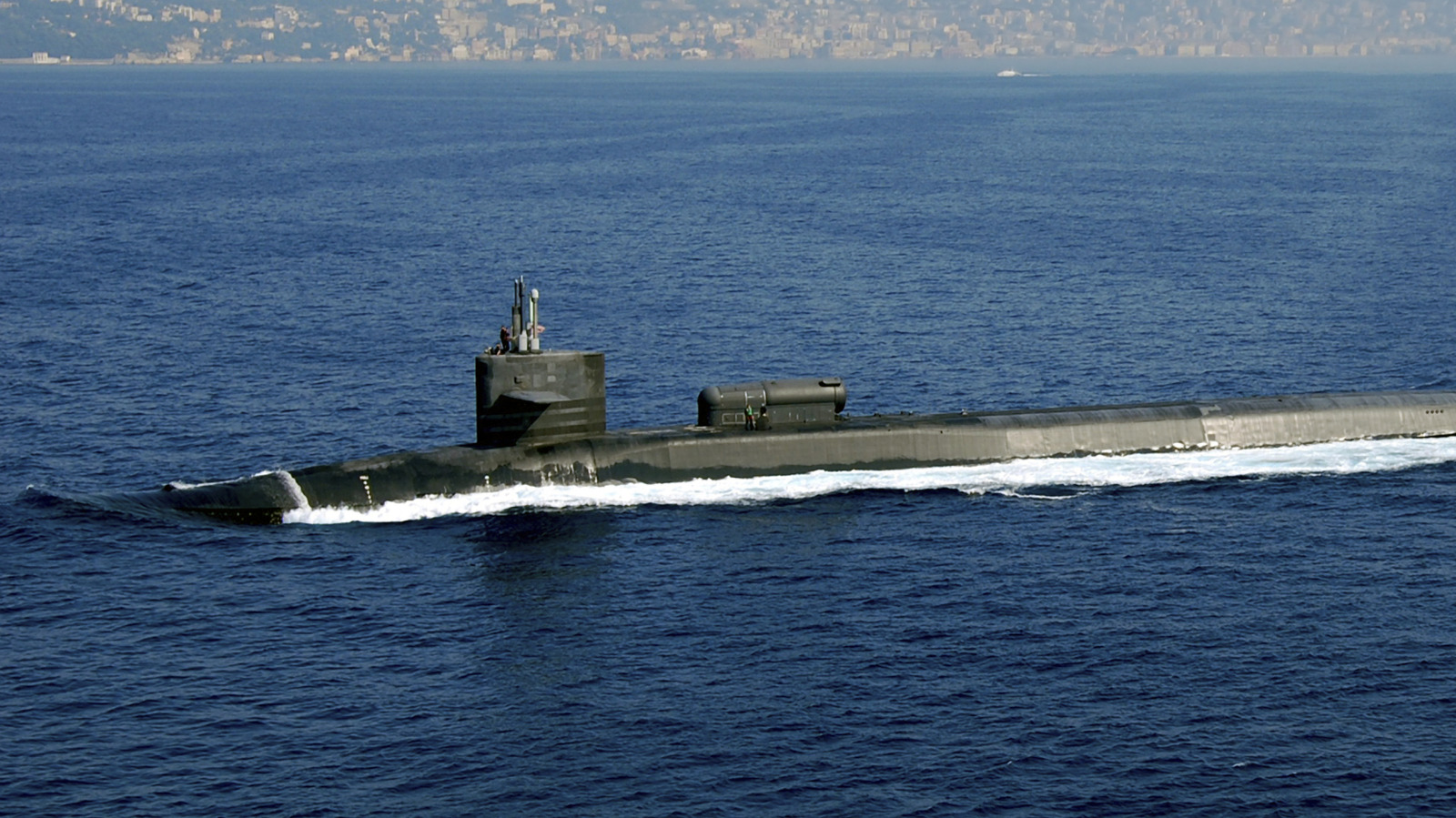
The US Naval fleet is the strongest in the world, with some of the most capable and iconic ships on the water along with some of the world’s most advanced nuclear subs operating strategically around the globe. But some of the Ohio-class submarines in the American fleet are now nearing the end of their service.
The Ohio-class includes four guided missile subs, formally designated SSGNs. These SSGNs include the USS Georgia, USS Ohio, USS Michigan, and USS Florida, the last of which was at sea for a historic 727 days. The four submarines were actually converted from ballistic missile boats in the early 2000s. They were redesigned to carry large numbers of conventional weapons, including up to 154 Tomahawk cruise missiles on each sub. This gave the Navy an enormous amount of strike power.
The problem is that, as of this writing, none of the four SSGNs are set to be replaced. Even if the Navy decided to make such a move, it could be nearly twenty years before replacement submarines would be ready for service. The Navy is securing Virginia-Class Block V attack submarines to help fill the void, but these craft don’t carry nearly the number of weapons that SSGNs carry, so it will take more subs to make up the difference.
Submarine maintenance demands grow as fleet ages
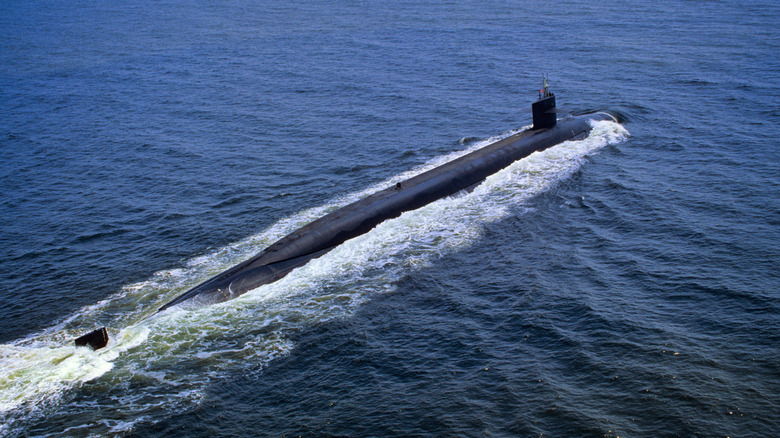
While the US Navy’s four SSGNs are slated for retirement, they’re not the only Ohio-class submarines currently in service. The Ohio-class actually has 14 ballistic missile submarines, which aren’t quite the same as attack submarines. These subs, known as SSBNs, carry Trident II ballistic missiles, are designed for stealth, and built for high-endurance patrols. But, like the four retiring SSGNs, these SSBNs are aging as well. In fact, the Navy is planning to replace them with the new Columbia-class submarines, beginning sometime in the early 2030s.
The issue is that they require more maintenance and longer completion times the older they get. This means that a sub can spend more time in the shipyard than at sea. As an example, the USS Ohio recently had extensive mechanical work, major repairs, and upgrades. That maintenance period took three years to finish, partly because the Ohio is the oldest sub in the fleet.
The Ohio-class SSBNs are facing the same challenges as well. The Government Accountability Office (GAO), found in 2021 that SSBN engineering overhauls took much longer than planned. This was due to crews having to address outdated, and sometimes worn, systems, which required more work than expected. Even routine maintenance periods were taking longer than usual, as submarines remained out of the water and past their scheduled completion dates.