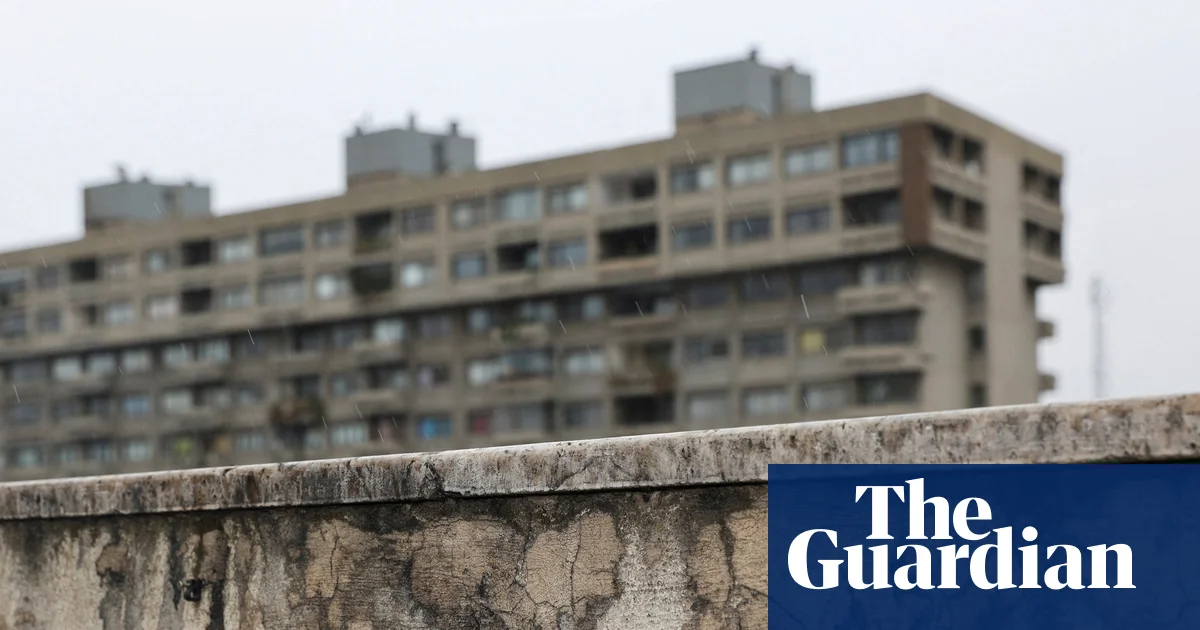
Black rain fell in Iran earlier this month, a grim phenomenon seen previously in other war zones.
Strikes on oil facilities burned thousands of tons of stored fuel. Unlike the clean controlled combustion inside an engine, uncontrolled burning leaves many particles of unburned fuel, producing a pall of toxic smoke over affected areas.
The particulate matter rises on the hot updraft from the fire and effectively seeds rainclouds, with the particles forming nuclei for raindrops. The resulting dirty rainfall helps clean the air, but potentially harmful pollutants may end up in drinking water.
Similar black rain occurred after oil wells in Kuwait were set ablaze during the 1991 Gulf war.
The most severe form of black rain fell in Hiroshima a few hours after the atomic bombing. This was a mix of radioactive ash and water, with almost the consistency of tar. In some cases the Hiroshima rain was so radioactive it burned exposed skin.
The black rain in Iran is less dangerous, but likely contains pollutants such as benzene, acetone, toluene and methylene chloride, all of which can cause cancer. It may also damage vegetation including crops. If strikes continue and more oil sites are hit black rain may fall again, and the after-effects will last long after the conflict is over.