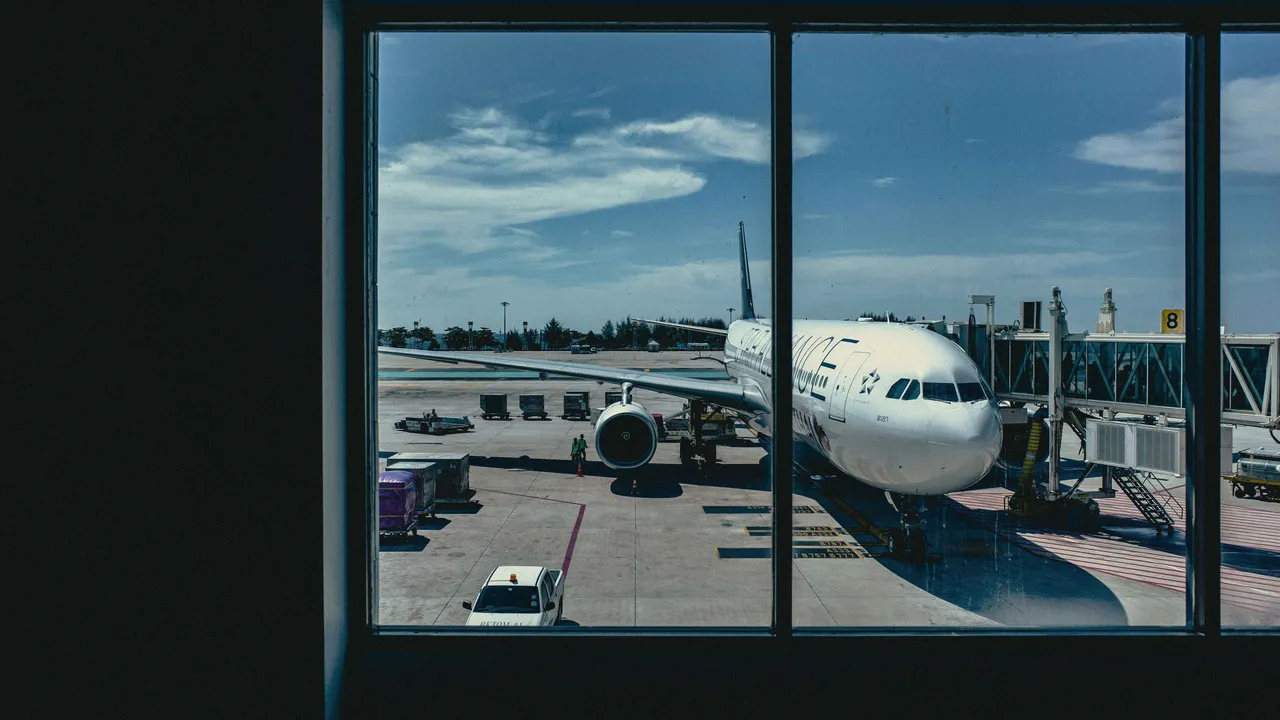
In 2026, booking a trip at home or abroad can feel laced with uncertainty. Conflict in the Middle East is causing flight disruptions across the globe, while frequent government shutdowns in the US are leading to unprecedented wait times at the airport.
Amid the travel chaos, some insurance policies, like “cancel for any reason” (CFAR) protection, have jumped significantly. In March 2026 alone, purchases of CFAR insurance plans increased 27% due to global events, according to insurance comparison site Squaremouth.
It all means that some travelers are considering trip insurance for the first time. “Uncertainty is exactly when travel insurance becomes more important,” says Suzanne Morrow, CEO of travel insurance comparison site InsureMyTrip. “But it’s also critical to understand what is and isn’t covered. For example, if you miss your flight because you’re stuck in a long TSA security line, that’s typically not covered. But if the airline delays a flight because the crew is impacted, there may be coverage.”
If you’re deciding whether or not to buy travel insurance for your trip, here’s what to know.
When should you buy travel insurance?
Even if you don’t think you need insurance coverage for your trip, there are certain situations when purchasing a policy requires a second look. “Travel insurance makes the most sense for trips where you have something to lose, financially or otherwise,” says Morrow. “If you’re traveling internationally, going more than 100 miles from home, or booking a trip with significant prepaid, nonrefundable costs like flights, hotels, cruises, or tours, it’s worth considering.”
Insurance is also a good idea for travelers who are concerned about specific issues like illness, severe weather, or other travel disruptions, according to Morrow. “On the other hand, for a simple weekend road trip close to home with minimal expenses, you may not need it,” she says.
Those travelers interested in purchasing a policy should do so right after they make their first payment on their trip. “That’s when you unlock the most valuable benefits,” Morrow says. Plus, some plans include time-sensitive add-ons that can only be purchased within a certain timeframe after booking your trip. “Waiting doesn’t save you money; it just limits your options,” Morrow says. “If you want flexibility and the broadest protection, earlier is always better.”
What’s the best type of travel insurance policy?
Experts suggest purchasing a plan that best matches your travel needs by using comparison tools like Squaremouth or InsureMyTrip. If you’re looking for the most comprehensive plan, it’s highly recommended to upgrade your basic coverage to include cancel for any reason (CFAR) protection.
This add-on has become more popular in recent months. “The current travel landscape can make travelers feel as though they have no control over their plans,” says Chrissy Valdez, senior director of operations at Squaremouth. “By purchasing travel insurance with cancel for any reason, you can regain a sense of control and plan your trips with more confidence, knowing you have protection.”
Keep in mind the upgrade doesn’t come cheap: It can increase a policy’s cost by 40% to 50%, according to Valdez, but it covers scenarios that other policies do not, such as events that were foreseen at the time of booking (like certain aspects of government shutdowns or winter storms) or simply changing your mind and deciding not to travel.
Before purchasing your initial plan, be sure to double check that adding CFAR coverage is an option. Not every plan offers this upgrade. Typically, you must purchase the add-on within 14 to 21 days of your initial trip deposit.