فيما تسابق الدول الوسيطة الزمن لإحراز تقدم في المفاوضات بين واشنطن وطهران، صعّدت إسرائيل عملياتها العسكرية ضد إيران.
وأكدت وزارة الدفاع السعودية اعتراض وتدمير صواريخ وطائرات مسيّرة استهدفت العاصمة الرياض والمنطقة الشرقية، مشيرة إلى أن الدفاعات الجوية تعاملت، الجمعة، مع 6 صواريخ باليستية و26 طائرة مسيّرة، وفقاً للمتحدث باسم الوزارة اللواء الركن تركي المالكي.
وأوضح المالكي أنه تم اعتراض وتدمير 13 طائرة مسيّرة في كل من الرياض والمنطقة الشرقية، مع سقوط شظايا اعتراض بمحيط موقع عسكري في الرياض دون تسجيل إصابات. وأضاف أنه تم رصد إطلاق 6 صواريخ باليستية باتجاه الرياض، حيث تم اعتراض صاروخين، فيما سقطت الأربعة الأخرى في مياه الخليج العربي ومناطق غير مأهولة.
وفي الكويت، أعلنت السلطات تعرض ميناء الشويخ وميناء مبارك الكبير لأضرار مادية نتيجة الهجمات، في مؤشر على اتساع نطاق التصعيد ليشمل منشآت حيوية في المنطقة.
وأعلنت إسرائيل تنفيذ موجة جديدة من الضربات الجوية، الجمعة، استهدفت بنى تحتية عسكرية في قلب العاصمة طهران، فيما تتواصل الجهود الدولية لاحتواء الحرب دون مؤشرات واضحة على التهدئة.
وقال الجيش الإسرائيلي في بيان مقتضب إنه «استكمل موجة واسعة من الضربات استهدفت بنية النظام الإيراني»، مشيراً إلى استهداف مواقع لإنتاج الصواريخ الباليستية وأنظمة الدفاع الجوي، إلى جانب منصات إطلاق ومخازن صواريخ في غرب إيران ومواقع تصنيع داخل العاصمة.
وقال وزير الخارجية الألماني يوهان فاديفول إن هناك استعدادات جارية لعقد محادثات مباشرة بين الولايات المتحدة وإيران، مرجحاً أن تُعقد قريباً في باكستان.
وأوضح في تصريحات لإذاعة «دويتشلاندفونك» أن الاتصالات غير المباشرة جرت بالفعل، وأن التحضيرات مستمرة لعقد لقاء مباشر، معتبراً أن هذه التطورات تمثل بوادر أمل رغم استمرار المواجهات.
وفي واشنطن، أعلن الرئيس الأمريكي دونالد ترمب تأجيل استهداف منشآت الطاقة في إيران لمدة 10 أيام حتى 6 أبريل، مشيراً إلى أن «المفاوضات تسير على نحو جيد».
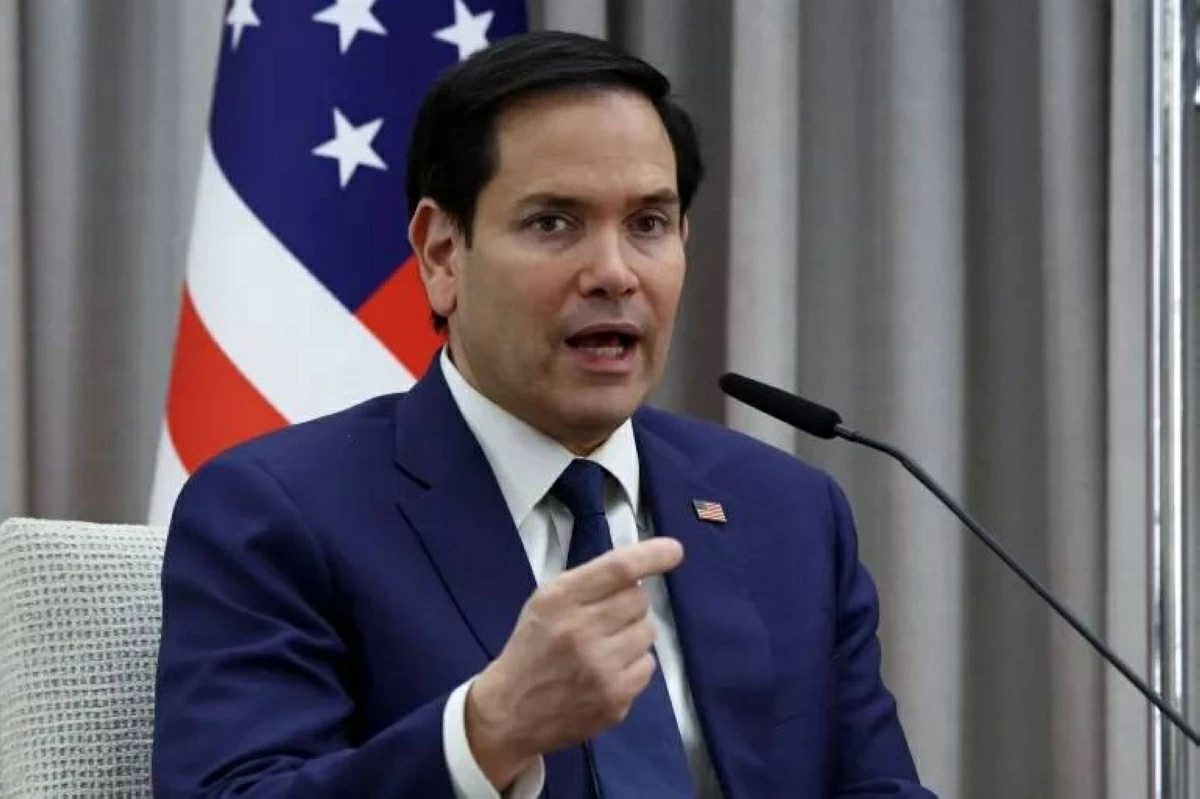
من جانبه، قال وزير الخارجية الأمريكي ماركو روبيو، عقب اجتماع مجموعة السبع في باريس، إن على جميع الدول المساهمة في إعادة فتح مضيق هرمز، مؤكداً أن بلاده «تحقق تقدماً كبيراً عن الجدول الزمني» في إيران.
وأضاف روبيو أن العملية العسكرية «ستنتهي خلال أسابيع»، مشدداً على أن الولايات المتحدة ستحقق «جميع أهدافها قريباً»، معتبراً أن «الإيرانيين يستحقون نظاماً أفضل من النظام الحالي».
As intermediary countries race against time to make progress in negotiations between Washington and Tehran, Israel has intensified its military operations against Iran.
The Saudi Ministry of Defense confirmed the interception and destruction of missiles and drones targeting the capital Riyadh and the Eastern Province, noting that air defenses dealt, on Friday, with 6 ballistic missiles and 26 drones, according to the ministry’s spokesperson, Major General Turki Al-Maliki.
Al-Maliki explained that 13 drones were intercepted and destroyed in both Riyadh and the Eastern Province, with debris from the interceptions falling near a military site in Riyadh without causing any injuries. He added that 6 ballistic missiles were detected being launched towards Riyadh, of which 2 were intercepted, while the other 4 fell into the waters of the Arabian Gulf and uninhabited areas.
In Kuwait, authorities announced that the Shuwaikh Port and Mubarak Al-Kabeer Port suffered material damage as a result of the attacks, indicating an escalation that includes vital facilities in the region.
Israel announced the execution of a new wave of airstrikes on Friday, targeting military infrastructure in the heart of the capital Tehran, while international efforts to contain the war continue without clear signs of de-escalation.
The Israeli army stated in a brief statement that it “completed a wide wave of strikes targeting the structure of the Iranian regime,” indicating that it targeted sites for the production of ballistic missiles and air defense systems, along with launch platforms and missile storage facilities in western Iran and manufacturing sites within the capital.
German Foreign Minister Johan Wadephul stated that preparations are underway for direct talks between the United States and Iran, likely to be held soon in Pakistan.
He clarified in statements to Deutschlandfunk radio that indirect communications have already taken place, and that preparations are ongoing for a direct meeting, considering that these developments represent a glimmer of hope despite the ongoing confrontations.
In Washington, President Donald Trump announced the postponement of targeting energy facilities in Iran for 10 days until April 6, indicating that “negotiations are going well.”
For his part, U.S. Secretary of State Marco Rubio, following a G7 meeting in Paris, stated that all countries must contribute to reopening the Strait of Hormuz, emphasizing that his country is “making significant progress ahead of schedule” in Iran.
Rubio added that the military operation “will end within weeks,” stressing that the United States will achieve “all its goals soon,” considering that “the Iranians deserve a better system than the current one.”