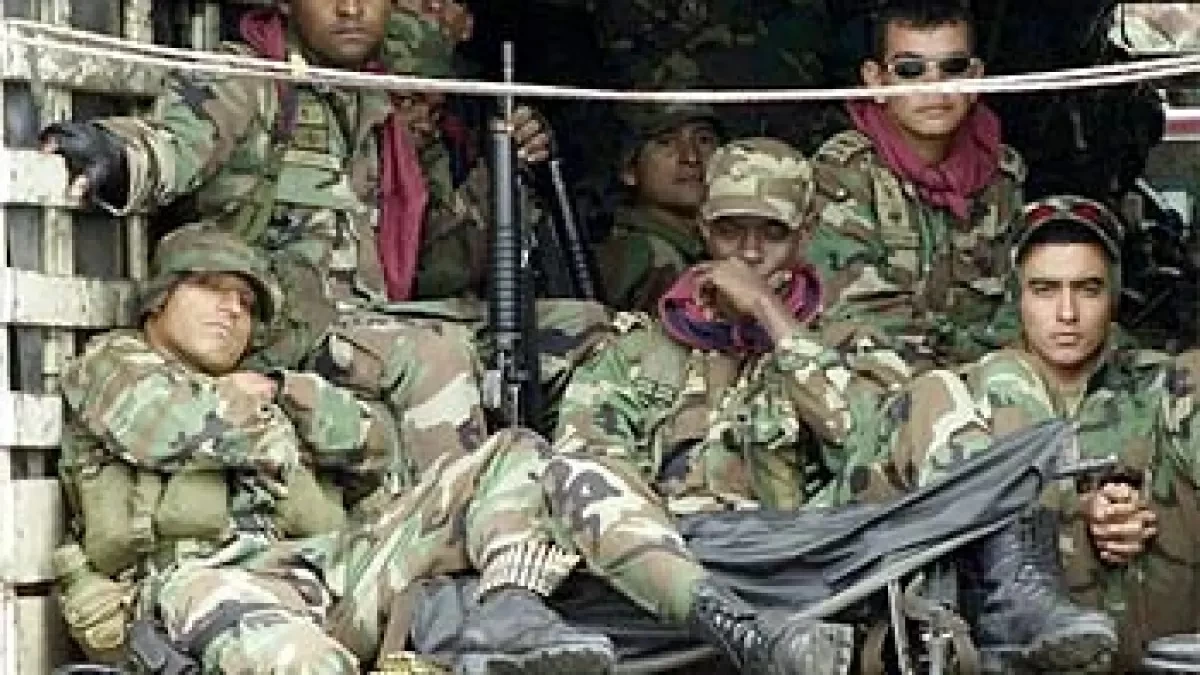
أفصحت الأمم المتحدة أن نحو 10 آلاف مرتزق كولومبي جرى تجنيدهم للمشاركة في نزاعات مسلحة في العالم خلال السنوات العشر الماضية.
وكشف فريق عمل تابع للأمم المتحدة معني بظاهرة المرتزقة في العاصمة الكولومبية بوغوتا، أمس (الجمعة)، أن هؤلاء المرتزقة استُخدموا في نزاعات بعدة دول منها أوكرانيا والسودان واليمن والكونغو الديمقراطية.
وأعلن الفريق الأممي عن وجود شبكات تجنيد نشطة عبر منصات التواصل الاجتماعي مثل «فيسبوك» و«إنستغرام» و«تيك توك» و«تليغرام».
وذكر التقرير الأولي للفريق الأممي أن بعض هؤلاء المرتزقة مقاتلون سابقون خرجوا من الخدمة، ولم يتمكنوا من الاندماج في الحياة المدنية، وتُعد البطالة بين المقاتلين المسرحين محركاً رئيسياً وراء هذه الظاهرة.
وعزا الفريق الأممي تزايد ظاهرة تجنيد المرتزقة الكولومبيين في النزاعات الدولية، إلى الرواتب المغرية وهشاشة الأوضاع الاقتصادية لعسكريين وعناصر شرطة متقاعدين في كولومبيا.
وأفادت رئيسة الفريق ومقرّرته ميشيل سمول بأن تردي أوضاع هؤلاء يدفهم للبحث عن عمل في الخارج سواء في أنشطة مشروعة أو محظورة مرتبطة بالارتزاق، وفق تعبيرها.
وقالت خلال عرض أمام الصحفيين «خلال السنوات الإحدى عشرة الماضية، سُجّل ارتفاع في الطلب العالمي على الكوادر الكولومبية لتولي مهمات عسكرية وأمنية».
وتحدثت سمول عن أوضاع إنسانية صعبة يعيشها هؤلاء المرتزقة في النزاعات، مؤكدة أن عدداً منهم يرغبون في العودة إلى كولومبيا، لكن جوازات سفرهم “صودرت منهم.
وأضافت أن عائلاتهم في كولومبيا تواجه صعوبة في الحصول على معلومات عن أوضاع أقاربها في الخارج.
فيما أوضح عضو الفريق جوانا دي ديوس بيريرا أن عقود بعض هؤلاء المرتزقة قانونية، كما في حالة أوكرانيا، إذ يعمل الكولومبيون تحت مظلة وزارة الدفاع.
ورحّب الفريق الأممي بإقرار الرئيس غوستافو بيترو قانوناً جديداً يصادق على الاتفاقية الدولية لعام 1989 لمناهضة تجنيد المرتزقة واستخدامهم وتمويلهم وتدريبهم.
The United Nations has disclosed that around 10,000 Colombian mercenaries have been recruited to participate in armed conflicts around the world over the past ten years.
A UN working group concerned with the phenomenon of mercenaries revealed yesterday (Friday) in the Colombian capital, Bogotá, that these mercenaries have been used in conflicts in several countries, including Ukraine, Sudan, Yemen, and the Democratic Republic of the Congo.
The UN team announced the existence of active recruitment networks through social media platforms such as “Facebook,” “Instagram,” “TikTok,” and “Telegram.”
The preliminary report from the UN team indicated that some of these mercenaries are former fighters who have left service and have been unable to reintegrate into civilian life, with unemployment among discharged fighters being a major driver behind this phenomenon.
The UN team attributed the increase in the recruitment of Colombian mercenaries in international conflicts to attractive salaries and the precarious economic conditions of retired military personnel and police officers in Colombia.
Team leader and rapporteur Michelle Small stated that the deteriorating conditions of these individuals push them to seek work abroad, whether in legitimate or illicit activities related to mercenarism, as she put it.
During a presentation to journalists, she said, “Over the past eleven years, there has been an increase in global demand for Colombian personnel to undertake military and security missions.”
Small spoke about the difficult humanitarian conditions faced by these mercenaries in conflicts, emphasizing that many of them wish to return to Colombia, but their passports have been “confiscated from them.”
She added that their families in Colombia face difficulties in obtaining information about the conditions of their relatives abroad.
Meanwhile, team member Joana de Dios Pereira clarified that contracts for some of these mercenaries are legal, as in the case of Ukraine, where Colombians work under the umbrella of the Ministry of Defense.
The UN team welcomed President Gustavo Petro’s enactment of a new law that ratifies the 1989 international convention against the recruitment, use, financing, and training of mercenaries.