Every year on World Autism Awareness Day, morning television shows and programmes are awash with families of autistic children pouring out their lived realities — the exhausting therapy schedules, the struggle to find inclusive schools, the financial strain of specialised care, and the quiet isolation that often follows. Their testimonies lay bare a system that offers sympathy but little structural support.
Even with the surge in visibility, awareness fades as the cameras move on, and families are left navigating the same gaps in services, affordability, and inclusion, with no meaningful progress in sight.
A recent episode brought this gap into sharp focus. A furore erupted on social media after users commiserated with Asma Afaq, the mother of a nine-year-old autistic child, Zaviyar, who was reportedly denied entry into a play area at Karachi’s Dolmen Mall. Despite her reassurance that she would personally supervise her child to ensure the safety of others, Zaviyar was refused access to Sindbad’s Wonderland.
In response, the organisation issued a statement saying the decision stemmed from safety concerns, citing height and weight restrictions for the toddler play area.
Expressing her frustration with the lack of inclusive recreational options for children with autism, the mother raised a pressing question: “Where are we, as parents, supposed to take our children if public spaces fail to accommodate them?”
While Zaviyar is one of the 350,000 children on the autism spectrum living in Pakistan, Asma has echoed the sentiments of all mothers who are met with a path fraught with difficulties as they battle the tribulations of raising their special needs children with no relief in sight.
With the dearth of sensory-friendly recreational and leisure spaces posing yet another challenge for autistic children, many parents find it difficult to offer them the kind of childhood experiences available to others.
Grievances of caregivers
Autism is a neurodevelopmental condition affecting individuals to varying degrees. It is a spectrum disorder (ASD) attributed to persistent deficits in social communication and reciprocal interaction, as well as engagement in restricted, repetitive, and inflexible patterns of behaviour or activities.
Children with autism experience heightened sensitivity to specific textures, sounds, or smells; because of this, they tend to engage in certain behaviours such as jumping, spinning, hand-flapping, tiptoe-walking, and making repetitive noises (echolalia).
In typical social settings, the processing of social cues and sensory overload leads to behavioural difficulties, which are often misunderstood and deemed disruptive by others. At extremes, autistic children are prone to shutdowns due to hyposensitivity (underresponsiveness) or meltdowns owing to hypersensitivity (overresponsiveness), as they feel the need to escape the situation, caused by a wide range of stimuli.
Rather than showering them with acceptance and celebrating their differences, ludicrous misconceptions surrounding the disorder have snowballed, resulting in unnecessary stigma and discrimination.
Not only is autism perceived as a “disease”, special needs children are also viewed as victims of a hex cast upon them or as being possessed by “paranormal forces” because of their neurodevelopmental impairment. Parents of neurotypical children also fear that their own children will imitate the same kinds of behaviours commonly associated with special needs, reinforcing further exclusion.
Impervious to the needs of persons with neurodivergent disorders, our society, as a result, remains inflexible and fails to cater to differently abled minds that defy convention. Autistic children and adolescents are conveniently ostracised from mainstream society, as they face isolation from peers and misjudgment from adults.
Zunaira Asif, mother of six-year-old Anabiya Asif, is a victim of this exclusionary attitude. She expressed sheer helplessness at the lack of recreational opportunities for her child. “My daughter gets overwhelmed and hyperactive in crowded play areas with loud music,” she said.
“There is a play gym in DHA Phase V, where the staff’s behaviour was extremely rude towards my child, and she was made to feel unwelcome because of her sensory sensitivities.”
Syeda Safia Masnoon, another mother of 14-year-old Syed Farhan Masnoon, who suffers from mild autism, shared, “I avoid taking Farhan to overcrowded play areas with bright lights and loud noises as he gets agitated.”
In the same vein, Fatima Amar, the sister of 17-year-old autistic child Samiullah Amar, revealed that her brother stims in noisy and crowded environments, which subjects him to prolonged stares and unwanted attention, leaving her family uncomfortable in public spaces.
As the elder sister of Mahnoor Zaman, a young girl with autism, such predicaments hit close to home. Not only do I resonate with these experiences, but it also weighs heavily on me to see autistic children and their families left out in the cold for circumstances that lie beyond their control.
Growing up, I watched Mahnoor struggle in spaces that were meant to be joyful. I recall the sharp wave of panic that would pass through my parents and siblings whenever a meltdown began.
More often than not, we would gather our belongings and leave hurriedly — not only to comfort her, but also to escape the stares, as parents, children, and even staff members turned a moment of distress into a spectacle.
To date, Mahnoor has not been able to enjoy such spaces, as their lack of accommodation for her autism deprives her of a suitable outlet for healthy engagement, which has exacerbated her behavioural challenges at home.
What insights do experts offer?
Contrary to typical social settings, sensory-friendly spaces are essential for children with autism. They offer a safe and soothing environment against overstimulation, which triggers physical discomfort, distress, and anxiety.
Omar Siddiqui, general secretary at the Association for Children with Emotional Learning Problems (ACELP), noted that play spaces are integral for regulating their emotions, encouraging independence and social participation.
“When these spaces are autism-friendly, children can comfortably interact with other differently abled and neurotypical children,” he emphasised. “Not only does this boost their confidence and give them a sense of belonging, but it also nurtures empathy among all children.”
Nevertheless, in the absence of sensory-friendly spaces, the enormity of the fallout raises alarm. Flagging up the dire consequences of autistic children growing up without inclusive play spaces, Saima Memon, the president of The Learning Skills (TLS), reiterated that the inaccessibility hinders their social development.
“They often grow up as introverts while feeling anxious in public places. They struggle socially, develop fixations and lack confidence,” she noted. “Families also become isolated, and society continues to deny or misunderstand autism.”
As the structure of play spaces does not meet the needs of autism, a number of design elements are imperative to facilitate children or adolescents with sensory needs.
Dr Hina Abid, a senior occupational therapist at Sindh Institute of Physical Medicine and Rehabilitation (SIPMR), called for accommodating sensory difficulties by modifying the environment of recreational spaces to make them inclusive.
“Play areas or parks need to provide integration of all senses through tactile, proprioceptive and vestibular inputs offered by textures and specialised playground equipment,” she stated.
“Sensory-friendly hours under the supervision of trained staff within play areas can be allotted to special needs children. In times of a meltdown, autistic children should have access to quiet zones where they can self-regulate. Another way is to create soft play areas with simple layouts, signage and maps for easy navigation,” Dr Hina added.
Pakistan’s first autism-friendly recreational space
Funclusion is a recreational amusement space with a sensory-rich environment, exclusively designed for children of all abilities to immerse themselves in leisure activities tailored to their sensory diet. The project is the brainchild of Dr Maheen Noorani, a special education consultant and mother of two boys with autism.
“While these children may not be able to express themselves, we tend to forget that they are still human beings,” she said. “We cannot always force them into strict routines. They need downtime to unwind and enjoy their leisure time.”
Designed as a quiet zone with an organised spatial layout, Funclusion offers auditory, tactile and visual stimulation. It has a calming atmosphere, soft lighting, controlled noise levels, and gentle music playing in the background. It also features a variety of developmental and fidget toys to help children and adolescents ease into the space and nurture the development of fine and gross motor skills.
In the dimly lit “Light Zone”, children can explore and experiment with different lights, while in the adjacent “Planetarium”, they have access to sensory items including sequins, furry carpets, and stress balls. From a rocking chair, they can also watch simulations of planets for learning purposes.
“By giving them the sensory input they need, the space promotes a receptive state for interaction and healthy engagement,” Dr Noorani explained.
While Funclusion stands as a model for play centres, numerous standards have been established internationally. As the first theme park in the world to be designated as a Certified Autism Centre (CAC), Sesame Place Philadelphia offers attractions with varying levels of sensory stimulation for children with autism. It is equipped with quiet rooms, low-sensory areas, trained staff, and sensory guides for each ride.
Similarly, Hong Kong’s Tuen Mun Inclusive Park and Playground is designed to meet the mobility, cognitive, and sensory needs of children. It aims to provide diverse forms of tactile, swaying, and spinning equipment through activities and specialised services such as a water play plaza, balance-focused zones with trampolines, sand play tables, climbing towers, and sensory play walls.
The Achilles heel of recreational spaces
At present, the play area management operates within the ambit of its organisational practices and spatial constraints, which accommodate autistic children and their families to a limited extent.
While management claims that policies exist to support inclusion, the means of implementation remain undefined, relying on minimal adjustments rather than structural modifications or the integration of sensory play equipment.
“Autistic children lie on a spectrum, and while our staff can attend to them to a certain extent, behavioural challenges can still be difficult to manage,” said Noor Khan, junior manager of operations at Sindbad’s Wonderland in Dolmen Mall, Clifton.
“We have a designated area for toddlers, a soft play zone, a water play area, and a variety of gaming activities. No child with special needs is ever prevented from accessing these areas, provided they are accompanied by their own caregivers and adhere to our safety guidelines, including height and weight restrictions.”
Upon being inquired about the staff’s training, he mentioned that the team has been undergoing training; however, he was unsure about the specifics of the programme and how it enhances their ability to deal with autistic children.
“While we allow children of all abilities to access any area, we do not have designated zones,” said Qurban Ali, another operations manager at Sindbad Xtreme in Dolmen Mall, Clifton.
“At best, we recommend that parents of autistic and special needs children visit during the first half of the day, when the space is less crowded, which makes the experience more pleasant and less overwhelming,” he added.
A.A. Joyland Pvt. Ltd., an entertainment company operating across Pakistan and in the UAE within the amusement industry, runs numerous recreational venues in Karachi, including Superspace, Peekabear, Bounce, Giggle Town, and others.
Raza Ansari, the deputy general manager of projects at A.A. Joyland Pvt. Ltd., explained how efforts are made to accommodate children with autism and special needs.
“Whenever parents inform us that their child has autism, we try our best to facilitate them without compromising the experience of neurotypical children and their families. We can adjust the environment by lowering noise levels and assigning an attendant so that the child can immerse themselves comfortably,” he said.
“We provide headphones with soft music to autistic children during meltdowns. As for specific play equipment for sensory input, at the moment our spaces, such as Bounce, mainly have trampolines available,” Ansari added.
Muhammad Salman Mughal, the head of marketing and leasing at Ocean Mall & Tower, reveals that while the staff at the mall is provided with training to equip them with the knowledge to handle children with behavioural difficulties, the training is not presently specialised to address the needs of autistic children.
He added that the management is currently working on introducing special arrangements for sensory regulation within the mall to facilitate the recreation and entertainment of children with special needs.
Where does the buck stop?
With commercial entities, including malls and play areas, being unable to provide facilities and equipment crucial to accommodating sensory needs, a confluence of obstacles is at play that propels private businesses to prioritise facilities for neurotypical children over neurodivergent ones.
When asked about the possible reasons behind the reluctance of the city’s private spaces to modify or establish sensory-friendly recreational areas, Mughal pointed to the interplay of logistical constraints, financial costs, and lack of awareness as contributing to the challenge at hand.
“The root cause is the low frequency of visits by families with autistic children. Even if footfall on weekends reaches around 20,000, there are hardly any special needs or autistic children visiting these play spaces or malls,” he said, adding that high costs are incurred to develop such provisions, and they need to be used by a large number of people. “Only then would it align with corporate interests, and private businesses would be more willing to invest in developing such facilities.”
This reasoning, nonetheless, reveals a structural dilemma. While businesses cite the low frequency of visits as a reason for not investing in sensory-friendly infrastructure, many families avoid these spaces precisely because they lack the facilities required to accommodate autistic children.
According to him, this situation further necessitates a holistic approach involving numerous stakeholders, including the provincial government, private sector establishments, and autism specialists.
He observed that adapting the infrastructural dynamics of private businesses, such as malls and play spaces, for autistic children entails the allocation of greater resources and awareness campaigns that attune parents, mall managements, and play area staff to their sensory demands.
“Parents tend to avoid visiting these areas because of social stigma and, at worst, avoid disclosing that their child is autistic, which makes it difficult to cater to them at the time of need. Since these children often appear no different from others, it can also be difficult for the staff to recognise their condition unless certain behaviours become evident,” Mughal elaborated.
With the majority of recreational spaces operating as private commercial enterprises, the responsibility for ensuring inclusive environments continues to fall into a grey area between regulatory oversight, supervision, and voluntary compliance.
While the Sindh Empowerment of Persons with Disabilities Act has seen the light of day, its lofty promises ring hollow as limited headway has been made to ensure inclusive and regulated recreational spaces for children with special needs.
Amna Shaikh, assistant director at the Department of Empowerment of Persons with Disabilities (DEPD) in the Karachi region, clarified that there is a need to develop actionable prescriptions under the 2018 Act to enhance its enforceability.
“Given that play spaces are mostly affiliated with the private sector and commercial enterprises, extending direct governmental oversight and cooperation with these entities warrants the development of specific Terms of Reference (TORs) for such facilities, in accordance with the 2018 Act,” she stated.
“Currently, our policies are focused on rehabilitation, intervention and education through the establishment of Special Education and Rehabilitation Centres. These are critical areas because many autistic children lack access to basic education, medical care, and costly therapy. Because of this, we have not yet been able to give the same attention to their entertainment, leisure, or recreational activities,” she added.
Beyond policy gaps, systemic hurdles have also undermined progress. “I have a child with mild autism myself,” said Karachi Metropolitan Corporation (KMC) spokesperson Daniyal Alishan Siyal.
“Unfortunately, there were no policy mechanisms in place due to limited attention to this issue and governance challenges, since multiple authorities operate within their own respective jurisdictions,” he added.
When I asked specifically about modifying existing public and private sector spaces that lack sensory-friendly areas, equipment, and trained staff, he said that the feasibility of such modifications depends on the level of awareness among the general public.
“The main obstacles are the lack of sensitisation regarding the sensory needs of autistic individuals and the limited awareness of the importance of autistic-friendly environments at both institutional and societal levels,” he expanded.
“Given this scenario, we need to resolve the challenge in a systematic process. First, we need to generate awareness, even among parents of autistic children, and then we need to focus on developing inclusive zones. Otherwise, even if you install sensory equipment and designate sensory-friendly areas throughout the city, there will be no benefit,” Siyal emphasised.
Dr Irum Rizwan, Chief Autism Consultant at the Centre for Autism Rehabilitation and Training (C-ARTS), a specialised institution established by the Government of Sindh, also reiterated that consolidating the policy apparatus with all-encompassing mechanisms is the need of the hour.
“We need structured steps to resolve this challenge with appropriate standardised systems. Staff at parks, malls, and play spaces lack training, which is why there is also an urgent need for targeted training campaigns to equip them with essential skills,” she stressed.
The government’s course of action
Under the directives of the Sindh government, Dr Irum is currently leading the project to establish the city’s first inclusive park and community centre for neurodivergent and disabled children in Korangi, which she said is set to be inaugurated soon.
“With additional provisions for special needs children, existing parks and play spaces can be transformed into more inclusive and autism-friendly environments, similar to the model we are developing in the Korangi park,” she confirmed.
Speaking about the arrangements within the under-construction park, she noted that it is tailored to meet the needs of differently-abled children, including those with physical disabilities. The park features a specially designed swing accessible to children who use wheelchairs, allowing them greater independence to enjoy the play areas without needing their parents to carry them.
“Since many autistic children are natural runners, careful attention has also been given to safety measures, including secure boundaries, to ensure a safe and satisfactory environment for parents.”
Qamar Shahid Siddiqui, director at the Directorate of Inclusive Education, outlined the initiatives the department plans to implement to promote greater integration of children with autism and special needs through cohesive inter-departmental efforts in the development of recreational spaces.
“The government has allocated a budget of Rs80 million for the reconstruction of parks into inclusive and sensory-friendly spaces, with a particular focus on Malir, Landhi, and Korangi,” he stated.
“As part of the Government of Sindh’s ‘Inclusive City’ project, we are developing sports facilities for children with special needs in collaboration with the Sports Department. In partnership with approximately 100 NGOs, we are also working to create special arrangements for recreational and leisure activities,” Siddiqui added.
Referring to the Sindh Empowerment of Persons with Disabilities Act, he emphasised that Section 21 outlines the key measures the government is committed to implementing. It explicitly mandates the inclusion of children with special needs and prohibits any discriminatory practices that restrict their participation in recreational and sports activities.
“In light of these provisions, we work in liaison with the Provincial Ombudsman Sindh, which has a complaint redressal mechanism in place. Through this, persons with disabilities and their families can lodge grievances in cases of exclusionary practices, and any defaulting parties will be dealt with in accordance with ‘Part IV: Offences and Penalties’ of the 2018 Act,” he assured.
Looking ahead
In a country where special needs children face abuse at the hands of caregivers entrusted with their care and bus conductors responsible for their safe transportation, parents and guardians are left lamenting over the many plates they already have spinning.
While the treatment of differently-abled individuals remains grossly reprehensible, their specific needs continue to slip through the cracks of the system.
Facile generalisations about autism-related challenges, coupled with the public and private sectors moving in a desultory fashion and undertaking largely cosmetic measures, reveal a policy gridlock that has obstructed any meaningful progress, leaving inclusivity a distant aspiration.
Unless these structural gaps are addressed through effective reforms, the burden of providing entertainment and recreation will fall entirely on caregivers, leaving parents and guardians increasingly resentful of the mounting obstacles, while autistic children remain constrained by a society designed exclusively for the neurotypical.
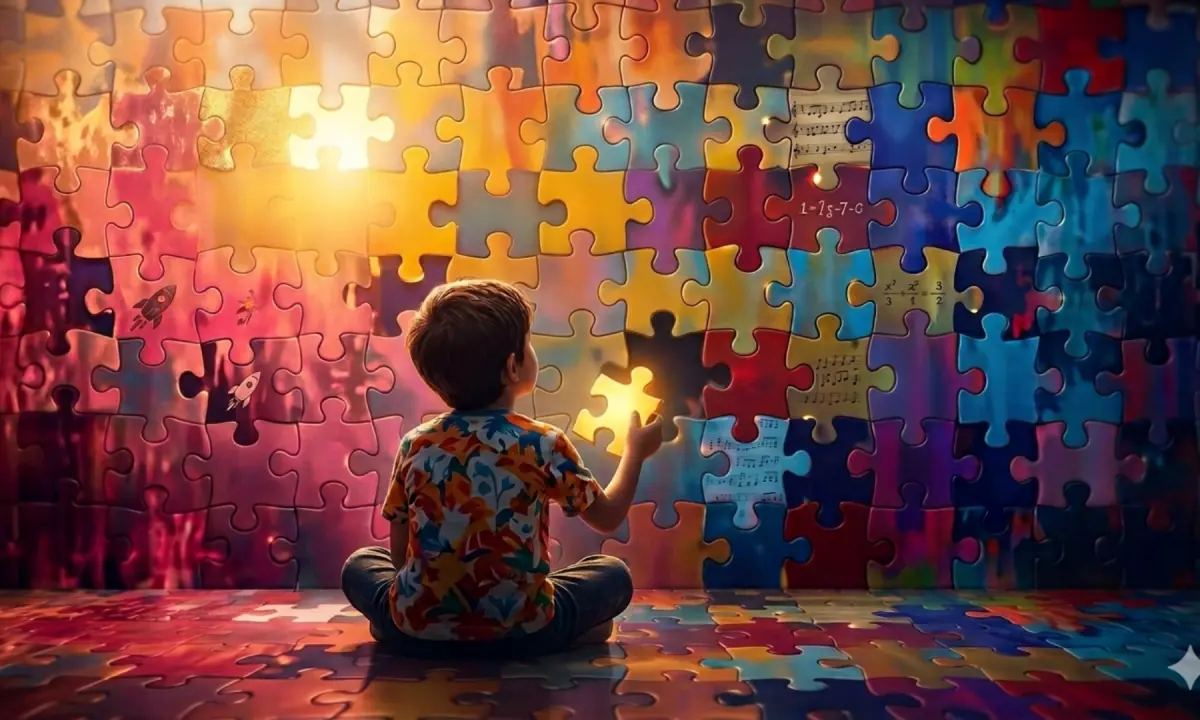
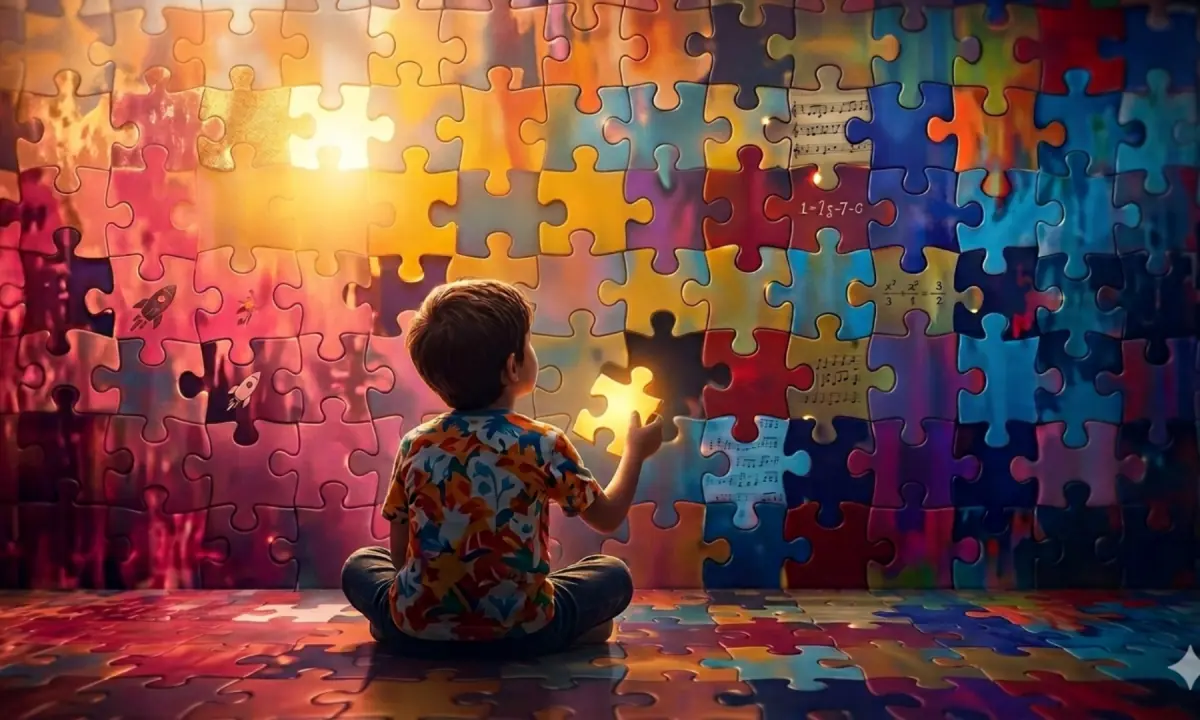
Header image: The image has been created via generative AI.