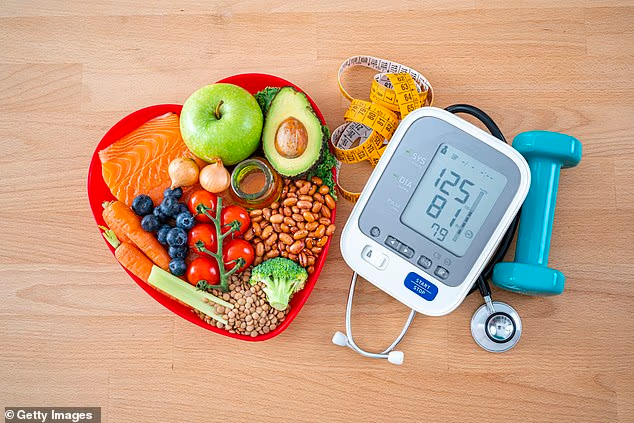
One in three adults in the UK has high blood pressure, a condition medically known as hypertension.
Often symptomless, it quietly wreaks havoc on the body, dramatically increasing the risk of heart attacks, strokes, kidney failure and even dementia.
Because it shows no warning signs, many people don’t realise they have it until serious damage has already been done. Yet if detected early, these dangerous outcomes are largely preventable.
NHS figures reveal a worrying trend: a quarter of young adults with hypertension aren’t getting it under control, compared with just one in seven older patients.
High blood pressure often runs in families, highlighting a strong genetic component. But experts emphasise that lifestyle and environmental factors play a major role – and there are simple, proven steps you can take to bring your numbers down.
Known as the ‘silent killer’, high blood pressure causes long-term damage to the body’s arteries. The constant pressure strains blood vessels, damaging their delicate inner lining, stiffening and narrowing them, and triggering inflammation.
‘This disrupts the function of vital organs, including the eyes, brain and sexual organs, and can cause permanent damage if left unchecked,’ warns Dr Teresa Castiello, NHS consultant cardiologist.
From subtle changes to your diet and daily routine to simple lifestyle tweaks, there are effective ways to reduce blood pressure – often without medication. Here’s what you need to know to protect your health before it’s too late.
One in three adults in the UK has high blood pressure, known medically as hypertension
It can cause vision loss
High blood pressure doesn’t just threaten your heart – it can quietly rob you of your vision.
The condition can severely damage the tiny, delicate blood vessels in the eye, leading to hypertensive retinopathy, blurred vision and, in some cases, permanent sight loss.
It can also trigger a build-up of fluid under the retina – known as choroidopathy – damage the optic nerve, and raise the risk of glaucoma.
Worryingly, these changes often develop without any obvious symptoms until the damage is already severe, making regular eye tests crucial.
Dr Ify Mordi, a British Heart Foundation Research Fellow at the University of Dundee and consultant cardiologist, said: ‘It may be surprising, but the eyes are a window to the heart.
‘If there is damage or narrowing of the blood vessels at the back of the eye, there is a good chance that will also be seen in the blood vessels deeper inside the body, including those supplying the heart – increasing the risk of a heart attack or stroke.’
It can lead to mini strokes
High blood pressure is known to play a role in causing dementia and damage to brain function.
The condition can lead to a mini-stroke, or transient ischaemic attack (TIA), caused by a temporary disruption in blood flow to the brain. Often linked to narrowed and damaged blood vessels, these episodes can pass quickly – but they are a major red flag.
Known as a ‘warning stroke’, a TIA frequently comes before a more serious, life-threatening stroke, making urgent medical attention critical. Experts say controlling blood pressure through medication and lifestyle changes is key to reducing the risk.
Research also shows the long-term impact can be profound. In a major study, scientists identified nine key areas of the brain damaged by high blood pressure, linking it to memory loss and declining thinking skills.
The damage disrupts vital connections between different parts of the brain – helping explain how the condition can lead to dementia, including Alzheimer’s disease. Experts believe the findings could pave the way for earlier detection and targeted treatments to slow or even prevent cognitive decline.
It can cause sexual dysfunction
One of the lesser talked about side effects of high blood pressure is sexual dysfunction – and it happens in both men and women.
Hypertension damages blood vessels and restricts blood flow to the genitals, which limits the ability to achieve or maintain erections. High blood pressure can also interfere with ejaculation.
For women, it can cause reduced lubrication, lower libido and difficulty achieving orgasm due to reduced blood flow to the vaginal area.
Certain medications used to treat high blood pressure can also contribute to the problem. Drugs like propranolol or metoprolol decrease heart rate and can block the nerve signals required for arousal.
How to bring your blood pressure down
Know your numbers
Experts say the first step is simple: know your numbers. Regular blood pressure checks – available at your GP surgery, many pharmacies, or even at home – can catch problems early.

This image is a blood pressure chart that displays blood pressure readings and their associated health risk categories
Measuring blood pressure produces two numbers: systolic – the pressure when the heart beats – and diastolic – the pressure between beats.
Anything above 140 (systolic) and 90 (diastolic) needs treating.
Routine eye tests are just as important, as opticians can spot early signs of damage before symptoms appear.
Opt for fermented foods
Fermented foods, including kimchi, kefir, sauerkraut and miso have long been known to be good for the gut.
But research has also found they can cause significant reductions in both systolic and diastolic blood pressure.
This is because they help break down fatty acids, which in turn can reduce cholesterol levels.
Research suggests the microbes they contain can boost the diversity of gut bacteria, improving digestion, strengthening the immune system and enhancing overall gut resilience.
The fermentation process can also increase levels of beneficial nutrients such as polyphenols, which help strengthen the gut barrier, support immune function and reduce toxins in the body.
There is also growing evidence of a link between gut health and heart health – often referred to as the ‘gut-heart axis’. One explanation lies in short-chain fatty acids, which are produced when gut bacteria break down fibre and have been linked to positive effects on cardiovascular health.
Try the DASH diet

The DASH diet is a simple eating plan proven to work in as little as three weeks
One of the most effective ways to lower blood pressure is the DASH diet – a simple eating plan proven to work in as little as three weeks.
Low in salt, sugar and saturated fat, but rich in fruit, vegetables, whole grains and lean protein, it helps relax blood vessels and reduce strain on the heart.
Studies suggest it can cut the risk of heart attack and stroke by up to 20 per cent – with most of the benefits seen within just a few weeks.
Experts say its appeal lies in its simplicity: rather than cutting foods out, it focuses on adding healthier options to naturally crowd out unhealthy choices.
Don’t underestimate the power of walking
You don’t need a gym membership to lower your blood pressure – even short bursts of movement can make a real difference.
Regular exercise strengthens the heart, helps the body use oxygen more efficiently and lowers blood pressure, while also reducing excess body fat linked to serious health problems.
The NHS recommends at least 150 minutes of moderate activity a week – but experts say it doesn’t have to be done all at once.
In fact, new research suggests even ‘exercise snacks’ – just five minutes of activity twice a day – can significantly boost heart health. These short bursts improve cardiovascular fitness, a key measure linked to a lower risk of heart disease, heart attacks and early death.
They’re easy to fit into daily life – whether it’s taking the stairs, going for a quick walk or simply moving more throughout the day.
Quit smoking
If you want to get your blood pressure under control, quitting smoking is one of the most powerful steps you can take. Research suggests it is responsible for nearly a third of all heart disease deaths and is a major driver of sustained high blood pressure.
Every cigarette triggers a spike in blood pressure, while toxic chemicals damage blood vessels, cause inflammation and accelerate the build-up of fatty plaque in the arteries. Over time, this makes clots more likely – dramatically increasing the risk of heart attacks and strokes.
For those already living with high blood pressure, the effect is even more dangerous, speeding up damage to the arteries and putting extra strain on the heart.
Professor Kunadian warns smoking is ‘like pouring fuel on the fire’, adding that the toxic chemicals inhaled have a direct and damaging impact on cardiovascular health.
The good news is that quitting can quickly start to reverse the damage, helping to bring blood pressure down and reduce your risk of life-threatening complications.
Cut down on alcohol
Experts recommend drinking alcohol in moderation to help prevent high blood pressure.
Research shows blood pressure rises with alcohol consumption, starting from as little as one glass of wine per day.
Drinking more than three drinks at a time can cause temporary spikes, while regularly having four or more can lead to long-term high blood pressure by interfering with the brain’s ability to regulate it.
Cutting back also supports weight loss, which further reduces blood pressure.
For many, completely avoiding alcohol may not be realistic but the risk increases with each drink, so limiting intake is key.
The British Heart Foundation advises sticking to the recommended 14 units a week and avoiding binge drinking to protect heart health.