Jeff Vierstra’s mother and two sisters all died following complications from ALS, or Amyotrophic Lateral Sclerosis, but the scientist and skier is hoping an experimental treatment and the first known attempt to prevent the neurodegenerative disease can help save his life.
Vierstra was only two years old when his mother died. All her siblings also died of ALS in their late thirties and early forties.
The 41-year-old tells CBS News he isn’t afraid to ski down an iceberg off the coast of Chile or skydive over British Columbia — what does frighten him is his family history. Vierstra and his sisters, Erin and Leigh, all tested positive for a mutation of a gene called “FUS” that is crucial for normal cell function, especially nerve cells. The mutation made it likely they would develop ALS.
Jeff Vierstra 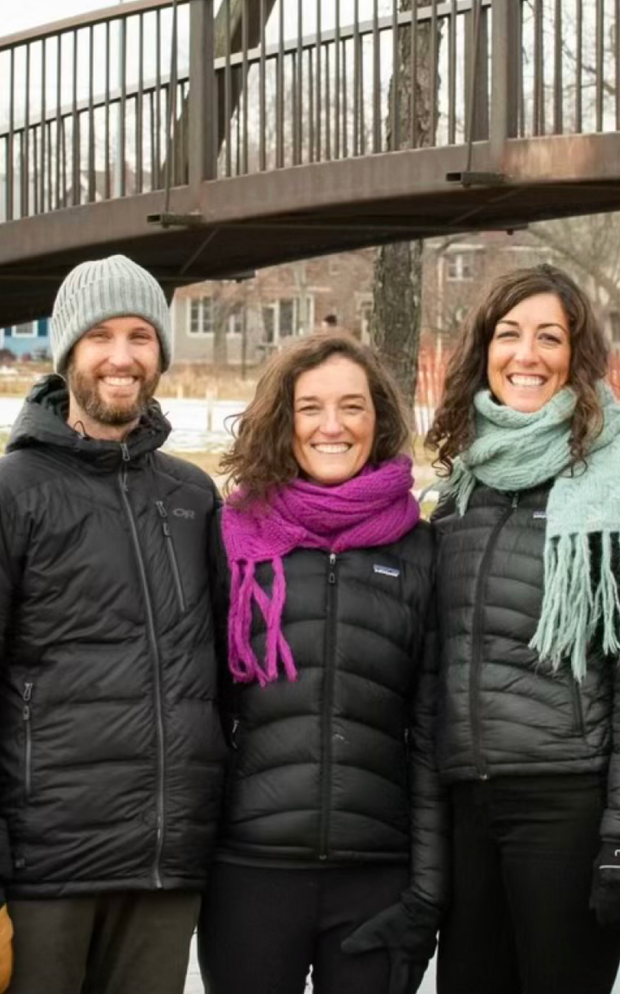
“Living with that sort of like cloud over you is like mentally and emotionally like really difficult,” Vierstra said.
About 10 to 15% of all patients with ALS have a genetic form of the disease, research shows. About two-thirds of those genetic forms are familial, meaning multiple generations of the family have been affected, according to Dr. Neil Shneider, a Columbia University neurologist who studies genetic forms of ALS.
An estimated 35,000 people in the United States are living with ALS, also known as Lou Gehrig’s disease, according to the Centers for Disease Control and Prevention. ALS causes progressive degeneration of motor neurons, the nerve cells that control the movement of muscles. Over time, a patient loses the ability to walk, talk and, eventually, to breathe.
Right now, there is no cure, but researchers around the world are working on new treatments. That includes an experimental approach being pioneered at the Eleanor and Lou Gehrig ALS Center at Columbia University for a rare genetic form of the disease.
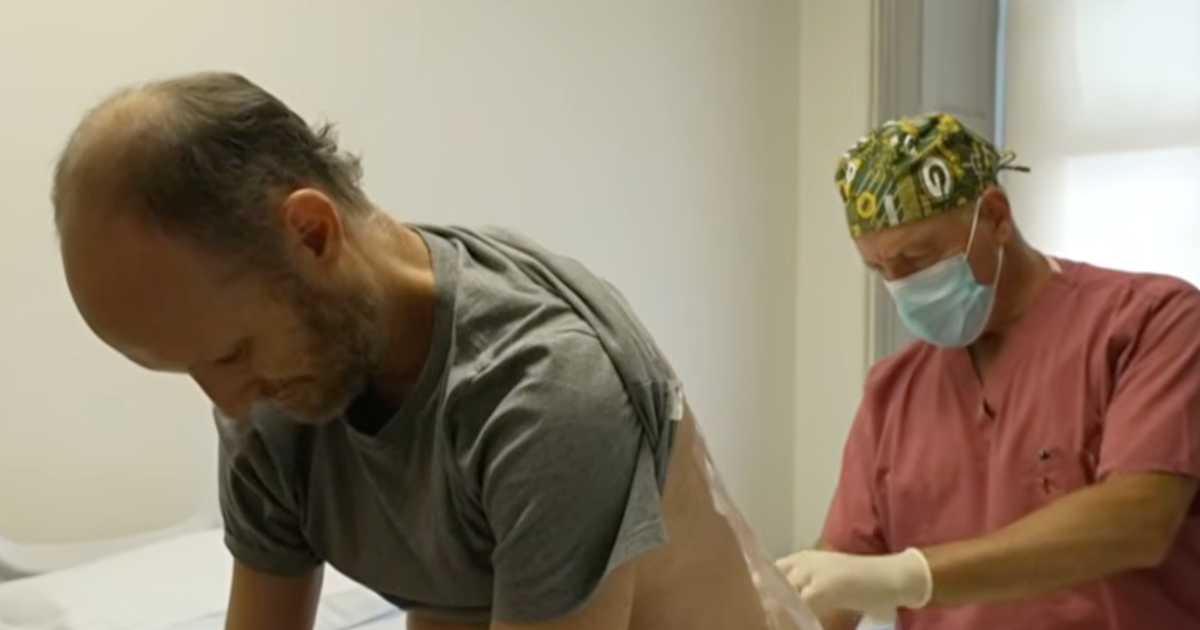
Both of Vierstra’s sisters began developing symptoms of ALS and they took part in a clinical trial at Columbia University for an experimental treatment targeting the mutated gene. Dr. Shneider, the neurologist leading the trial, also examined Vierstra and found abnormalities on EMG (electromyography), which examines electrical signals in muscles.
“It was a difficult moment,” said Dr. Shneider. “We thought this meant that this was an early sign of disease onset and that he was at risk for developing full blown disease.”
Dr. Shneider offered Vierstra the same experimental treatment given to his sisters in an attempt to prevent ALS. Vierstra wanted to be proactive, and said, “I jumped at the opportunity to do that.”
Every few months for the past three years, Vierstra has been receiving infusions in his spine that target and disable the mutated gene. While both of his sisters eventually developed complications of ALS and died, Vierstra saiก he felt the treatment “extended their life.”
CBS News 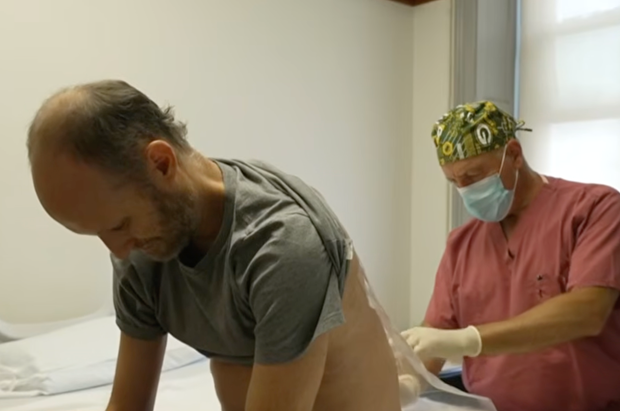
After one year, the previous mild abnormalities seen on his muscle testing had normalized.
Vierstra has not developed ALS and is outliving many of his family members. Dr. Shneider believes the research is “a very big deal,” and added, “I think there’s real hope and opportunity to make this a liveable disease, one that isn’t fatal.”
As Vierstra continues to work as a scientist as well as ski, hike and travel the world, he says he feels like he’s getting another lease of life.
“And maybe this actually is working for me and I can start thinking about the future, and I otherwise couldn’t have,” Vierstra said.
Dr. Shneider hopes the insight learned from research on familial forms of ALS will eventually help people with non-familial forms. He and the ALS Center at Columbia University are working to extend their research beyond FUS-ALS. To inquire about possible participation in Silence ALS, an initiative to develop individualized gene-based therapies for patients with other rare genetic forms of ALS, contact silenceals@cumc.columbia.edu.