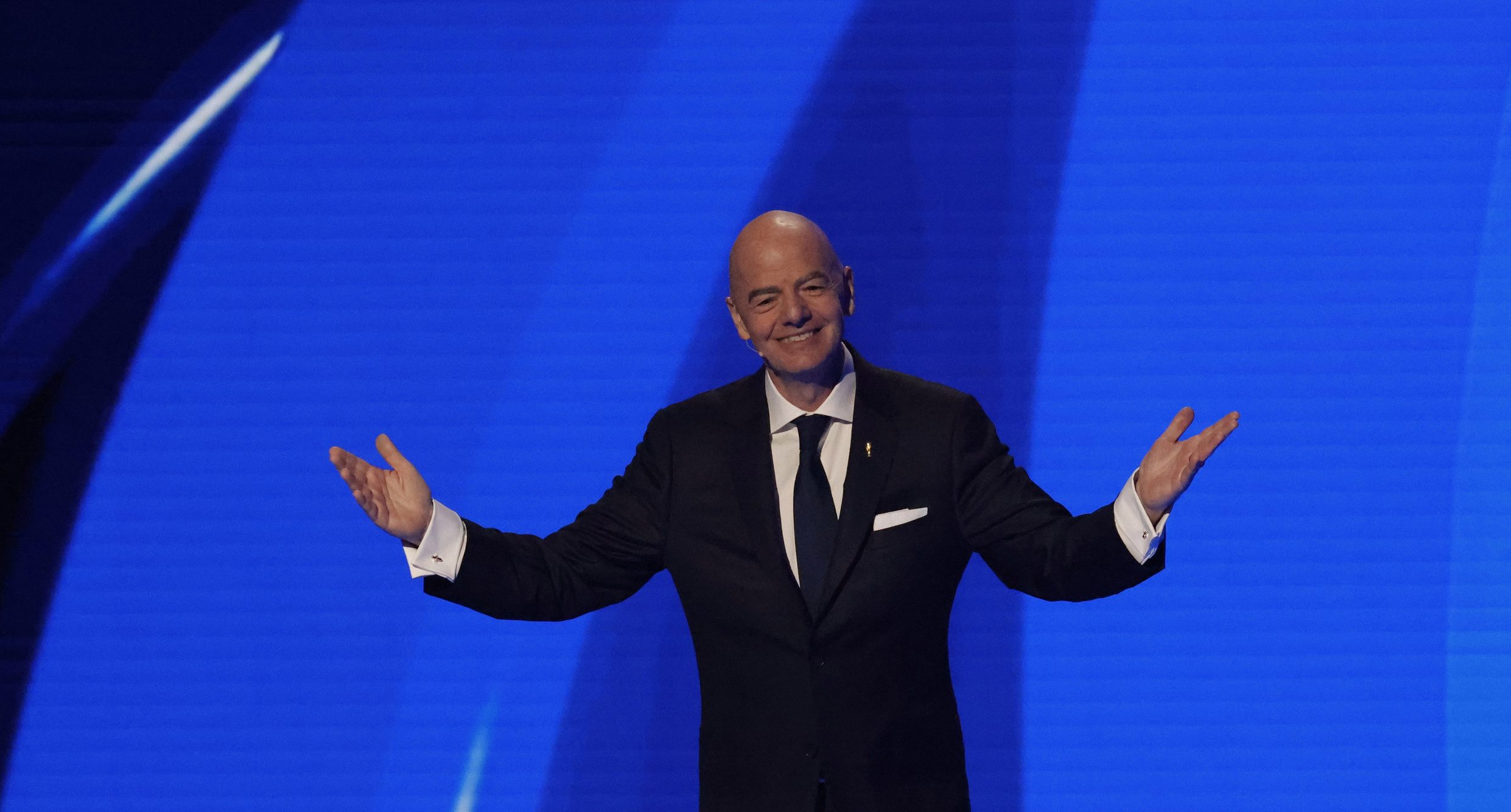
You’re never gonna believe this, but it sounds like FIFA is doing something shady.
Earlier this week, FIFA named Adi Predictstreet as the official prediction market partner for the 2026 World Cup.
Prediction markets are a booming business, especially when it comes to markets around sporting events. It was a foregone conclusion that an entity like FIFA would want to get in on that action, given the likely billions of dollars at stake in these highly lucrative and highly controversial platforms.
One might have assumed that a recognizable name like Kalshi or Polymarket (which just announced a partnership with LaLiga) would have snagged this partnership. Instead, it’s a company about which not much is known, and what is known makes it sound like they’re in no position to be the official prediction market for one of the world’s largest sporting events.
“Thanks to this collaboration, fans will be able to participate in dynamic prediction-based experiences on ADI Predictstreet’s platform, which will leverage FIFA’s official historical data,” read the announcement of the deal. “Supporters will have the opportunity to forecast match outcomes, tournament statistics, standout players, and key moments, enhancing their connection to the FIFA World Cup through informed interaction.
Norwegian investigative magazine Josimar published a report on Monday that provided some troubling details about FIFA’s mysterious new partner. According to Samindra Kunti’s report, Adi Predictstreet, which is backed by the Abu Dhabi royal family, has no working product and is currently unlicensed in almost every jurisdiction. Its only operating license, in Gibraltar, was obtained just days before the FIFA deal was announced.
Furthermore, Ajay Hans Raj Bhatia, the market’s Principal Council Member, reportedly paid a six-figure settlement to India’s Securities and Exchange Board of India (SEBI) over allegations of insider trading last year. Bhatia was pictured with FIFA President Gianni Infantino in FIFA’s press release celebrating the deal.
From the user’s perspective, this feels like a real use-at-your-own-risk situation, given the company’s newness and lack of regulation, especially with the worldwide platform this nascent company is about to be given. From a broader perspective, this seems likely to add to the Wild West mentality that prediction markets seem to have, and one wonders whether any potential problems or controversies that happen here will end up serving the U.S. states and politicians actively pushing back against the meteoric rise of these unregulated markets.