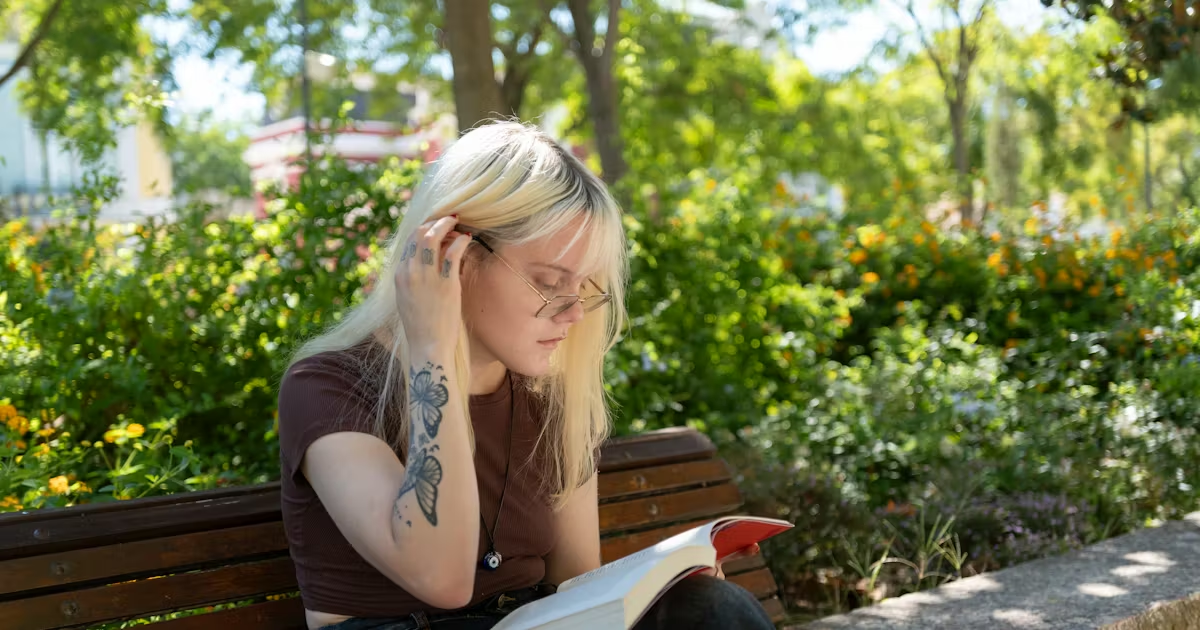
Nothing gives you a boost of dopamine quite like scrolling social media. As you laugh at memes and tap on posts, the rewarding hormone lifts your mood and encourages you to come back for more. Shopping works like this, too. It’s fun to add items to your cart, hit “buy now,” and track them on their way to your house.
The only problem? These quick hits of dopamine rarely last long. Before you know it, you’re back to baseline — or feeling even lower than before. It’s why the concept of “slow dopamine” is trending on TikTok. Creator @olivia.unplugged says she’s seeking out “slow dopamine” as a way to rewire her brain so it doesn’t crave these “faster” types of dopamine. Switching up how you seek happiness can make you feel more grounded and content, and it can even prevent burnout.
The idea is to do things that require patience and effort so you feel better for longer, instead of chasing those speedy spikes. It’s all about the delayed reward. If you typically scroll or shop — two frenetic pastimes that instantly light up your brain — you’d choose something gentler instead. Think gardening, walking, meditating. Sometimes you can go even slower than that: learning an instrument or watching an entire sunset from start to finish, instead of just snapping a quick pic and walking away.
In another clip, creator @genevavanderzeil said you can revel in slow dopamine by “getting out of your head and into your hands.” By that, she meant doing hands-on crafts and projects as a way to opt out of fast dopamine ups and downs, and feel more grounded. Here’s what to know.
Chasing That Dopamine
The slow dopamine trend is similar to the “low dopamine” trend, which is about stepping away from things that trigger dopamine altogether as a way to take a break. It might look like making tea in the morning instead of reaching for your phone or reading a book instead of watching TV.
Slow dopamine, on the other hand, is about partaking in satisfying habits and hobbies that make you happy, but choosing ones that take a while to complete in an effort to draw out the process. The fact the reward isn’t instantaneous is all part of the plan.
According to somatic therapist Chloë Bean, LMFT, dopamine is involved in the brain’s reward center. “People think of it as the ‘feel-good’ chemical, but it’s more about anticipation, drive, reinforcement, and it’s what makes us want to repeat something rewarding,” she tells Bustle. It’s why you naturally seek out things that feel satisfying.
The big, modern ways to get it are: scrolling, online shopping, caffeine, gambling, marathoning TV shows, checking texts, dating apps, notifications, and constantly looking for novelty and validation, she says. “A lot of these are easy, immediate, and available at any moment,” she adds. Because they’re so rewarding, you can get stuck in a loop of constant stimulation — and feel super bored without them. Your brain gets used to the never-ending fun, and that can make you feel disconnected and burnt out.
Can “Slow Dopamine” Make You Happier?
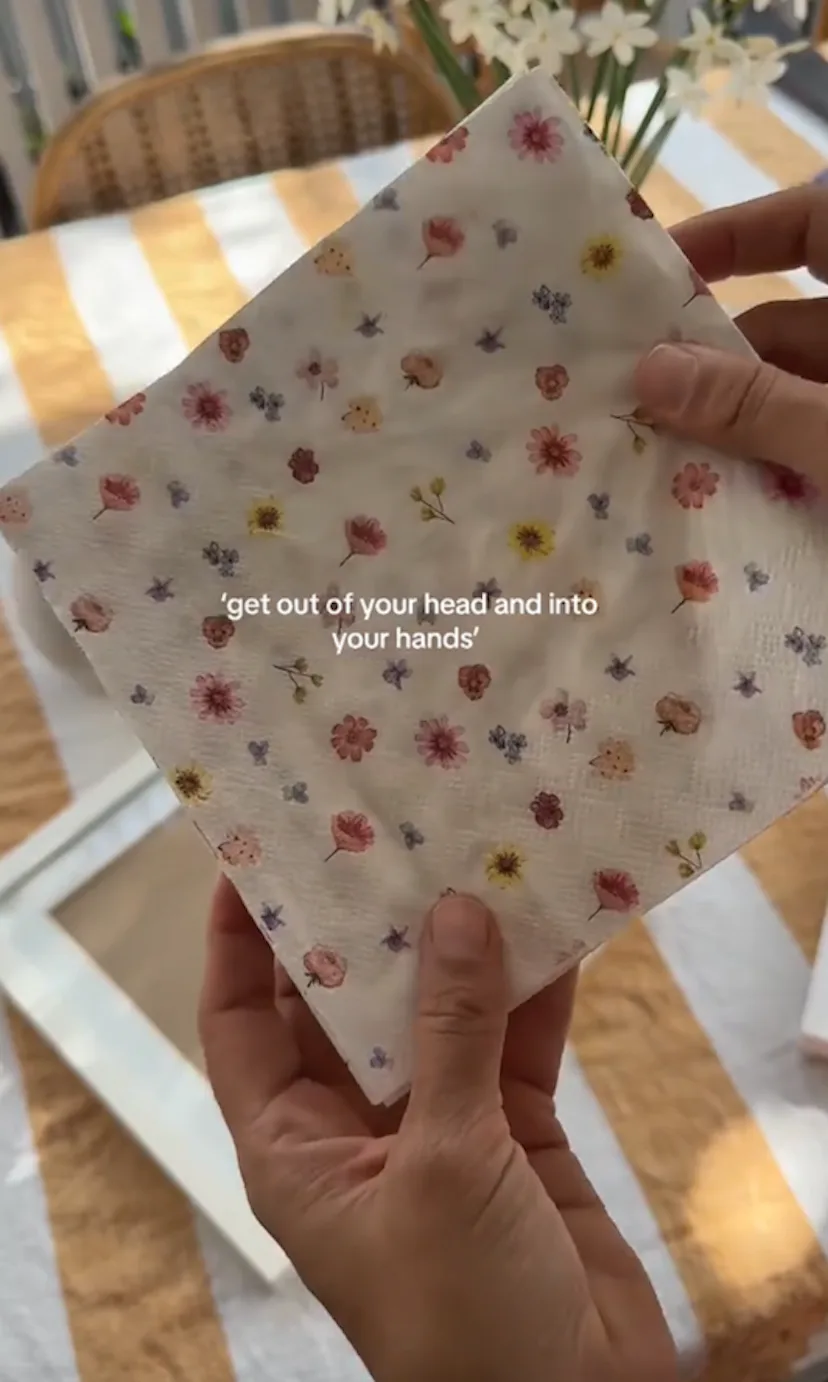
Want some slow dopamine? Making art, going for a long walk, tending to a garden, cooking a whole dinner, and learning something new all fall into this category.
Slow dopamine can also come from finishing a puzzle over the course of a few weeks, completing a long-term craft like knitting or crocheting, or taking a long, meandering, silent walk. On TikTok, @oliviaunplugged says she jots down notes while she watches interesting videos on her phone. That way she slows down the process of scrolling — and learns something, too.
“These activities tend to involve presence, curiosity, and consistency, so the reward becomes the practice of showing up,” Bean says. “In real life, ‘slow dopamine’ is basically another way of talking about more sustainable and grounded pleasure instead of constant micro-rewards that you need to keep chasing.”
“Over time, this can support a greater sense of steadiness.”
While those fast dopamine spikers, like scrolling, drinking lots of coffee, and texting, aren’t necessarily “bad,” they also aren’t ideal if your nervous system is already overloaded. “This constant quick-hit coping keeps you in a cycle of chasing relief instead of actually restoring yourself,” Bean says. “It can be exhausting over time.”
Adding more slow, effort-based rewards to your day is a way to pull yourself out of autopilot. It’s also about getting back into body-based activities that feel regulating, meaningful — and even energizing. “Over time, these things can support a greater sense of steadiness, satisfaction, and meaning to your life, which is very different from the ‘chase and crash’ that often comes with burnout,” Bean says. With slow dopamine, it’s all about rebuilding your experience with happiness, connection, and rest.
Source:
Chloë Bean, LMFT, a somatic trauma therapist in LA