The worst has happened: the military plane you are flying has gone down, and you are now on the ground in unfamiliar (or even worse, enemy) territory. You need to find your way to safety so your side can use a military helicopter designed for rescue missions or other aircraft to extract you before the enemy captures you or nature takes its course. Fortunately, you are not up the creek without a paddle.
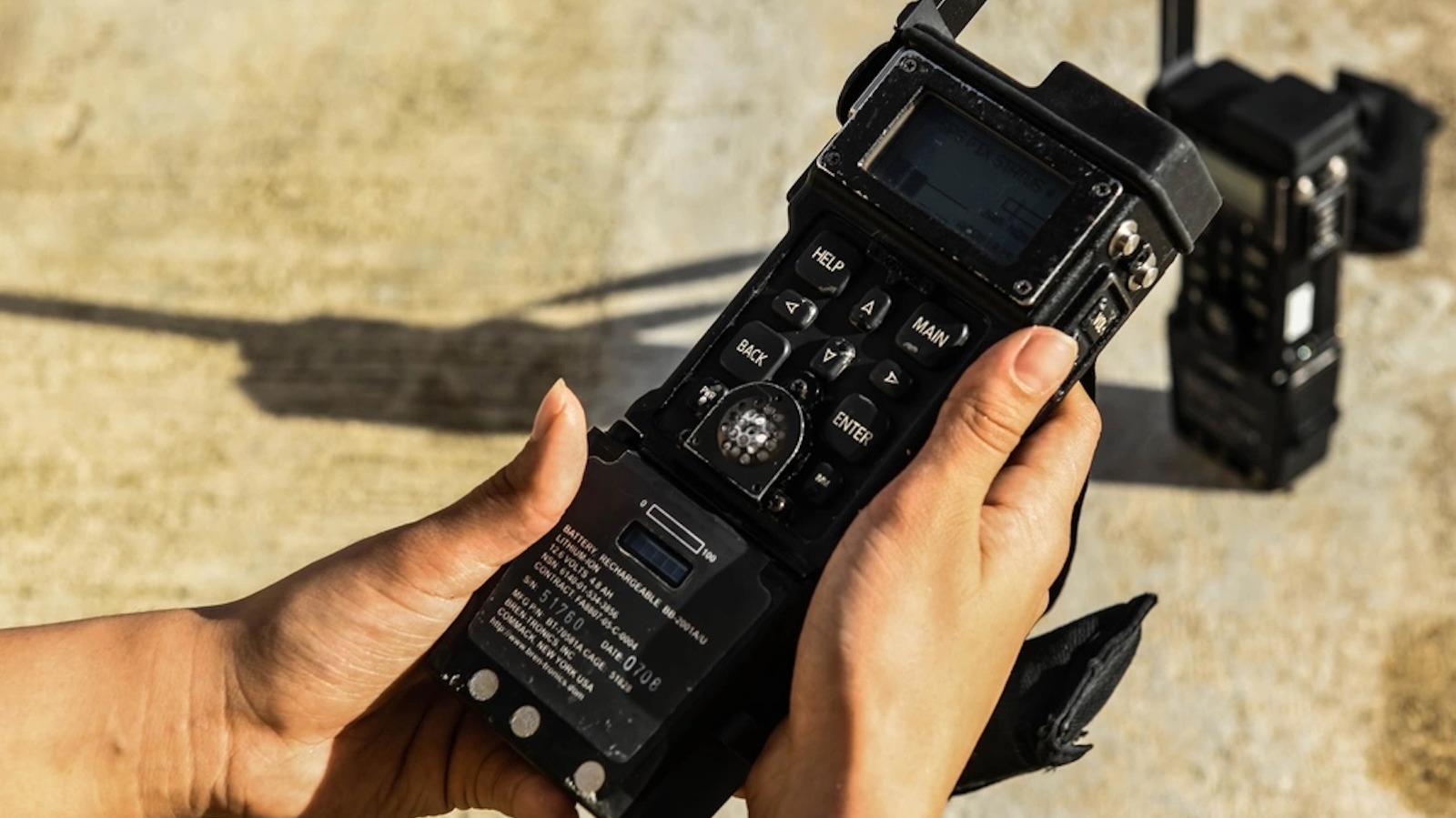
In 2009, the Boeing-developed Combat Survivor Evader Locator system, or CSEL, entered active service. As the name implies, it’s a device to help combat pilots survive. The handheld system is essentially a secure communicator and GPS device rolled into one.
Using the CSEL, pilots are able to securely communicate with rescue parties and relevant personnel to get back to safety. According to Boeing, it’s able to communicate with multiple satellite networks to get the message across. It’s touted as a “global 911 emergency call system for downed personnel.”
Getting out of danger
Naval Air Systems Command says that the CSEL can also transmit through UHF and VHF and is additionally preloaded with 23 messages for a pilot to send if they don’t have the ability to talk. Giving pilots a Swiss Army knife of a communicator is vital to ensure that even after losing a plane, they’re still able to come home.
Pilots and rescue air crews are extensively trained on how to operate the CSEL and integrate it into rescue efforts. During the current war with Iran, a crew member of a downed F-15E Strike Eagle used their CSEL to coordinate a rescue and was successfully brought home.
Even though pilots fly multi-million dollar machines several thousand feet above the action, they’re never out of danger, and having a device like the CSEL ensures that they at least have a fighting chance of getting home safely if the mission isn’t successful.