Mayor Zohran Mamdani’s administration has inked a new nearly $1.9 billion contract with the city’s hotel industry to provide emergency shelter to homeless families over the next three years, The Post has learned.
The massive $1.86 billion deal comes despite the Big Apple no longer being heavily burdened by the migrant crisis that led then-Mayor Eric Adams to turn scores of hotels into temporary shelters to house the thousands of new arrivals.
Mamdani also recently announced the shutdown of Manhattan’s largest men’s shelter — the city-owned 250-resident Bellevue facility on 30th Street.
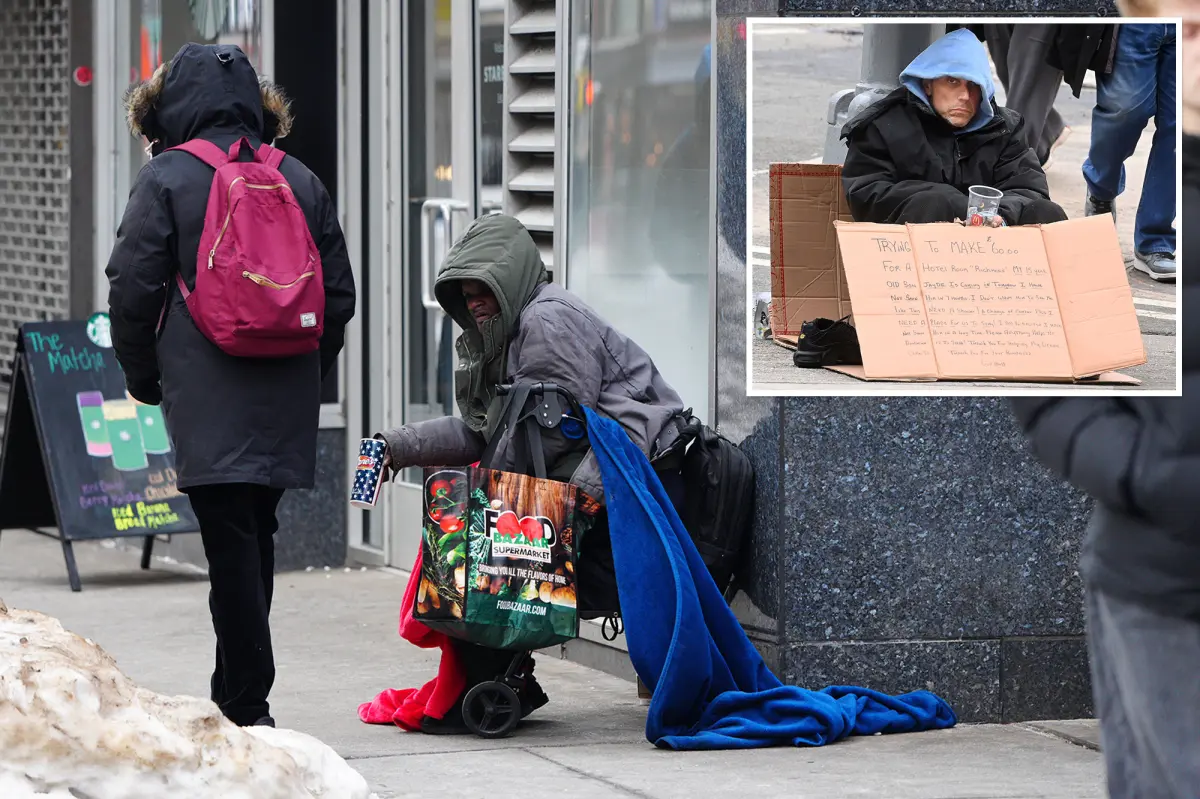
But even with the ebbing influx of migrants, the city is still grappling to shelter more than 100,000 people a night — the highest level since the Great Depression of the 1930s, according to the advocacy group Homes for the Homeless.
At least 15 people froze to death outside during the winter’s cold snap in late January into February.
The city Department of Homeless Services’ three-year contract is with the Hotel Association of New York City Foundation, representing nearly 300 of the Big Apple hotels.
“The contract is for emergencies not migrants, and allows capacity to be created as-needed and the budget depends on that need,” said Vijay Dandapani, president and CEO of the Hotel Association.
But one government watchdog said relying so heavily on hotels was a mistake.
“It’s bad precedent. It’s basically a no-bid contract,” said Nicole Gelinas, a senior fellow at the Manhattan Institute think tank.
“This is no longer using hotels for short-term emergencies,” she said. “If we’re going to use hotels for shelter, they should compete against each other for price and not act as a cartel.”
New York City has among the highest hotel rates in the country — and taking thousands of rooms offline doesn’t help make the tourist-reliant metropolis more affordable, Gelinas noted.
DHS currently has a $929 million contract with the Hotel Association, running from Jan. 1, 2025, to June 30, providing up to 10,651 hotel rooms for homeless families.
More than $626 million has already been paid out, according to the city comptroller’s office.
A spokesperson for the hotel industry said it was helping the city address a serious homelessness problem and that hotels on the market offer a wide range of lodging prices.
A 1981 “right to shelter” consent decree entered into by the city requires officials to provide shelter to all those who need it.
The city used to deal with individual hotels on providing emergency shelter. But it began contracting with the Hotel Association during the COVID-19 pandemic to immediately provide thousands of rooms to help contain the deadly once-in-a-century outbreak.
The contracts continued flowing to the hotel industry group during the migrant crisis.
Mamdani, when he took office, ordered the DHS to start dismantling the separate hotel-reliant migrant shelter system — while simultaneously letting asylum seekers continue staying in city shelters without time limits, reversing an Adams policy.
DHS no longer oversees any hotels or other shelter sites dedicated solely to asylum-seekers, an agency spokesman said.
DHS spokesman Nicholas Jacobelli said the city expects to pay less than the $1.86 billion value of the renewed contract over three years.
“The agency ultimately pays based on utilization so, as we move to phase out the use of emergency commercial hotel facilities, we expect actual spending to remain below that maximum,” he said.
DHS is focusing on Mamdani’s executive order to end reliance on hotels to serve families with children because those facilities lack the full array of amenities that traditional DHS family shelters provide, he said.
But he said the “transition will take time” to bring more capacity online and in the interim “we must maintain an adequate stock of shelter units to comply with the city’s right to shelter mandate.”
“It’s also important to have a pathway to quickly open additional shelter units outside the DHS system in the case of emergency /exigent circumstances (as we saw during the COVID/asylum seeker crises),” Jacobelli said.
“This contract allows us to meet the demand for shelter and maintain services for clients as we phase out the use of hotels while also remaining prepared for emergency situations.”
An advocacy group combating homelessness said the reliance on hotels was an unfortunate necessity.
“The City’s use of hotels to serve as emergency shelters is obviously far from ideal. But given that the City has both a legal and moral obligation to provide shelter to all in need of such, they must make sure that they have enough beds,” said David Giffen, executive director of the Coalition for the Homeless.
“The 20 tragic deaths on the streets that we witnessed in last month’s frigid weather illustrate how important it is that we make sure no one has to sleep outside, exposed to the elements,” he said.
“The best way to end the use of hotels is to dramatically reduce the number of people who need shelters in the first place by building more housing that’s actually affordable to the lowest-income New Yorkers.”