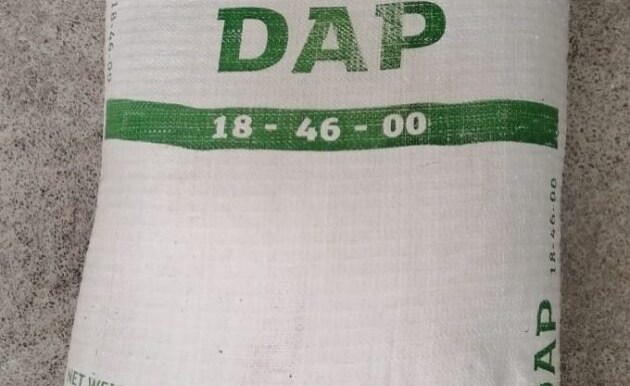
Nairobi — Kenya could face a fertilizer shortage following disruptions along the Strait of Hormuz amid the ongoing Middle East conflict, the United Nations Conference on Trade and Development (UNCTAD) has warned.
According to UNCTAD, about 26 percent of Kenya’s fertilizer imports pass through the narrow channel between Oman and Iran, raising concerns over supply constraints and potential price increases as the planting season begins.
“About one third of global seaborne fertilizer trade, roughly 16 million tonnes, passes through the strait,” UNCTAD said, warning that disruptions could hit some of the poorest countries hardest.
The analysis shows countries such as Sudan and Sri Lanka face even greater exposure, with 54 percent and 36 percent of their fertilizer imports respectively routed through the strait.
The Strait of Hormuz is a critical global trade route, handling about 20 percent of global energy supplies, with oil and gas shipments forming the bulk of traffic.
Shipping activity has dropped sharply, with vessel movements declining from about 100 ships daily before the conflict to just one or two tankers by mid-March 2026 due to security concerns.
The disruption is expected to tighten global supply chains, potentially pushing up fertilizer costs and affecting agricultural productivity in import-dependent countries like Kenya.