Compass International chairman and CEO Robert Reffkin discusses home inventory and affordability as mortgage rates creep higher on ‘The Claman Countdown.’
Mortgage rates spiked this week as the conflict in Iran continues to weigh on markets, mortgage buyer Freddie Mac said Thursday.
Freddie Mac’s latest Primary Mortgage Market Survey, released Thursday, showed the average rate on the benchmark 30-year fixed mortgage rose to 6.38% from last week’s reading of 6.22%.
The average rate on a 30-year loan was 6.65% a year ago.
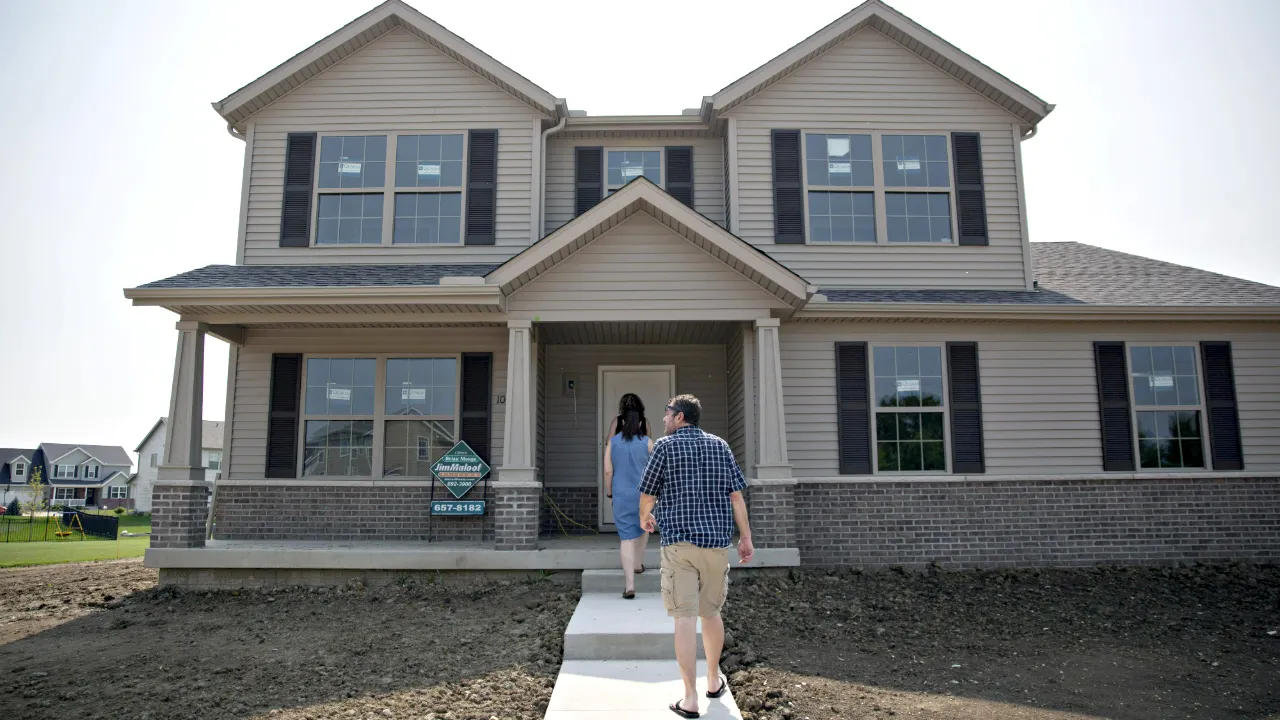
The average rate on the 30-year fixed mortgage jumped to 6.38% this week. (Daniel Acker/Bloomberg via Getty Images)
“The housing market continues to show gradual improvements compared to a year ago amid recent rate volatility,” said Sam Khater, Freddie Mac’s chief economist. “Purchase and refinance applications are up year-over-year.”
MIAMI OVERTAKES LOS ANGELES AND NEW YORK AS WORLD’S RISKIEST HOUSING MARKET FOR BUBBLE RISK
The average rate on a 15-year fixed mortgage climbed to 5.75% from last week’s reading of 5.54%.
GET FOX BUSINESS ON THE GO BY CLICKING HERE
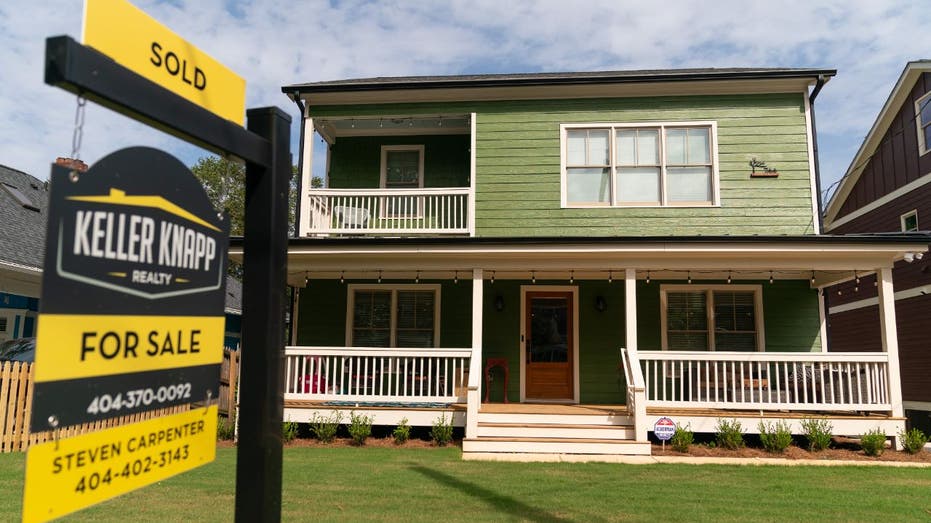
The conflict in the Middle East is contributing to the spike in mortgage rates. (Elijah Nouvelage/Bloomberg via Getty Images)
Mortgage rates are affected by several factors, including the Federal Reserve and geopolitics. Though mortgage rates are not directly affected by the Fed’s interest rate decisions, they closely track the 10-year Treasury yield. The 10-year yield hovered around 4.38% as of Thursday afternoon.
“The 10-year Treasury yield has been growing as fears of rampant inflation stemming from the war spook bond investors, and this upward pressure in the debt market is driving mortgage rates higher,” said Realtor.com senior economist Joel Berner.
Berner said that the ultimate impact on mortgage rates depends on how long oil prices remain elevated.
“Energy prices ripple through the rest of the economy, as they impact the cost to produce and deliver any physical good,” he said. “Fears that price levels in the future will rise make tomorrow’s money worth less and make borrowing money today (such as to buy a home) more expensive.”