On the 32nd day of the US-Israel war against Iran, the evolving dynamics of the conflict reinforced the sense that it has become a deep war of attrition, where sustained allied military pressure on Iranian infrastructure has so far failed to deliver it a clear strategic advantage. Meanwhile, Tehran’s ability to impose asymmetric costs, particularly through maritime disruption and coordinated proxy action, has continued to shape the broader trajectory, leaving diplomatic efforts active but stalled amid maximalist positions on both sides.
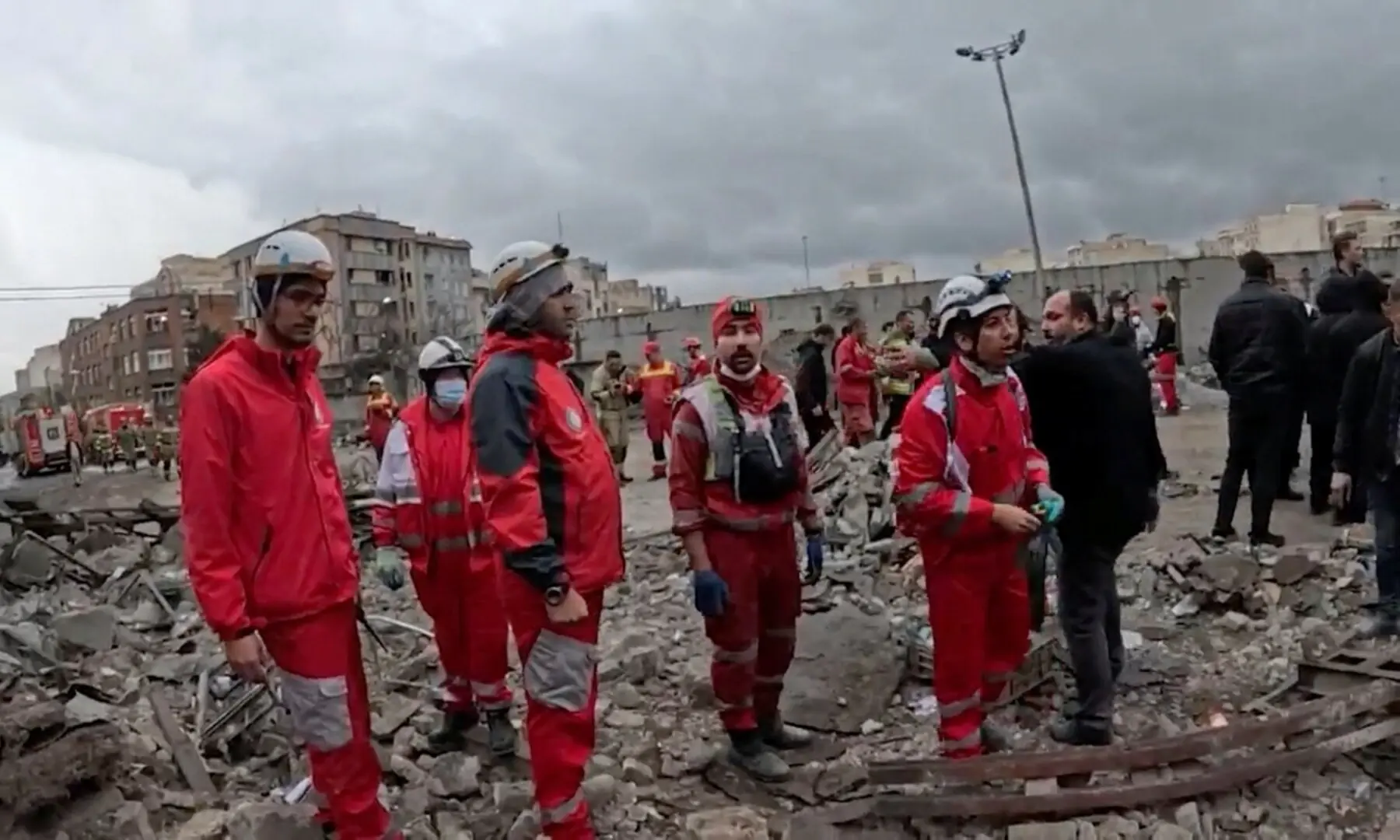
Over the past 24 hours, US and Israeli forces intensified precision and standoff strikes, with bunker buster munitions targeting Iran’s Isfahan region, including the Badr military airbase and an adjacent ammunition depot, which triggered large secondary explosions.
Power outages were also reported in parts of Tehran, as Washington projected confidence that a significant portion of Iran’s air defence and missile infrastructure has been degraded.
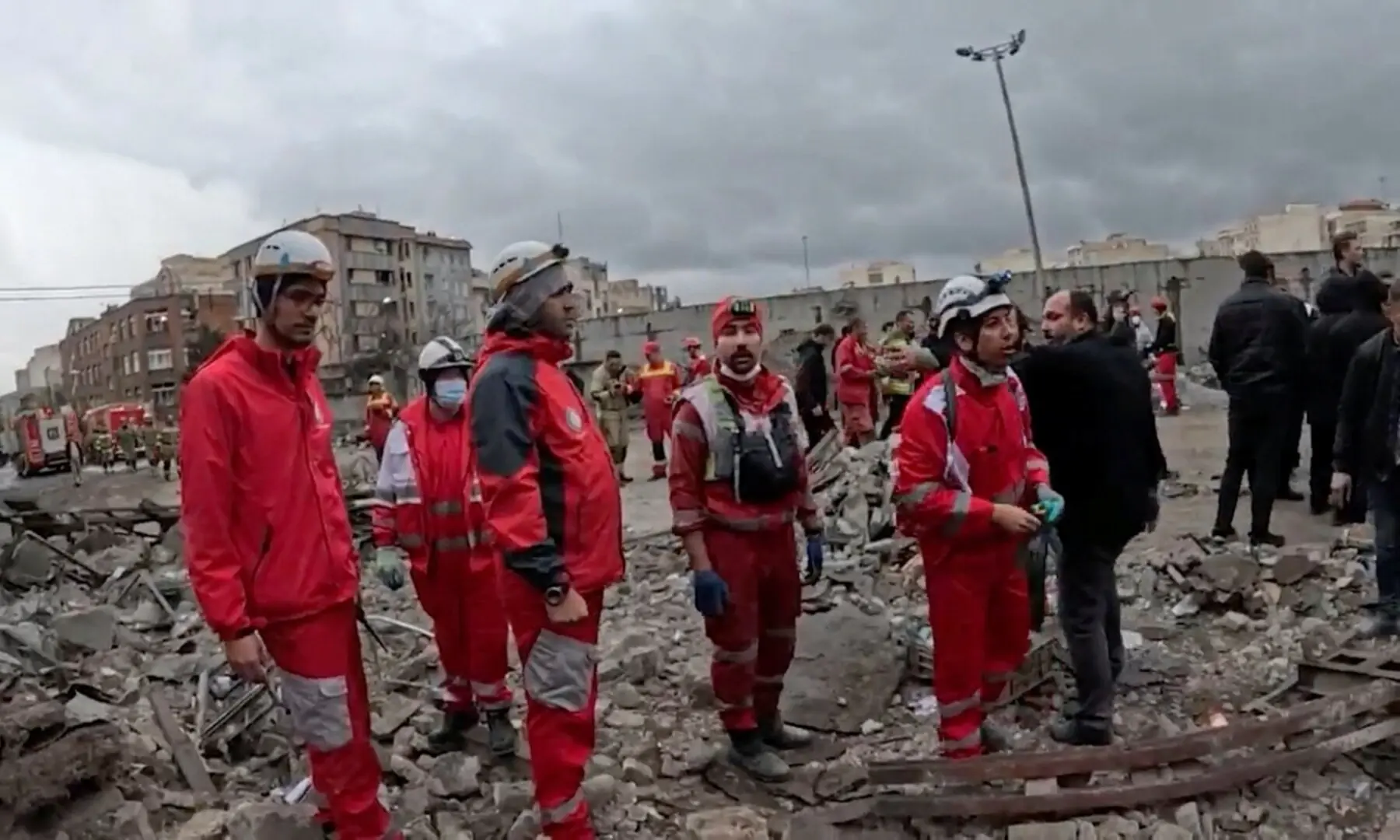
Iran, for its part, maintained a calibrated but persistent response pattern, combining direct missile and drone activity with maritime and proxy actions. Most notably, a strike on a Kuwaiti-flagged oil tanker near Dubai caused a major fire and oil spill. This incident underscored Tehran’s willingness to widen the economic dimension of the conflict by targeting energy flows beyond the immediate battlefield.
The Islamic Revolutionary Guard Corps, meanwhile, claimed the downing of at least one US MQ-9, and according to some reports, two Reaper drones over Isfahan and the execution of strikes on US facilities in the Gulf as part of what it described as continued waves of its retaliatory campaign.
The maritime domain remained central to the evolving dynamics, with traffic through the Strait of Hormuz still running at more than 90 per cent below normal levels, effectively paralysing one of the world’s most critical energy chokepoints.
Iran, in the meantime, has moved to formalise a new regulatory regime involving tolls and selective access restrictions for vessels linked to the US and its allies, signalling its intent to convert temporary disruption into a more enduring strategic lever.
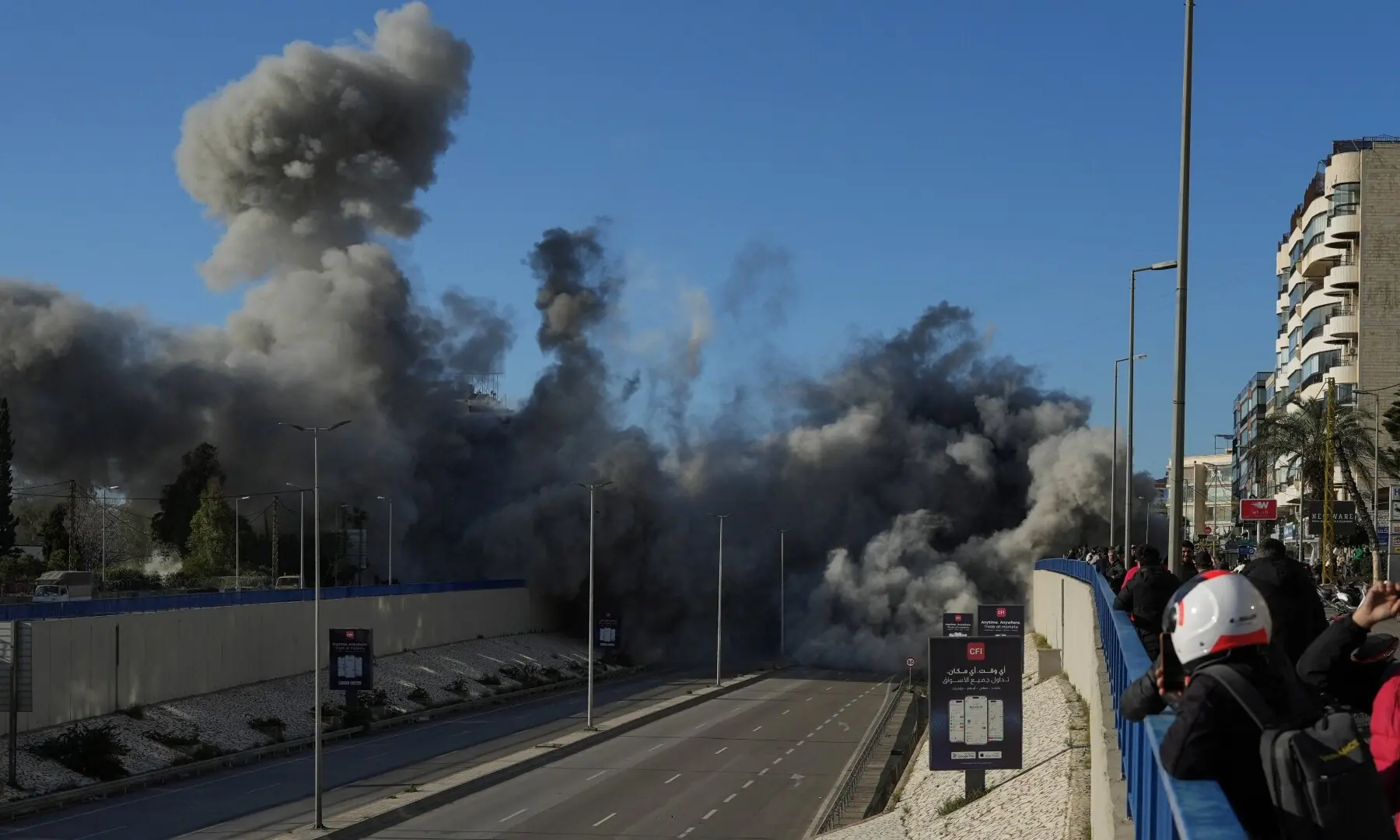
On the northern front, Israeli military operations in southern Lebanon expanded both in scope and intensity, with ground incursions and airstrikes pushing toward the Litani River as part of its efforts to establish a buffer zone.
Hezbollah, meanwhile, on its part sustained a high operational tempo, claiming dozens of attacks in the past 24 hours, including rocket and drone strikes into northern Israel and anti-tank ambushes against advancing forces. The fighting along the Israel-Lebanon border has projected Hezbollah as the most active and capable proxy front in the conflict.
Elsewhere, the conflict continued to spill across multiple theatres, with Iranian-backed groups in Iraq maintaining pressure on US positions through intermittent drone and rocket activity, and Israeli strikes from Syria against Hezbollah triggering retaliatory Iranian drone attacks on Syrian military sites.
In Bahrain, renewed protests following the death of an activist in custody were met with a heavy security crackdown involving Jordanian security personnel. The protests point to the growing domestic vulnerabilities among Gulf states aligned with Washington.
Diplomatic signalling has remained active but showed little sign of convergence, with the US administration maintaining a dual posture of openness to talks, while simultaneously threatening expanded strikes on Iranian energy infrastructure if the Hormuz situation is not resolved.
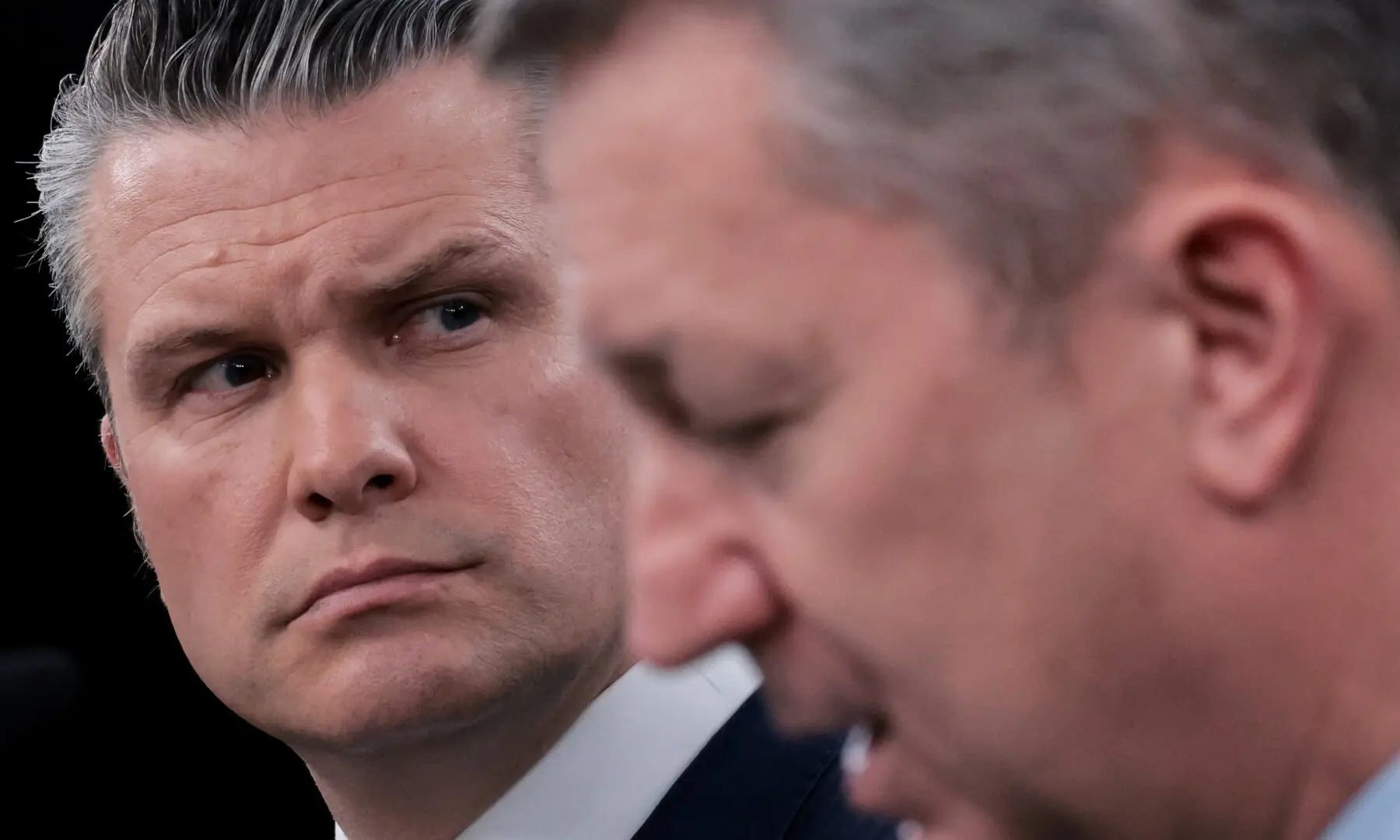
Tehran, on the other hand, has maintained its rejection of the reported US 15-point framework as excessive and unacceptable, and has continued to insist on terms that prioritise sovereignty, security guarantees and recognition of its regional position.
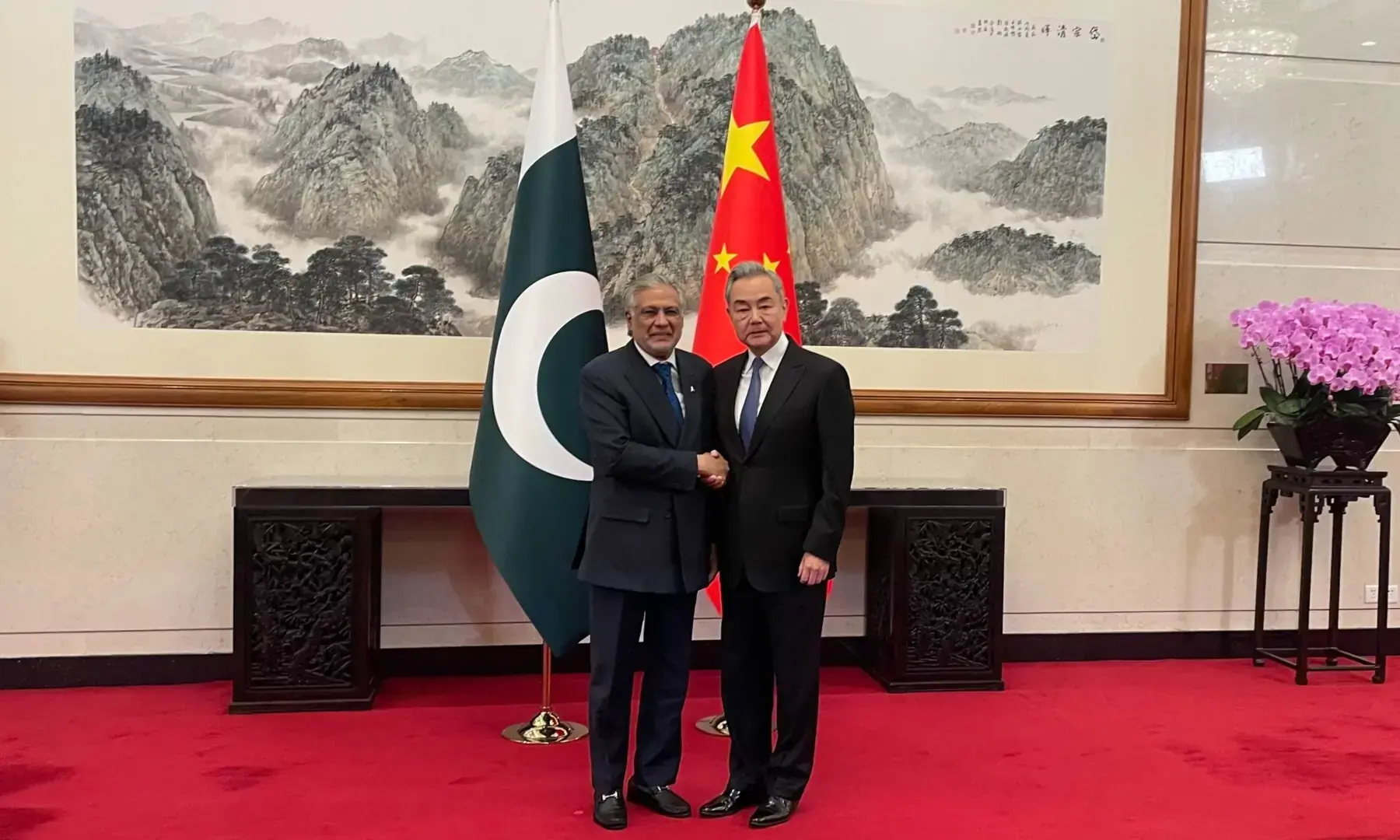
The meeting between Pakistan and China’s foreign ministers in Beijing produced a joint five-point initiative for restoring peace and stability in the Gulf and the Middle East. The outcome of the meeting suggests that a coordinated diplomatic push will be made by Islamabad and Beijing to open space for US-Iran dialogue. The communique of the meeting has not only bolstered Pakistan’s mediation role, but also solidified China’s backing of the process, although it stopped short of any binding security guarantee from Beijing.
Regional actors, meanwhile, have continued to hedge their positions, with Gulf allies privately urging sustained US pressure on Iran while remaining wary of uncontrolled escalation.
Iran has sought to ease tensions with key neighbours, including through an outreach framed in conciliatory terms toward Saudi Arabia, reflecting an attempt to manage the regional environment even as the conflict is intensifying.
The economic impact of the war has become increasingly pronounced, with elevated oil prices, disruptions to Gulf industrial production, and mounting concerns about global supply chains, as energy markets reacted not only to physical disruptions but also to the persistent uncertainty surrounding the Strait of Hormuz.
Humanitarian concerns also continued to grow with reports of strikes affecting residential areas, medical facilities and critical civilian infrastructure inside Iran.
Taken together, developments on Day 32 pointed to a war that continues to grind forward without decisive breakthroughs, with both sides retaining the capacity and intent to sustain operations. Economic pressure and maritime disruption have become established principal arenas where strategic leverage is being contested. Absence of meaningful diplomatic progress is keeping the risk of further escalation elevated in the near term.
Header image: An explosion takes place in a building following an Israeli strike, amid escalating hostilities between Israel and Hezbollah, in Beirut, Lebanon on March 31. — Reuters