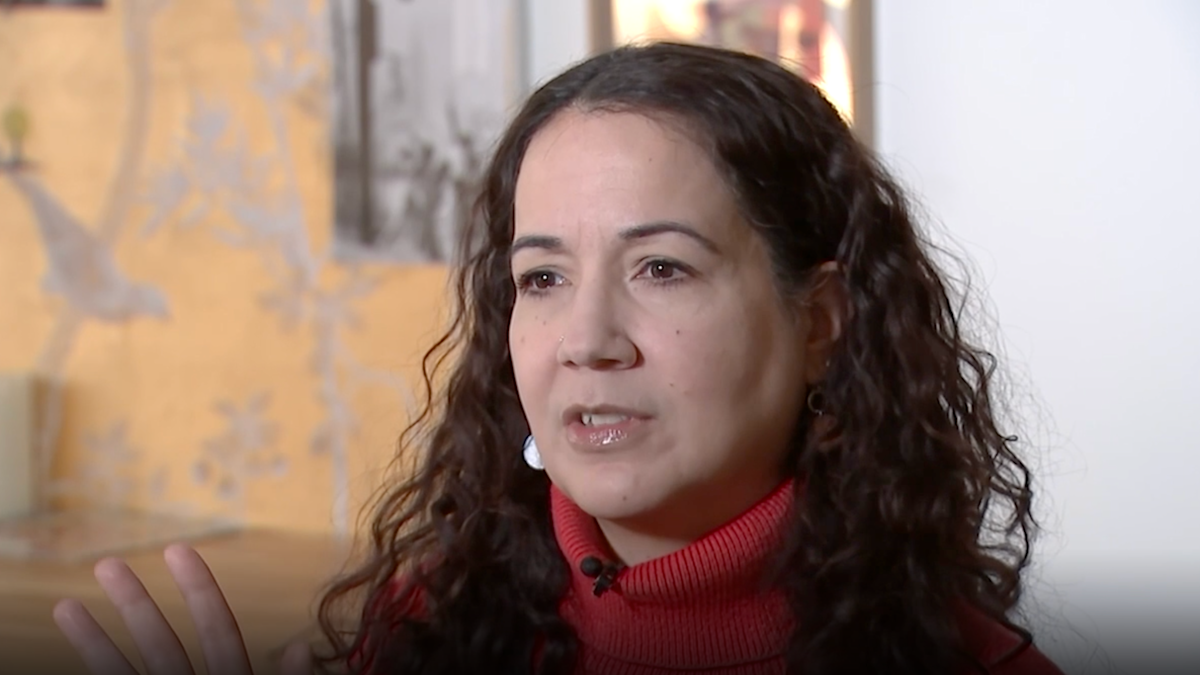
Teresa Santos tried for a year to get her money back after her Airbnb account was hacked and a $2,407.88 charge was made to her PayPal account. While the hosts of the property were understanding and approved the full refund, Santos, a single mom of three, was caught in a struggle between Airbnb and PayPal to actually get her money back.
“I was going in circles,” she told ABC 7 New York (1). “Airbnb was insisting that they canceled it.” However, Santos’ refund from the company was originally only $110 because of the open dispute with PayPal.
PayPal told Santos: “Based on our review, the transaction is consistent with your PayPal history,” and refused to process the refund.
Santos had worked hard to afford an apartment in the Stuytown neighborhood, and was afraid that the outstanding bill, which had gone into collections, could negatively impact her credit score and make her ineligible for the apartment she had long coveted.
While many scam victims don’t have a year-long recovery process, having your online accounts or banking information hacked can seriously mess up your finances, your credit, and your wellbeing. Here’s what you can do to protect yourself from similar issues if you become the victim of an account hack.
Unauthorized charges on your payments accounts are often a sign of identity theft, as stealing your login credentials to impersonate you and use your account information and linked payment methods is a form of fraud.
Online safety platform Aura (2) warns that while account hacks are not the most common Airbnb scams, they can do the most damage. They say hackers often change the login credentials to lock you out of your Airbnb account, making it more difficult for you to resolve the issue with the company’s customer service team.
The Federal Reserve (3) warns social engineering, phishing, and other tactics are often used by scammers to convince you to hand over your login details and other sensitive information. While both Airbnb and PayPal have consumer protection policies in place, account hacks can make it difficult to resolve the issue. And while Santos didn’t say how she believes her account was hacked, McAfee (4) warns a common way scammers get your login information is by sending phony messages ‘confirming’ a purchase through your account. When you click the link in the email to login and ‘verify’ the purchase, the scam site records your email address and password. You can report these emails to phishing@paypal.com.