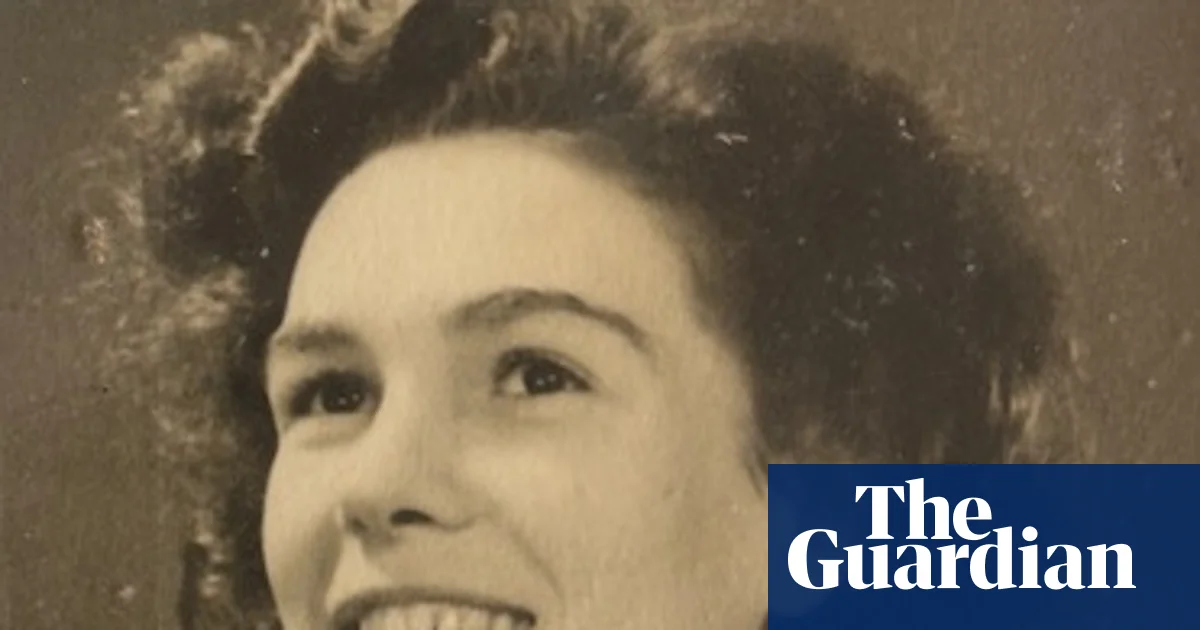
My friend Lorna Richmond, who has died aged 96, worked for many years at the Africa Bureau in London, an independent body that co-operated with liberation movements to bring about an end to empire on that continent.
As assistant to the bureau’s maverick director, the Rev Michael Scott, an Anglican priest known for leading passive resistance demonstrations in a way that often ensured his arrest and imprisonment in various countries, Lorna kept the organisation running on the home front. The period of her full employment, from the 1950s to mid-60s, was arguably the busiest and most successful time in the bureau’s history.
While Scott was in Africa assessing the demands for independence in places such as Kenya, the Gold Coast (now Ghana) and South West Africa (now Namibia), Lorna and the London team were busy organising fundraising events, meeting delegations from African nations, and keeping a constant stream of politicians and journalists informed.
Born in Stratford, east London, Lorna was the daughter of George Richmond, a staff engineer at the Gas Light and Coke company, and his wife, Mary. After secondary education at a boarding school near Bishop’s Stortford, in Hertfordshire, Lorna attended secretarial college. She then spent three years with family in Canada, working as a secretary, before returning to the UK.
While doing secretarial temp work in London, Lorna took a course in international relations before starting full-time with the Africa Bureau, originally set up by David Astor, the then editor of the Observer, in 1952. Lorna served there for the major part of Scott’s 16 years as director until a funding crisis meant she had to leave, along with others, to save money.
When Scott himself stepped down from leadership of the Bureau in 1968, Lorna continued to look after his affairs and interests in other organisations he was involved in, such as the Africa Publications Trust, the Africa Educational Trust, and the Minority Rights Group. Rarely of fixed abode, when in London Scott would stay with friends or in cheap bed and breakfast accommodation, until in 1970 Lorna offered him residence in the spare room of her flat in Primrose Hill, north London. The arrangement continued until Scott died in 1983.
Lorna then moved into her elderly mother’s home in the village of Kingston, close to Lewes, East Sussex, while continuing to travel regularly to London to attend meetings of the Friends of Namibia. In 1992 she welcomed Archbishop Desmond Tutu to St Pancras, a tiny church in Kingston, where she had had Scott’s ashes interred, to unveil a new stained-glass window dedicated to his memory.
Lorna and I became friends when I co-wrote, with Anne Yates, a book entitled The Troublemaker: Michael Scott and His Lonely Struggle Against Injustice (2006), for which she became one of our main sources of information.
Lorna’s younger brother, Marcus, predeceased her. She is survived by a niece, Vanessa.