WASHINGTON: US President Donald Trump has drawn a stark red line, giving Iran until Tuesday evening to reopen the Strait of Hormuz—or face what he ominously described as attacks on key infrastructure.
The unusually precise deadline — “Tuesday, 8:00 P.M. Eastern Time” — coupled with his warning of “Power Plant Day and Bridge Day,” conveys both urgency and resolve. Yet analysts, scholars, and lawmakers are divided on whether this ultimatum signals imminent military action or is a high-stakes pressure tactic.
There are reasons to take Trump’s warning seriously.
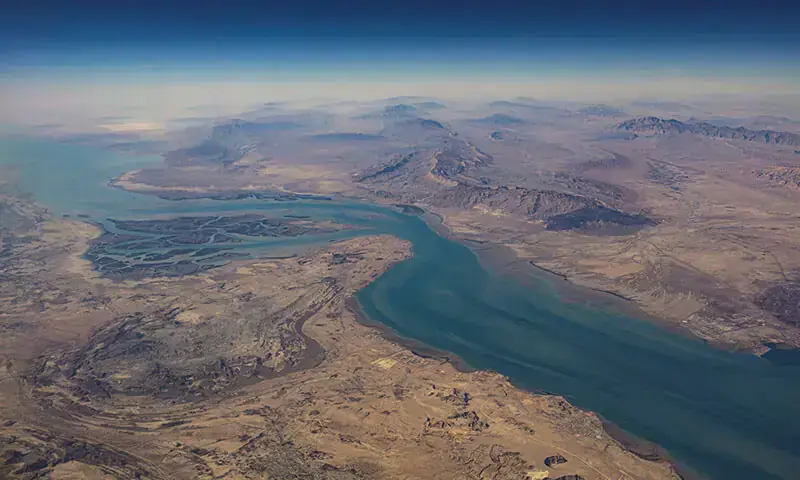
The Strait of Hormuz carries roughly one-fifth of the world’s traded oil. Any disruption could spike global energy prices and hit major economies in Europe and Asia. Failing to act after publicly setting a deadline risks undermining Washington’s credibility, especially in a second term where Trump may feel freer to authorise calibrated strikes to reinforce deterrence.
Still, the language he used suggests something short of full-scale war. Targeting bridges or power plants signals punitive action designed to assert resolve, not regime change.
Michael Froman, president of the Council on Foreign Relations, notes: “The damage to Iran’s military capabilities is unquestionable. Since the start of the war, the United States has hit more than eleven thousand targets.” Yet he adds a cautionary note: “Iran wins if it does not lose; the United States loses if it does not win.”
Caution is warranted. Iran possesses asymmetric capabilities that could inflict serious retaliation, from missile and drone strikes on US bases to disruptions of Gulf oil infrastructure or mobilisation of allied groups across the region.
Thomas S. Warrick, senior fellow at the Atlantic Council, observes: “US attacks on Iran’s infrastructure would almost certainly succeed—but so would Iranian attacks on Gulf facilities. Iran would remain unlikely to open the Strait of Hormuz, and could portray itself as the winner, leaving the US on the defensive.”
Economic risks compound the strategic dilemma.
Daniel Byman of the Center for Strategic and International Studies warns: “From Southeast Asia to Europe, a surge in oil, gas, and fertilizer prices could devastate economies and risk a global recession. The United States could be blamed, fueling anti-US sentiment worldwide.”
Democratic lawmakers have been vocal in warning against an aggressive approach. Senator Edward Markey of Massachusetts described Trump’s threats as ineffective and urged diplomacy to avoid further costs to Americans at the pump and in human lives.
Senator Elissa Slotkin of Michigan highlighted the human cost of indiscriminate strikes, noting they contradict Trump’s stated goal of aiding the Iranian people. Senator Brian Schatz of Hawaii added: “Bombing civilian infrastructure is a war crime, and the time to speak out is now.”
Observers also note a pattern in Trump’s confrontations: maximalist rhetoric followed by tactical recalibration. Public threats often precede backchannel diplomacy or deadline extensions framed as progress.
Some analysts suggest that the ultimatum may be coercive rather than strictly military. Allied pressure matters too: Gulf states fear being drawn into conflict, while European partners are likely to urge restraint. Even opponents of Tehran may prefer controlled containment over open confrontation.
The likely outcome could lie between extremes. Washington might extend the deadline if Tehran signals partial compliance or willingness to negotiate. Alternatively, limited strikes — possibly against military rather than civilian targets — could be used to demonstrate resolve without triggering a broader escalation.