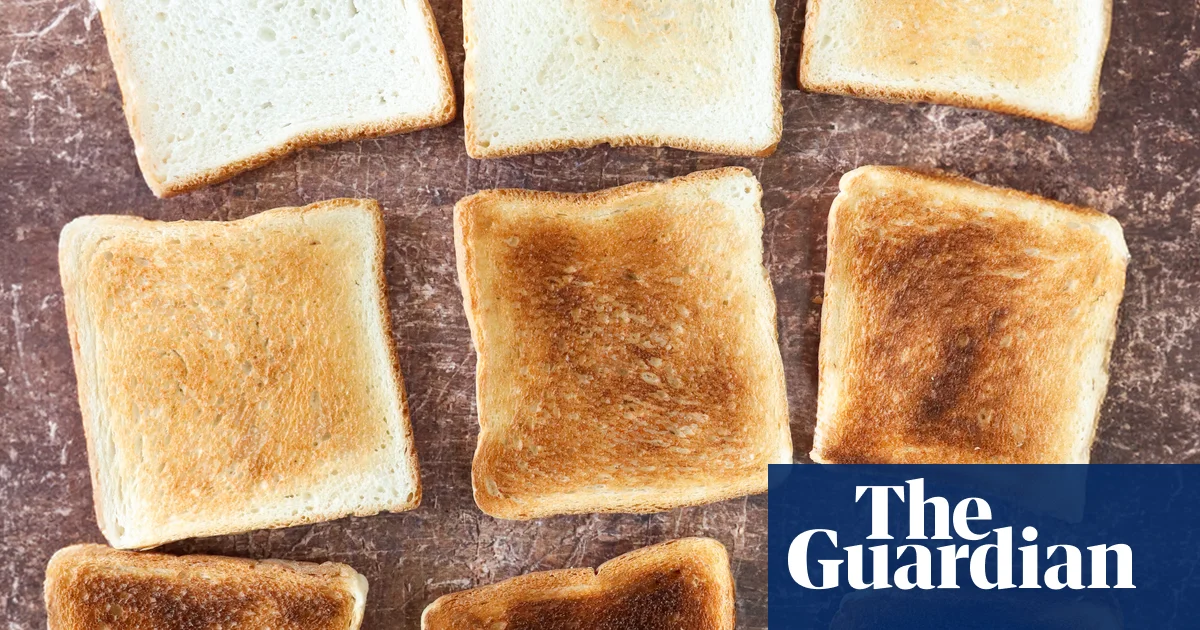
Gene-edited wheat which can make bread less carcinogenic when toasted has been successfully developed by scientists.
Researchers at Rothamsted Research in Harpenden, Hertfordshire, used Crispr genome editing which allows researchers to selectively edit the DNA of living organisms. This revolutionary technology was adapted for use in the laboratory from naturally occurring genome editing systems found in bacteria.
Wheat contains an amino acid called free asparagine, which is used by the plant to store nitrogen. However, when bread is baked, fried or toasted, this amino acid converts into a toxic compound called acrylamide. This has been classified by scientists as a probable carcinogen.
Now, results from two years of field trials has found that wheat produced using Crispr can significantly lower concentrations of free asparagine without affecting crop yields.
This then translated directly into lower acrylamide formation in food products. Bread and biscuits made from the edited wheat showed substantially reduced acrylamide levels, with concentrations in some bread samples falling below detectable limits, even after toasting.
Scientists compared Crispr-edited wheat lines with wheat which was treated in the normal, approved way by having its genetic material altered through exposure to a chemical agent to create random mutations.
The Crispr editing was used to target the gene responsible for asparagine production. Another line also reduced a related gene. These targeted edits reduced free asparagine in the grain by 59%, and by up to 93% in the dual-edited line, without any reduction in yield.
Conventional methods – which are allowed because they do not involve active editing of genes and are achieved due to exposure to chemical agents to create processes which could happen naturally – achieved a 50% reduction in free asparagine but a yield penalty of nearly 25%, likely due to unintended mutations elsewhere in the genome.
Dr Navneet Kaur, a lead researcher from Rothamsted Research, said: “This work demonstrates the power of Crispr technology to deliver precise, beneficial changes in crop genetics. With supportive regulatory frameworks, we can unlock significant benefits for agriculture and food systems.”
The UK has become one of the global hubs for gene editing research since Brexit, when leaving the EU meant rules on genetically modified food no longer applied.
The Genetic Technology (Precision Breeding) Act which passed in 2023 makes it easier to develop and market genetically modified crops and livestock. However, this is at risk under the new sanitary and phytosanitary (SPS) agreement being negotiated between the UK and the EU.
If the EU succeeds in getting the UK to adopt dynamic alignment with its food rules without a carve-out for these items, this would slow down the adoption of precision-bred crops in the UK.
However, some breads may be banned in the EU due to high acrylamide. The bloc has a regulation which sets benchmark levels for the compound in food, and will restrict maximum levels further this year. This would also apply to products exported to the EU, including from the UK.
Prof Nigel Halford from Rothamsted Research, who led the study, said:
“Low acrylamide wheat could enable food businesses to meet evolving safety standards without compromising product quality or incurring major production costs. It also offers a meaningful opportunity to reduce the dietary exposure of consumers to acrylamide.”