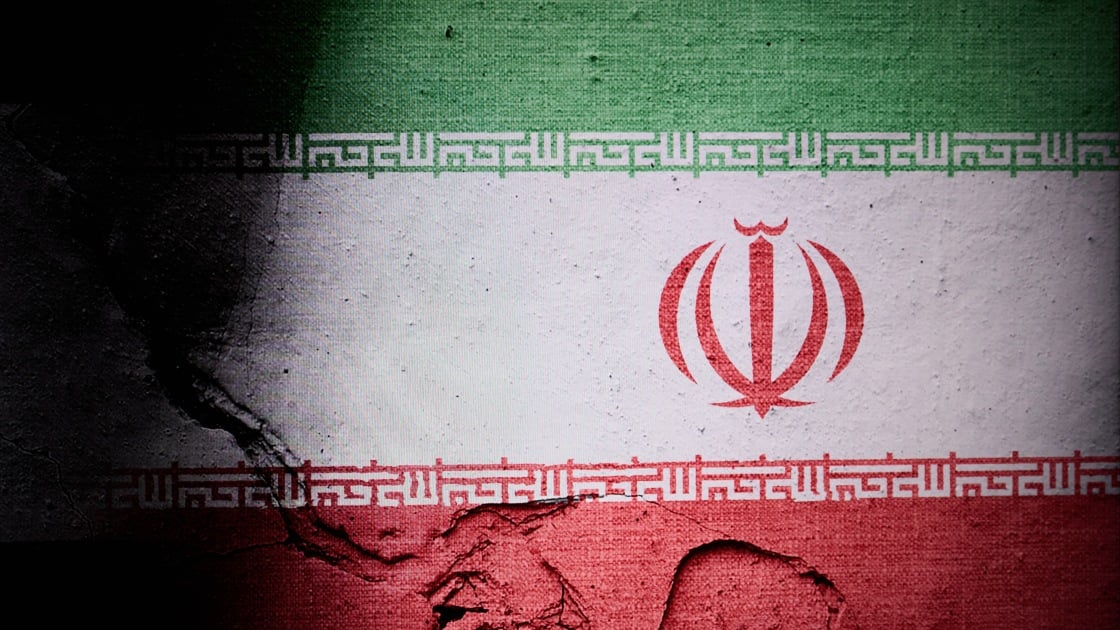
As the US-Iran war simmers, the FBI and the NSA are raising alarm bells about Iranian hackers targeting US critical infrastructure, especially services related to water, energy, and local municipalities.
The agencies today issued a joint alert about Iranian hackers working to exploit vulnerable programmable logic controllers (PLCs) in industrial processes to attack various sectors.
The alert suggests that Iranian hackers have already achieved some success in targeting industrial IT systems as recently as last month. “These attacks have led to diminished PLC functionality, manipulation of display data and, in some cases, operational disruption and financial loss,” the FBI said without elaborating.
Specifically, the hackers are targeting PLCs from Rockwell Automation, which also owns the Allen Bradley brand. The company describes its logic controllers as rugged industrial computers “designed to automate manufacturing processes, machinery, and robotic systems.”
However, the US alert indicates that, in some cases, the PLCs have been configured to be publicly accessible on the internet without any safeguards. The Iranians are seizing on the access by using Rockwell Automation’s programming software, such as Studio 5000 Logix Designer, to “create an accepted connection to the victim’s PLC. Targeted devices include CompactLogix and Micro850 PLC devices.”
The attacks follow an earlier suspected Iranian hacking campaign from a group called the CyberAv3ngers, which also targeted PLCs and gained remote access to IT systems at a water provider in Pennsylvania in 2023.
Recommended by Our Editors
The US agencies issued the alert to urge critical infrastructure to shore up their defenses and harden security around their industrial control systems. The alert also notes that the Iranians have recently been using eight IP addresses to conduct the hacks, seven of which were associated with the Iranian attackers in January 2025.
The FBI has also been fighting a hacktivist group called Handala, which federal investigators say is actually an Iranian operation designed to spread propaganda. Handala recently infiltrated a US medical equipment provider called Stryker, wiping thousands of IT systems and employee devices. The group also broke into the Gmail account of FBI Director Kash Patel and stole his personal photos.

Get Our Best Stories!
Stay Safe With the Latest Security News and Updates

Thanks for signing up!
Your subscription has been confirmed. Keep an eye on your inbox!
About Our Expert

Michael Kan
Senior Reporter
Experience
I’ve been a journalist for over 15 years. I got my start as a schools and cities reporter in Kansas City and joined PCMag in 2017, where I cover satellite internet services, cybersecurity, PC hardware, and more. I’m currently based in San Francisco, but previously spent over five years in China, covering the country’s technology sector.
Since 2020, I’ve covered the launch and explosive growth of SpaceX’s Starlink satellite internet service, writing 600+ stories on availability and feature launches, but also the regulatory battles over the expansion of satellite constellations, fights with rival providers like AST SpaceMobile and Amazon, and the effort to expand into satellite-based mobile service. I’ve combed through FCC filings for the latest news and driven to remote corners of California to test Starlink’s cellular service.
I also cover cyber threats, from ransomware gangs to the emergence of AI-based malware. Earlier this year, the FTC forced Avast to pay consumers $16.5 million for secretly harvesting and selling their personal information to third-party clients, as revealed in my joint investigation with Motherboard.
I also cover the PC graphics card market. Pandemic-era shortages led me to camp out in front of a Best Buy to get an RTX 3000. I’m now following how President Trump’s tariffs will affect the industry. I’m always eager to learn more, so please jump in the comments with feedback and send me tips.