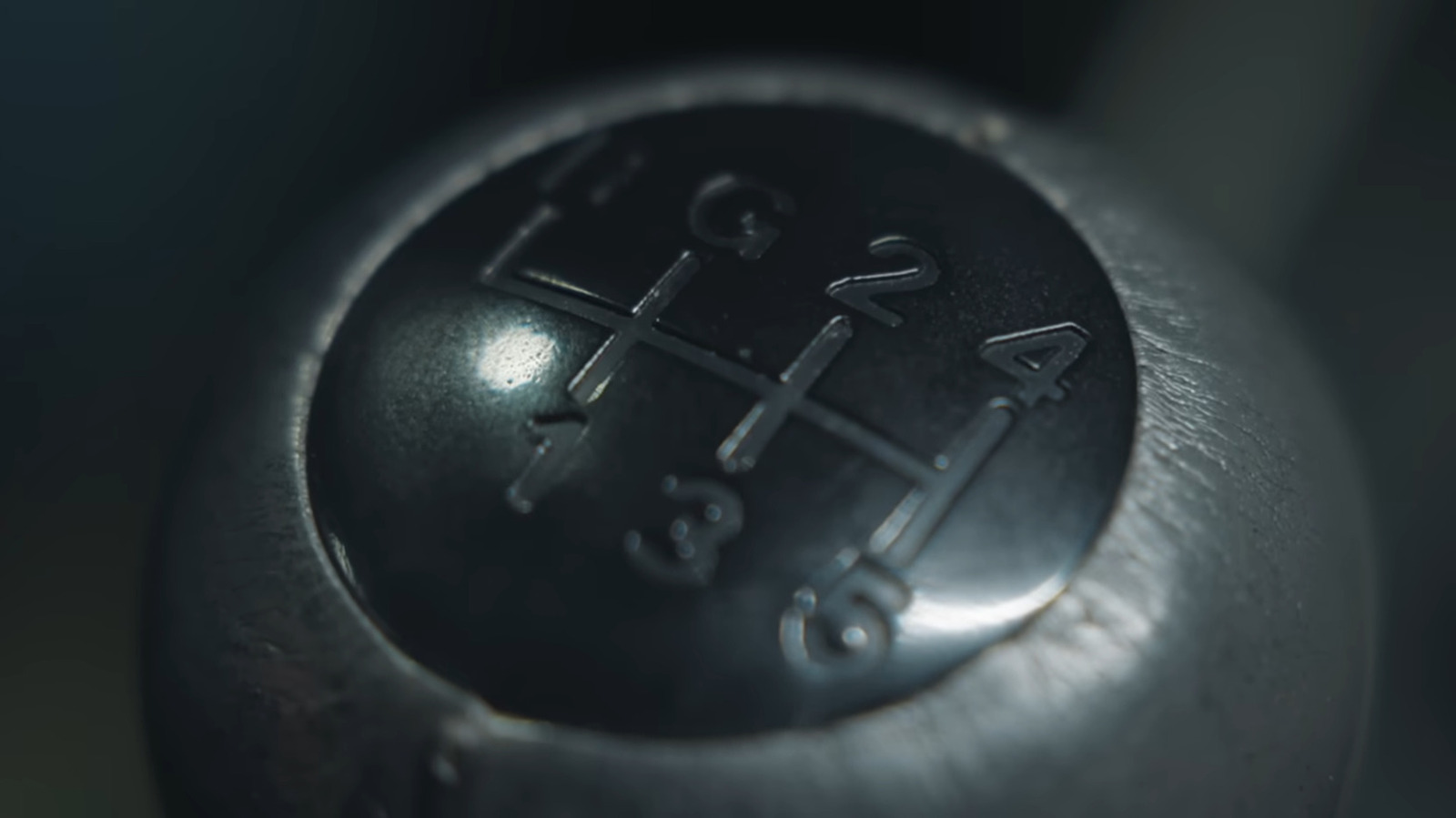
Even if you’ve never driven manual, you are probably familiar with how the gearshift looks and works. There’s neutral, reverse, one, two, three… But you may be thrown off when you see a G on some older gearshifts. Reverse, G, one, two… What can that mean? Well, it’s actually short for the German word gelände, and Porsche was among the first manufacturers to include it.
The G was first spotted on the Porsche 959, a car that blends the beauty and speed of a 911, with some of the off-road chops of a rally car, which is hardly surprising, since the 959 was originally supposed to compete in Group B rallying.
Essentially, the road car showed us what it would be like if the Porsche 911 was a full-on supercar. In fact, the Porsche 959 was the fastest production car when it came out in the late 1980s. That power and speed came with noise, however, and the 959 didn’t meet pass-by noise regulations at that time.
One of the ways Porsche got around this is with the G gear, which stands for gelände — or terrain in English. This was sort of a crawling gear for off-roading, but it worked for start-and-go traffic as well. The 959 could shift from G to second, which was actually third gear, while keeping revs lower as well, allowing it to pass noise tests. Basically, it was Porsche’s way to trick officials with never-before-seen engineering.
What makes the Porsche 959 worth paying $133,000 in fees?
The G on the stick shift is just one of many innovations that made the Porsche 959 ahead of its time. It shaped the next few decades of supercar design and performance. Originally meant to be a Group B rally competitor, the 959 is packed with tech that wasn’t really the norm in the 1980’s — even now, it sometimes feels like some cars are just catching up.
Its body is made of Kevlar and aluminum, the tires have pressure sensors, and there’s hydraulic suspension that will automatically lower the car at higher speeds. It wasn’t really about brute strength, but rather ingenious tech.
The Porsche 959’s distinctive styling and performance caught the eye of many celebrities, including Bill Gates — a man who clearly loved his tech. However, the 959 was banned in America, and U.S. Customs seized his imported 959, since it had never been certified to meet American safety standards and emissions regulations. Porsche refused to send the National Highway Traffic Safety Administration (NHTSA) four cars to crash test, as they were very complex and expensive cars to make. Gates paid a $28 fine every day, unwilling to give up the vehicle, ultimately accruing $133,000 in penalties until it passed the revised Show or Display exemption.