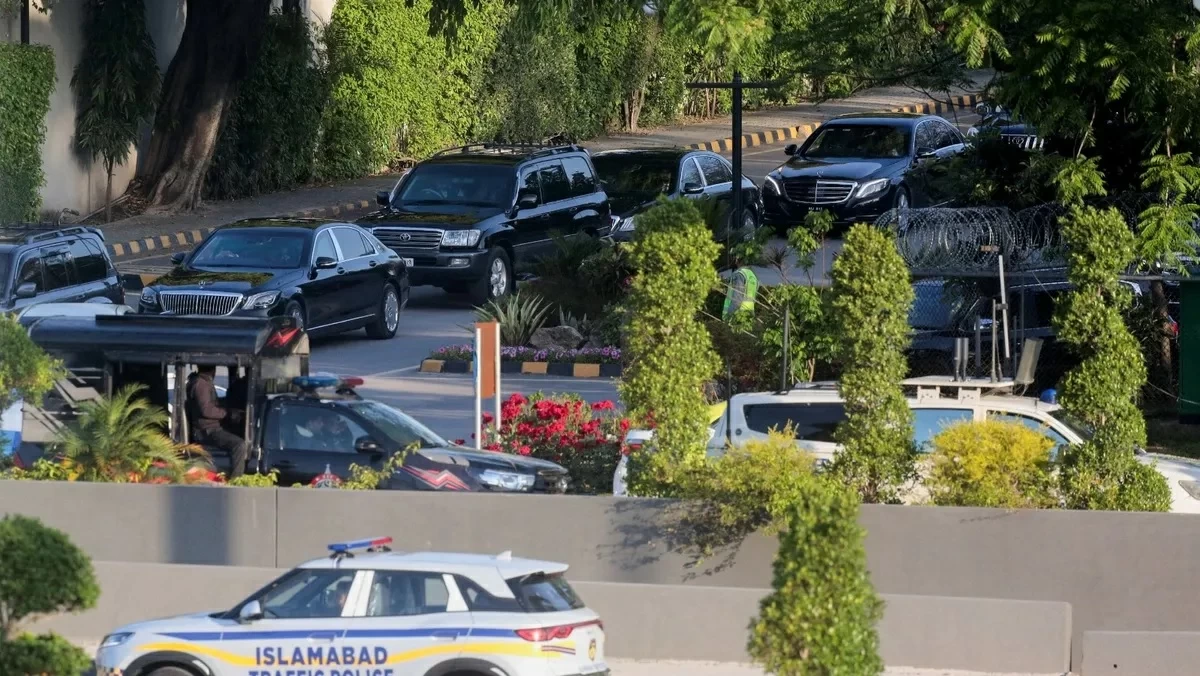
فيما لا تزال الهدنة بين الولايات المتحدة وإيران صامدة، رغم انتهاء جولة المحادثات الأخيرة من دون تحقيق اختراق، اقترحت باكستان استضافة جولة ثانية من المفاوضات الخميس القادم، تهدف إلى التوصل إلى وقف إطلاق نار طويل الأمد.
اقتراح بعقد جولة ثانية
وأفاد مسؤولان باكستانيان لـ«أسوشيتدبرس»، اليوم الثلاثاء، أن إسلام آباد اقترحت استضافة جولة ثانية من المحادثات قبل انتهاء الهدنة في 21 أبريل، وأضافا أن المقترح سيعتمد على ما إذا كانت الأطراف ستطلب موقعاً مختلفاً.
ولفت أحد المسؤولين إلى أنه رغم انتهاء الجولة الأولى دون التوصل إلى اتفاق، فإن المحادثات كانت جزءاً من عملية دبلوماسية مستمرة وليست لاجتماع لمرة واحدة. ورجح عقد الجولة المرتقبة هذا الأسبوع أو أوائل الأسبوع القادم. فيما أفادت مصادر إيرانية بأنه لم يتم بعد الاتفاق على موعد الجولة الجديدة.
وأكد دبلوماسي من الدول الوسيطة، أن طهران وواشنطن وافقتا على عقد الجولة الثانية. في حين ذكرت مصادر أخرى أنه من غير الواضح ما إذا كان من المتوقع مشاركة وفد بنفس المستوى.
وحول مكان عقد الجولة المتوقعة، قال الدبلوماسي والمسؤولان الأمريكيان إنه يجري النقاش بشأن أن تستضيف العاصمة الباكستانية إسلام آباد المحادثات مجددا، فيما طرحت جنيف كخيار بديل.
فجوة عميقة في الملف النووي
ونقلت وكالة «رويترز» عن أربعة مصادر، ترجيحها إمكانية أن يعود فريقا التفاوض من الولايات المتحدة وإيران إلى إسلام آباد هذا الأسبوع، لعقد جولة جديدة في محاولة لكسر الجمود الذي خيّم على المحادثات السابقة.
وكشفت صحيفة «نيويورك تايمز» وجود فجوة عميقة في أحد أبرز الملفات، إذ طلبت واشنطن من طهران تعليق تخصيب اليورانيوم لمدة تصل إلى 20 عامًا، في حين عرضت إيران تعليقًا مؤقتًا يتراوح بين 5 و 10 سنوات، وهو ما رفضه الرئيس الأمريكي دونالد ترمب، ما أبقى الملف النووي في قلب التعقيد.
وكان مسؤول أمريكي، أعلن أمس (الإثنين)، أن هناك تواصلا مستمرا مع إيران، وتقدما في محاولة التوصل إلى اتفاق. فيما تحدث رئيس الوزراء الباكستاني شهباز شريف عن استمرار الجهود لوضع حد للصراع.
مخرج دبلوماسي للأزمة
ونقلت شبكة CNN عن مصادر في أمريكية قولها: إن هناك توجها لتمديد وقف إطلاق النار، بهدف منح المفاوضات مزيدًا من الوقت للوصول إلى صيغة توافقية. ولفتت المصادر إلى حالة من التفاؤل الحذر داخل واشنطن بإمكانية التوصل إلى مخرج دبلوماسي للأزمة، رغم استمرار التباينات الجوهرية.
وأعلن الرئيس الأمريكي دونالد ترمب، أمس، أن إيران تواصلت مع الولايات المتحدة مبدية رغبة في التوصل إلى اتفاق، لكنه شدد على أنه لن يوافق على أي اتفاق يسمح لطهران بامتلاك سلاح نووي.
فيما أوضح نائب الرئيس جي دي فانس مساء أمس أن بلاده أحرزت تقدما كبيرا في المحادثات مع الجانب الإيراني السبت الماضي، معتبراً أن «الكرة باتت في ملعب الإيرانيين»، وفق تعبيره.
وكانت جولة من المحادثات المباشرة عقدت السبت الماضي في إسلام آباد، بعد حرب امتدت 40 يوماً، وبعد أكثر من 21 ساعة من المفاوضات، خرج فانس معلناً أنه لم يتم التوصل لاتفاق، ولم تلب طهران المطالب الأمريكية.
واعتبرت الخارجية الإيرانية أن المفاوضات كانت إيجابية واقتربت من الاتفاق على العديد من النقاط، إلا أن بعض المسائل لا تزال عالقة بسبب «مطالب أمريكا المتشددة»، وفق تعبيرها.
While the ceasefire between the United States and Iran remains intact, despite the recent round of talks ending without a breakthrough, Pakistan has proposed hosting a second round of negotiations next Thursday, aimed at achieving a long-term ceasefire.
Proposal for a Second Round
Two Pakistani officials told the Associated Press on Tuesday that Islamabad has proposed hosting a second round of talks before the ceasefire ends on April 21, adding that the proposal will depend on whether the parties request a different location.
One of the officials noted that although the first round ended without reaching an agreement, the talks were part of an ongoing diplomatic process and not a one-time meeting. He anticipated that the upcoming round could take place this week or early next week. Meanwhile, Iranian sources reported that no date has yet been agreed upon for the new round.
A diplomat from the intermediary countries confirmed that Tehran and Washington have agreed to hold the second round. However, other sources mentioned that it is unclear whether a delegation of the same level is expected to participate.
Regarding the location for the anticipated round, the diplomat and the two American officials indicated that discussions are underway for the Pakistani capital Islamabad to host the talks again, while Geneva has been suggested as an alternative option.
Deep Gap in the Nuclear File
Reuters reported from four sources that there is a possibility that the negotiating teams from the United States and Iran could return to Islamabad this week for a new round in an attempt to break the deadlock that has overshadowed previous talks.
The New York Times revealed a deep gap in one of the most prominent issues, as Washington requested Tehran to suspend uranium enrichment for up to 20 years, while Iran offered a temporary suspension ranging from 5 to 10 years, which was rejected by President Donald Trump, keeping the nuclear file at the heart of the complexity.
An American official announced yesterday (Monday) that there is ongoing communication with Iran and progress in efforts to reach an agreement. Meanwhile, Pakistani Prime Minister Shahbaz Sharif spoke about the continued efforts to put an end to the conflict.
Diplomatic Exit for the Crisis
CNN reported from American sources that there is a trend to extend the ceasefire to give negotiations more time to reach a consensus. The sources pointed to a sense of cautious optimism within Washington regarding the possibility of reaching a diplomatic exit for the crisis, despite the ongoing fundamental differences.
President Donald Trump announced yesterday that Iran has contacted the United States expressing a desire to reach an agreement, but he emphasized that he would not agree to any deal that allows Tehran to possess nuclear weapons.
Meanwhile, Vice President J.D. Vance clarified last night that his country has made significant progress in talks with the Iranian side last Saturday, considering that “the ball is now in the Iranians’ court,” as he put it.
A round of direct talks was held last Saturday in Islamabad, following a 40-day war, and after more than 21 hours of negotiations, Vance emerged announcing that no agreement had been reached, and Tehran did not meet the American demands.
The Iranian Foreign Ministry considered the negotiations to be positive and close to agreement on many points, but noted that some issues remain unresolved due to “America’s hardline demands,” as they expressed.