NEWYou can now listen to Fox News articles!
A drug-resistant bacterial infection has been on the rise in the U.S. in recent years, according to an alert from the Centers for Disease Control and Prevention (CDC).
Shigella, a gram-negative bacteria, causes a diarrheal illness called shigellosis. Drug-resistant incidences of the infection have “increased substantially” in the U.S. between 2011 and 2023.
Researchers analyzed over 16,000 Shigella samples, testing them for antibiotic resistance to determine how many would not respond to commonly used antibiotics.
DEADLY ‘SUPERBUG’ IS SPREADING ACROSS US AS DRUG RESISTANCE GROWS, RESEARCHERS WARN
In 2011, there were no cases of highly drug-resistant Shigella infections; by 2023, approximately 8.5% of infections met that criteria.
The findings were published in the CDC’s Morbidity and Mortality Weekly Report on April 9.
A drug-resistant bacterial infection has been on the rise in the U.S. in recent years, according to an alert from the CDC. (iStock)
Drug resistance was defined as not responding to ampicillin, azithromycin, ceftriaxone, ciprofloxacin or trimethoprim-sulfamethoxazole, which are the antibiotics commonly used to treat bacterial infections like Shigella.
No FDA–approved oral antimicrobial agents are available to treat drug-resistant cases, the CDC stated.
CLICK HERE TO DOWNLOAD THE FOX NEWS APP
The majority of patients were adult men (86%), with a median age of 41. Among patients who reported their travel history, more than 80% said they had not left the country recently, suggesting that infections were spreading within the U.S.
About one in three infected patients required hospitalization, the report stated. Among the people who provided their HIV status, nearly half were infected with the virus.
Drug-resistant incidences of the infection have “increased substantially” in the U.S. between 2011 and 2023.
The study had some limitations, the researchers noted. There is the chance that the CDC’s surveillance data may not capture all U.S. cases, and there may be missing data for key variables like travel history and HIV status.
CLICK HERE FOR MORE HEALTH STORIES
Also, the findings may not be generalizable to all populations or settings.
To combat the rise of resistant infections, the CDC researchers emphasized the need for ongoing surveillance and public health response.
Symptoms and spread
Most people infected with Shigella will experience diarrhea (which can be bloody and prolonged), fever and stomach pain, starting one or two days after exposure, according to the CDC. Some people do not have any signs of illness, however.
Symptoms typically last for five to seven days, but some people may experience prolonged sickness for several weeks.
Most people infected with Shigella will experience diarrhea (which can be bloody and prolonged), fever and stomach pain, starting one or two days after exposure. (iStock)
In rare cases, infected patients may develop complications such as reactive arthritis, bloodstream infections, seizures or hemolytic-uremic syndrome, which involves damage to blood vessels in the kidneys.
Shigella germs spread easily through an infected person’s stool. People can become infected if they get Shigella germs on their hands and then touch their food or mouth, according to the CDC.
CLICK HERE TO SIGN UP FOR OUR HEALTH NEWSLETTER
This can happen changing the diaper of an infected child or caring for someone with the illness.
Touching contaminated surfaces can also increase the risk.
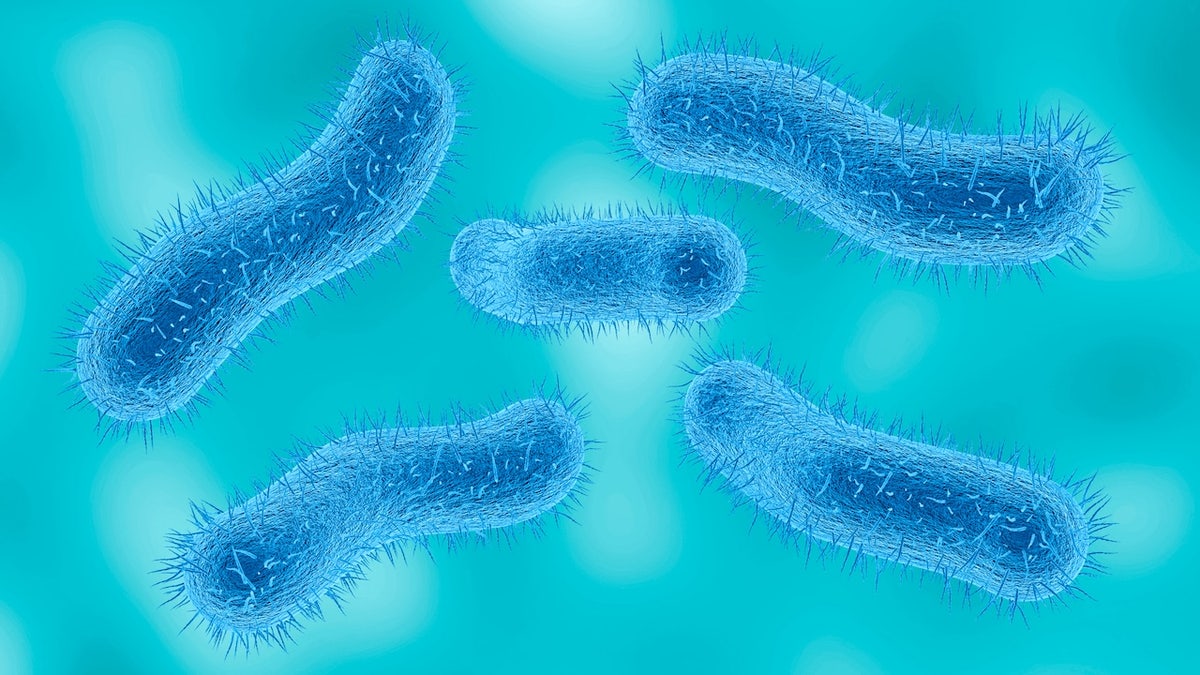
Shigella, a gram-negative bacteria, causes a diarrheal illness called shigellosis. Drug-resistant incidences of the infection have “increased substantially” in the U.S. between 2011 and 2023. (iStock)
Eating raw food or contaminated produce can also lead to infection, as can swallowing recreational water containing the germ.
Young children, travelers, gay or bisexual men, and those with weakened immune systems are at a higher risk of contracting Shigella, the CDC cautioned.
Prevention tips
To reduce the risk of contracting Shigella, experts recommend carefully washing your hands with soap and water after activities that could cause exposure.
It is also important to avoid swallowing water from lakes, ponds or pools, and to follow safe food and water habits while traveling, per the CDC.
TEST YOURSELF WITH OUR LATEST LIFESTYLE QUIZ
Sexual activity should be avoided if a partner has been diagnosed.
Anyone experiencing symptoms should see a doctor, and should stay home while sick.