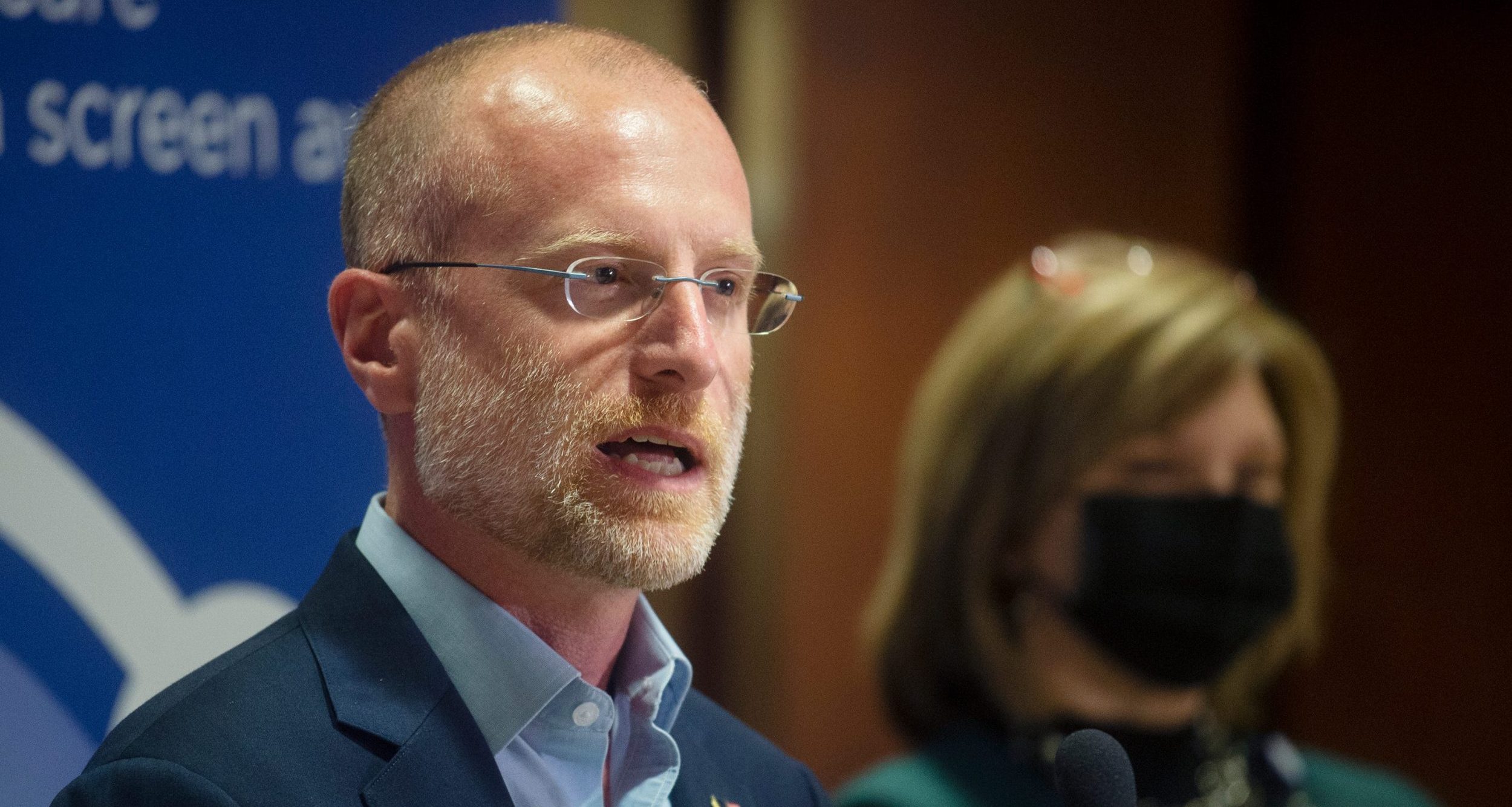
Last week, the Department of Justice reportedly opened an investigation into the antitrust exemption granted to the NFL in the Sports Broadcasting Act of 1961. The news comes amid repeated public comments from FCC chairman Brendan Carr regarding the standing of that exemption, and whether it should apply to games that do not air on broadcast television.
The timing of Carr’s interest in where NFL games air is no coincidence. It comes at a moment when the NFL is actively renegotiating, or actively planning to renegotiate, deals with its five primary broadcast partners, four of which air games on broadcast television.
NFL games are critical to the health of these broadcast networks, which are able to command hefty retransmission fees and sell lucrative advertising because of the widely watched programming. Threatening these broadcast networks, of course, are streamers, many of which have begun to dip their toe in NFL broadcasting. Amazon’s Prime Video, for example, is the home of Thursday Night Football. Last season, both Netflix and YouTube held rights to exclusive games.
Since his appointment as FCC chair, Carr has been adamant about revitalizing local broadcast stations. Losing NFL games to streaming would accelerate what already seems to be the inexorable decline of linear television.
But there’s also more to the story. Two families with the ear of the Trump administration own broadcast networks negotiating new NFL deals. CBS, owned by Oracle billionaire Larry Ellison and run by son David, is in active negotiations with the league. Fox, majority owned by Rupert Murdoch and run by son Lachlan, is said to be next up for rights negotiations. Both families have well-documented ties to the Trump administration and have made clear moves to make their news coverage more Trump friendly. It’s not a far jump to suggest that the Trump administration is incentivized to help CBS and Fox, both of which depend mightily on retaining NFL rights, by putting political pressure on the NFL to keep games on broadcast as opposed to streaming.
Brendan Carr was asked precisely this question during an interview with CNBC on Tuesday. Predictably, he did not directly address if the FCC was aiming to influence ongoing rights negotiations with the NFL.
EISEN: Ultimately, are you trying to influence the next round of NFL TV negotiations and give more preference to traditional broadcast?
FCC CHAIR BRENDAN CARR: I do think there’s a point at which the NFL reaches a tipping point where they’re sticking too many games behind a… pic.twitter.com/kUSvmg2GTG
— Aaron Rupar (@atrupar) April 14, 2026
“Is ultimately what you’re trying to do here influence the next round of negotiations and give more preference to broadcast, traditional broadcast?” CNBC’s Sara Eisen questioned.
“I don’t know about that, but I do think there’s a point at which the NFL reached a tipping point where they’re sticking too many games behind a paywall, in which case it really raises a lot of questions about the scope of that [antitrust] exemption,” Carr replied.
“But what could you do at the FCC?” Eisen asked.
“Well one, the way we’re proceeding right now, so we are taking comment and looking at it. DOJ and Congress could also take a look at the antitrust exemption, but we want to be informed about this since we ultimately do regulate the local broadcast TV market. So we’re going to look at it and potentially we could inform Congress or DOJ as well,” Carr said.
That answer would seem to suggest that the FCC doesn’t have much, if any, direct recourse to the NFL regarding whether or not it begins to place more games on paid streaming services. However, it certainly appears as if the FCC is aiming to influence the NFL’s rights negotiations through Carr’s repeated public comments about the league’s exemption.
Whether that’s a favor to the Ellisons and Murdochs or simply a genuine interest in protecting local broadcasters at an opportune time isn’t all that relevant. The FCC seems intent on shaping the DOJ’s and Congress’s opinion on the matter. And there is support on both sides of the aisle to keep NFL games accessible via broadcast television.
If the federal government can credibly threaten to pull the NFL’s antitrust exemption is a different question entirely. If the league feels political pressure mount and believes the levers of government may actually threaten its exemption, that could shape negotiations. If the league assesses the threat to its exemption as unlikely, it’ll likely proceed business as usual.