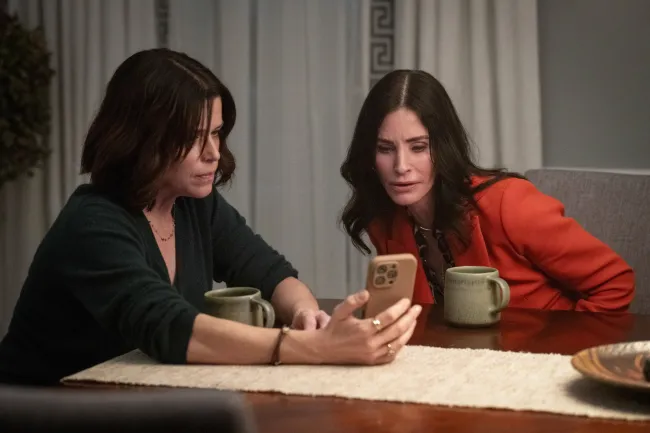
For a movie widely panned as the weakest entry in its franchise, “Scream 7” had a killer opening weekend. Directed by original “Scream” screenwriter Kevin Williamson, the new sequel debuted to record-setting box office numbers for Paramount — earning $97.2 million worldwide and outperforming every previous chapter in the long-running slasher series.
“Scream 7” achieved that milestone despite abysmal reviews and an unusually turbulent release cycle. The film currently holds a 32 percent score on Rotten Tomatoes and a 36 on Metacritic, arriving amid the most significant off-screen controversy in the property’s history. In nearly three decades, the horror universe launched by Wes Craven has endured artistic highs and lows while remaining consistently commercially viable. In 2026, fans protesting the dismissal of “Scream VI” star Melissa Barrera — who was fired from the sequel after posting pro-Palestinian remarks on social media — organized petitions, social media campaigns, and coordinated theater calls for audiences to skip the film altogether.

While much of that activism originated within fandom spaces, the dispute quickly spread beyond genre circles and became a recurring entertainment-industry flashpoint covered across mainstream outlets. It was amplified by labor and free-speech debates already reshaping Hollywood discourse, and underscored in importance by the dire stakes of the ongoing conflict in Gaza. The night of the world premiere, demonstrators lined outside the historic Paramount Pictures backlot in Los Angeles.

By traditional studio metrics, the protest appears to have failed spectacularly. But after just one weekend, that premature conclusion could misunderstand how franchise damage actually works. Opening weekends measure curiosity and habit, not audience confidence, and horror success has always hinged less on debut numbers than on second-weekend endurance and buzzy word-of-mouth. Viewed through a longer industry lens, “Scream 7” suggests the momentum Paramount benefited from to get this far may not extend much further.
Brand Inertia Alone Can’t Carry the Total Box Office
Horror franchises don’t get major theatrical openings based on merit alone. They become blockbuster events because audiences recognize the name and the core concept attached to it. Thanks to the review embargo put in place by Paramount, pre-sale tickets for “Scream 7” were a done deal days before most critics weighed in on the quality of the new film.
Franchise loyalists and nostalgia-driven moviegoers will often treat sequels as mandatory viewing, regardless of early reception. That dynamic has carried countless lackluster follow-ups to strong debuts before general sentiment catches up. Yes, “Scream 7” still has a 77 percent on Rotten Tomatoes among general audiences, but that’s faint praise regardless and hardly indicative of last enthusiasm.
Paramount has spent decades training audiences to show up for “Scream” automatically. The real test begins once obligation viewing gives way to recommendation… or lack of it. For horror movies especially, the second weekend tells the truth the first cannot.

This Boycott Was Always About (Maybe) Making the Next Movie
Boycotts rarely destroy the businesses they’re directly targeting, but they can reshape consumer conversation and gradually force people in power to change their behavior. Slashers survive on continuity of emotional investment, and “Scream” in particular depends on viewers believing the series respects both its beloved core characters and their enduring, self-aware fanbase.
The reported pay dispute that kept final girl Neve Campbell out of “Scream VI” spurred fans into action in 2023 and backlash followed suit. But working with the buzz of the Radio Silence filmmakers, Matt Bettinelli-Olpin and Tyler Gillett, Paramount was able to overcome fandom headwinds and break records at the box office anyway — bringing in $44.4 million with its then series-best opening.
The sequel was good enough to distract from behind-the-scenes controversy, but that before Barrera’s exit introduced more instability. Her removal from “Scream 7” was followed by even more shuffling, including the departures of Jenna Ortega and would-be director Christopher Landon, and that mounting internal strain impacted the result. Whether opening weekend viewers knew about the Barrera controversy or not, Williamson’s sequel is bad in a way no marketing campaign can fully smooth over.
If audience trust has now weakened, even slightly, the consequences will come in stages. First, next weekend. Then, with “Scream 8.” Considering that studios greenlight sequels based on IP trends instead of isolated wins, that project seems likely — even if the belated consequences of a “D+” film are certain.

Too Few Fans Are Talking About the Movie Itself
Perhaps the strangest outcome of this sequel’s success is how little audience conversation surrounds the movie itself. For most of its existence, “Scream” has generated enough twists, kills, and meta-commentary to create a genuine horror “moment” well beyond the typical Halloween season. Nostalgia for the groundbreaking 1996 original ensured that even weaker installments were absorbed into the genre’s shared language, making each sequel endlessly quotable, debatable, and eventually reclaimable.
That process seems unlikely to repeat here. The newly released trailer for “Scary Movie 6” prominently parodies “Scream VI,” underscoring how quickly the Radio Silence filmmakers’ previous installment entered recognizable pop-culture canon. By contrast, “Scream 7” has struggled to produce imagery or narrative beats strong enough to eclipse the political fallout dominating online discussion.
Conversation surrounding “Scream 7” remains focused less on the film itself than on the circumstances of its making, and its enormous opening weekend may ultimately cement that reality rather than soften it. Ghostface may remain financially dominant and culturally unavoidable, but the franchise’s latest chapter suggests the mask’s legacy is becoming creatively disposable… if not deceased.