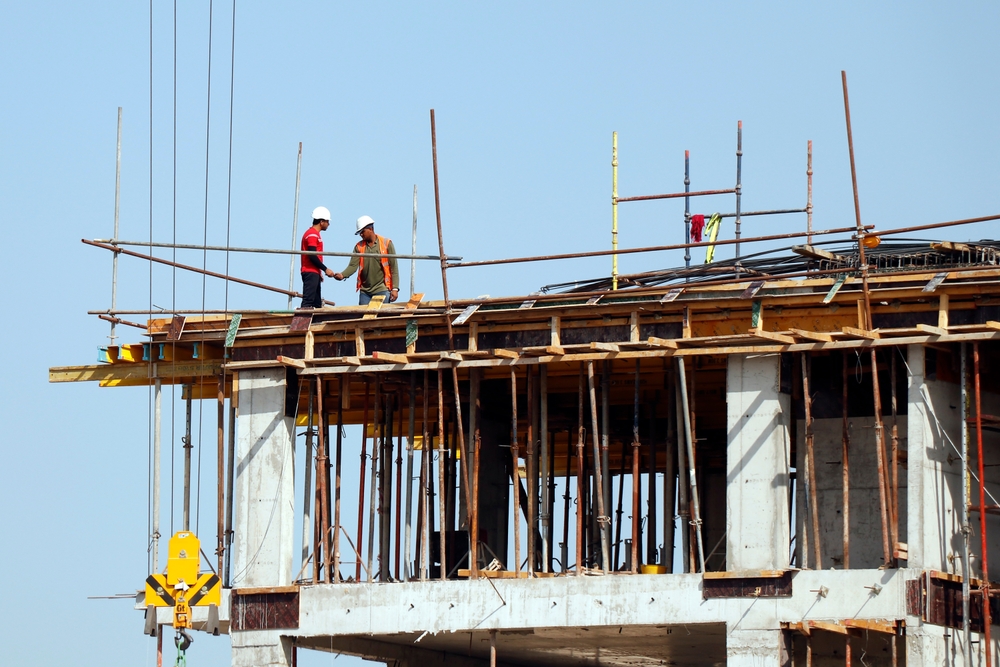
If you expected diggers to stop digging across the Gulf after hostilities began on 28 February, that hasn’t happened. Not yet.
Across the GCC, construction sites are largely operating as normal. According to MEED, there are 6,738 live projects under execution with a combined value of $951bn. That’s not a market that shuts down overnight.
Contractors in the UAE, Saudi Arabia and Qatar say most of their sites are open, staffed and pushing ahead. In Dubai, a handful of projects paused work – usually because they were close to security incidents or authorities asked them to stop. But those cases are the exception, not the rule.
Even oil and gas projects in Saudi Arabia and Qatar – the kind you’d assume would be first in line for disruption – are continuing.
So, from the outside, it looks steady. But scratch the surface and you’ll find a lot of quiet risk management happening behind the scenes.
Most contractors don’t see this as force majeure. Instead, they’re treating it as a disruption that needs careful documentation. That means logging delays. Tracking material price changes. Keeping written records of every instruction and shipment delay.
If you’ve worked on projects in the region, you’ll know this drill. When uncertainty creeps in, paperwork multiplies.
Right now, many contractors are taking a pragmatic approach: keep building, support the client, don’t escalate prematurely. But everyone is watching the numbers.
Because the real pressure point may not be what’s happening on site – it’s what’s happening at sea.
International shipping through the Strait of Hormuz has effectively stopped. That’s not a small detail. A huge portion of the region’s materials – specialist equipment, steel components, MEP systems – flows through that corridor.
If shipments stall for weeks, projects won’t grind to a halt overnight. Most major sites carry buffer stock. But stretch it long enough? You’ll start to see sequencing issues. Then programme slippage. Then cost claims.
And let’s talk oil prices. Yes, higher oil can boost state revenues in producing countries. But for contractors? Higher fuel costs mean more expensive transport, more expensive manufacturing, more expensive everything. Margins in Gulf contracting are already tight. There isn’t much fat to absorb prolonged inflation.
Here’s where it gets interesting.
Some in the market worry that uncertainty will slow new contract awards. That’s a reasonable fear. Big developers don’t love volatility.