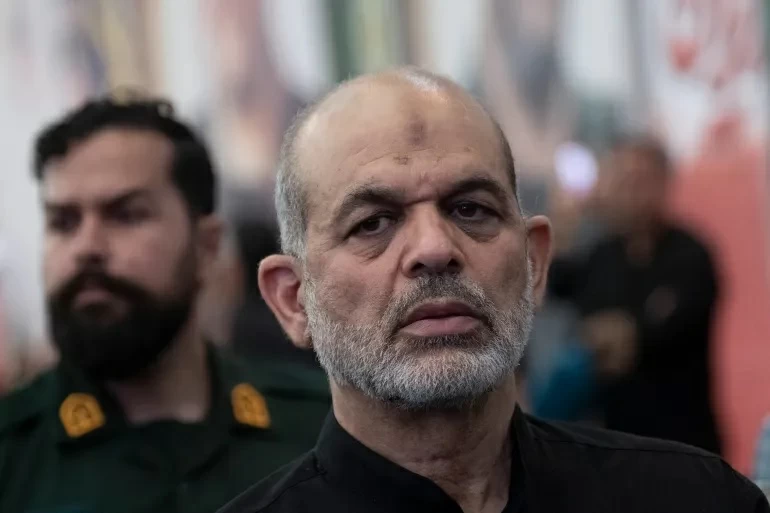
أفادت وسائل إعلام إيرانية بتعيين أحمد وحيدي في منصب القائد العام للحرس الثوري. ونقلت وكالة الأنباء الأوروبية عن وسائل إعلام إيرانية، تعيين أحمد وحيدي قائداً للحرس الثوري، بعد اغتيال قائده السابق اللواء محمد باكبور في عملية إسرائيلية أمريكية مشتركة في أول أيام الحرب، وبذلك تدفع طهران بأحد أبرز رجال الظل في النظام الإيراني إلى واجهة المؤسسة العسكرية. فالرجل الذي تولى على مدى سنوات ملفات استخبارية وعسكرية وأمنية ثقيلة، يعود إلى الصدارة هذه المرة محاطاً بسجل دولي مثقل بالعقوبات والاتهامات.
أول قائد لفيلق القدس
وحيدي قيادي عسكري انخرط في صفوف الحرس الثوري منذ عام 1979، وتولى منصب نائب رئيس الاستخبارات فيه، قبل أن يكون أول قائد لفيلق القدس ويشرف على وحدة الاستخبارات ويؤسس عدة معسكرات تدريبية.
يعدّ وحيدي شخصية مؤثرة في النظام الإيراني ويمتد نفوذه إلى المناصب المدنية، فهو عضو كامل العضوية في مجلس تشخيص مصلحة النظام، وترأس وزارة الداخلية في الحكومة الثالثة عشرة، وكان وزيراً للدفاع ودعم القوات المسلحة في الحكومة العاشرة.
ينتمي إلى مدينة شيراز
وُلد أحمد وحيدي (أحمد شاه جيراغي) عام 1958 في مدينة شيراز. أتمّ دراسته الجامعية في تخصص الإلكترونيات، ثم واصل تعليمه العالي فنال درجة الماجستير في الهندسة الصناعية، والدكتوراه في العلوم الإستراتيجية، وتولى منصب رئيس جامعة الدفاع الوطني.
بدأ مسيرته العسكرية في صفوف الحرس الثوري أثناء الحرب الإيرانية العراقية (1980-1988)، وأسهم في تأسيس المؤسسات العسكرية والاستخبارية للنظام.
وفي عام 1981، عندما تولى محسن رضائي قيادة الحرس الثوري، أصبح وحيدي نائباً له مسؤولاً عن وحدة الاستخبارات، وأسهم في تنظيم الوزارة وإنشاء معسكرات تدريبية للحرس.
في عام 1988، أصبح أول قائد لفيلق القدس، الوحدة النخبوية للحرس الثوري، ما وضعه في صدارة العمليات الخارجية للحرس، وأكد دوره المحوري في تطوير قدرات إيران الإقليمية والخارجية.
وزيراً للدفاع
وفي ثمانينيات وتسعينيات القرن العشرين، شغل وحيدي منصب وزير الدفاع، ونائب وزير الدفاع لشؤون التخطيط والبرمجة والشؤون الدولية، وكان عضواً مؤثراً في لجنة الدفاع والأمن في المجلس الإستراتيجي للعلاقات الخارجية.
في عام 1997، انتقل إلى وزارة الدفاع تحت قيادة علي شمخاني وشغل منصب نائب التخطيط والبرامج، ثم عُيّن وزيراً للدفاع وإسناد القوات المسلحة في عهد مصطفى محمد نجار، واستمر في هذا المنصب حتى 2013، بما في ذلك الحكومة العاشرة برئاسة أحمدي نجاد، وأشرف على إعداد الخطة الخمسية الخامسة للتنمية فيما يخص الشؤون السياسية والدفاعية والأمنية.
وشغل وحيدي مناصب مدنية وأمنية إضافية، فكان عضواً في مجمع تشخيص مصلحة النظام في 22 سبتمبر 2022 لخمسة أعوام، ورئيساً للجنة السياسية والدفاعية والأمنية التابعة له، ثم نائباً لرئيس أركان القوات المسلحة.
وعُيّن نائباً للقائد العام للحرس الثوري، ثم وزير داخلية من أغسطس 2021 حتى 2024 في حكومة إبراهيم رئيسي، وأشرف على أجهزة إنفاذ القانون في البلاد.
اتهامات وعقوبات
وعلى الصعيد الدولي، واجه وحيدي اتهامات وعقوبات متعددة؛ إذ أدرجه الاتحاد الأوروبي في 24 يونيو 2008 ضمن قائمة المرتبطين بالأنشطة النووية الحساسة.
ووضعت الأرجنتين مذكرة اعتقال دولية بحق أحمد وحيدي منذ 9 نوفمبر 2006؛ بسبب الاشتباه في تورطه في الهجوم بالقنابل على الجمعية الأرجنتينية اليهودية في بوينس آيرس عام 1994، والذي أسفر عن مقتل 85 شخصاً.
Iranian media reported the appointment of Ahmad Vahidi as the commander-in-chief of the Revolutionary Guard. The European News Agency quoted Iranian media about the appointment of Ahmad Vahidi as the commander of the Revolutionary Guard, following the assassination of its previous commander, General Mohammad Pakpour, in a joint Israeli-American operation on the first day of the war.
First Commander of the Quds Force
Vahidi is a military leader who has been involved with the Revolutionary Guard since 1979. He held the position of Deputy Head of Intelligence before becoming the first commander of the Quds Force, overseeing the intelligence unit and establishing several training camps.
Vahidi is considered an influential figure in the Iranian regime, with his influence extending to civilian positions. He is a full member of the Expediency Discernment Council and chaired the Ministry of Interior in the thirteenth government. He was also the Minister of Defense and Armed Forces Support in the tenth government.
Hails from Shiraz
Ahmad Vahidi (Ahmad Shah Jiraghi) was born in 1958 in the city of Shiraz. He completed his university studies in electronics, then continued his higher education, earning a master’s degree in industrial engineering and a doctorate in strategic sciences, and served as the president of the National Defense University.
He began his military career in the Revolutionary Guard during the Iran-Iraq War (1980-1988) and contributed to the establishment of the military and intelligence institutions of the regime.
In 1981, when Mohsen Rezaei took command of the Revolutionary Guard, Vahidi became his deputy responsible for the intelligence unit and contributed to organizing the ministry and establishing training camps for the Guard.
In 1988, he became the first commander of the Quds Force, the elite unit of the Revolutionary Guard, placing him at the forefront of the Guard’s external operations and confirming his pivotal role in developing Iran’s regional and external capabilities.
Minister of Defense
In the 1980s and 1990s, Vahidi held the position of Minister of Defense and Deputy Minister of Defense for Planning, Programming, and International Affairs, and was an influential member of the Defense and Security Committee in the Strategic Council for Foreign Relations.
In 1997, he moved to the Ministry of Defense under the leadership of Ali Shamkhani and served as Deputy for Planning and Programs, then was appointed Minister of Defense and Armed Forces Support during the tenure of Mostafa Mohammad Najjar, continuing in this position until 2013, including during the tenth government under Ahmadinejad, overseeing the preparation of the fifth five-year development plan concerning political, defense, and security affairs.
Vahidi held additional civilian and security positions, being a member of the Expediency Discernment Council on September 22, 2022, for five years, and chairing its political, defense, and security committee, then serving as Deputy Chief of Staff of the Armed Forces.
He was appointed Deputy Commander of the Revolutionary Guard, then Minister of Interior from August 2021 until 2024 in the government of Ebrahim Raisi, overseeing law enforcement agencies in the country.
Accusations and Sanctions
On the international front, Vahidi has faced multiple accusations and sanctions; the European Union listed him on June 24, 2008, among those linked to sensitive nuclear activities.
Argentina issued an international arrest warrant for Ahmad Vahidi since November 9, 2006, due to suspicions of his involvement in the bombing attack on the Argentine Jewish community center in Buenos Aires in 1994, which resulted in the deaths of 85 people.