We are deep into the home stretch of the 2025-26 NBA season, and the lessons for next year are already hitting us like a fast break. If you’re already eyeing the 2026-27 trophy, you need to learn from the chaos happening right now. Forget what worked in 2024; the game has changed. Here are the three massive draft blunders you must dodge if you want to be the one taking home the league’s cash next year.
Mistake 1: Overvaluing Injury-Prone Players
High Risk, Low Reward on Stars Like Joel Embiid
Drafting a player who lives on the Injury List is the fastest way to torch your season. Look at Joel Embiid of the Philadelphia 76ers. This season, he has only managed to suit up for 33 games as of late March 2026 due to persistent knee issues. This follows a dismal 2024-25 campaign where he appeared in just 19 games.
Spending a top-tier pick on someone who might only play 40% of the season is a losing strategy. Data from Yahoo Fantasy indicates that nearly 20% of managers lose their leagues solely because their top picks end up stuck on the IL. Instead, bet on durable youth like Victor Wembanyama. Wemby is a physical marvel who averaged 3.8 blocks and 24.3 points in the 2024-25 season. He is currently leading the league in blocks again for the 2025-26 season, making him the safe, high-floor talent your roster needs.
Mistake 2: Chasing Last Year’s Stats
Geoff Burke-Imagn Images
Efficiency Drops in Post-Hype Players Like Young
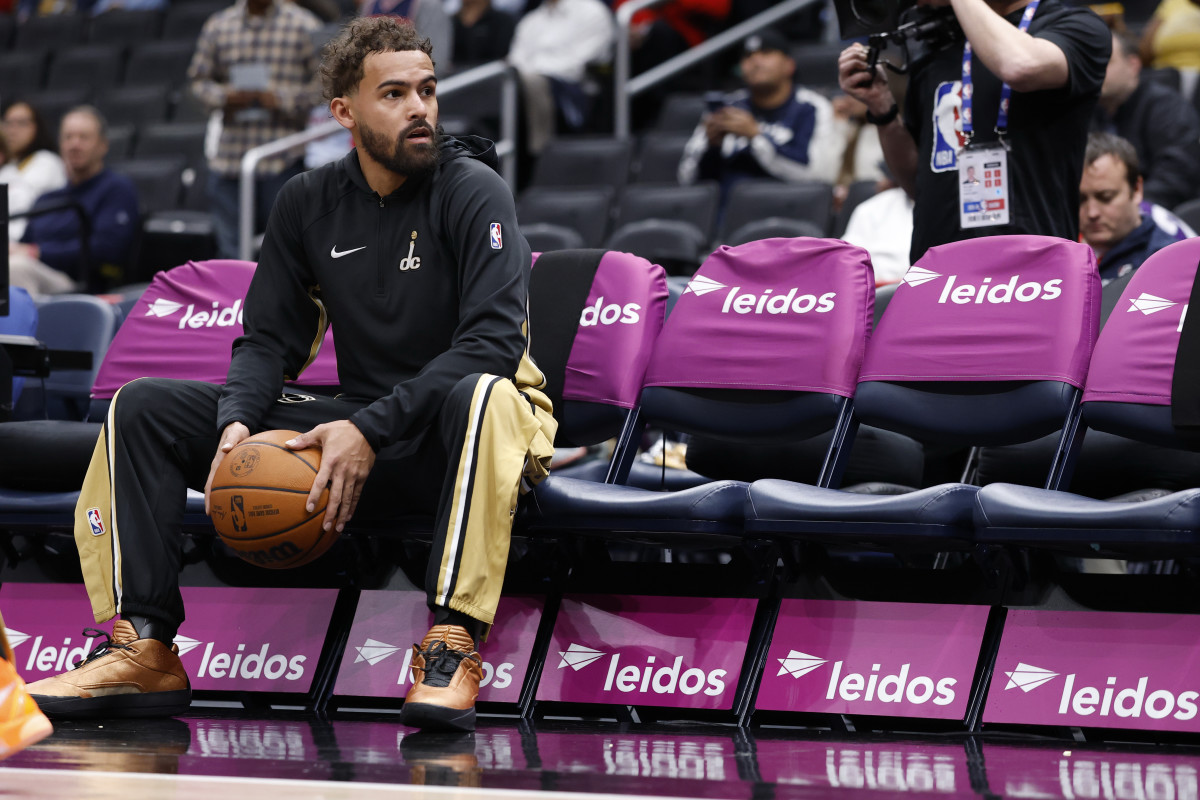
Chasing raw points from a previous season is a classic newbie trap. Smart managers draft for efficiency. Take Trae Young, who was traded to the Washington Wizards in January 2026. While he led the league with 11.6 assists in 2024-25, his shooting stayed a low 41.1% FG. This season, his scoring has cooled to 17.9 PPG. If you drafted him expecting elite superstar numbers, you are currently overpaying.
Bill Streicher-Imagn Images
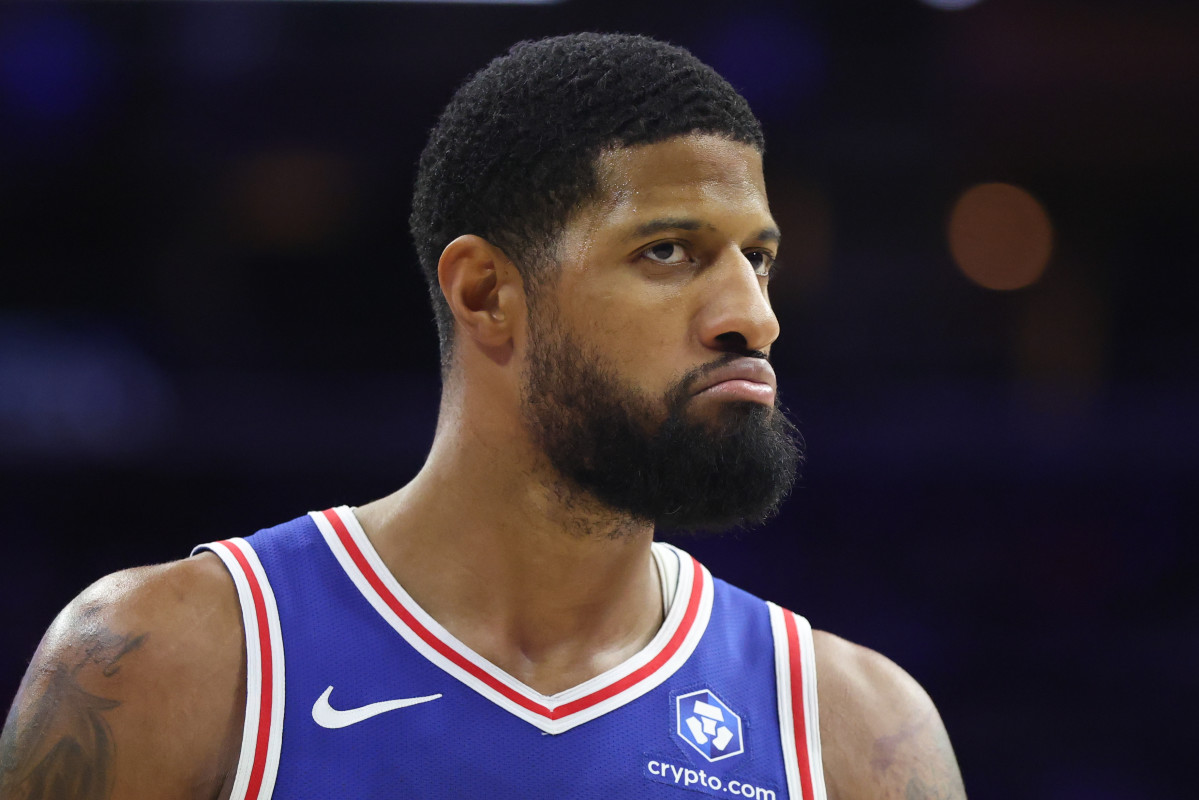
His high turnovers (4.7 per game in 2024-25) can sink your team in category leagues. It is a similar decline to Paul George, whose scoring dipped to 16.2 PPG last year. Instead of declining names, target post-hype stars like Evan Mobley. The Cleveland Cavaliers big man won the 2024-25 Defensive Player of the Year and averaged 18.5 points and 1.6 blocks on a much more efficient 55.7% FG.
Mistake 3: Ignoring Category Balance
© Darren Yamashita-Imagn Images
Lopsided Rosters Lead to Losses
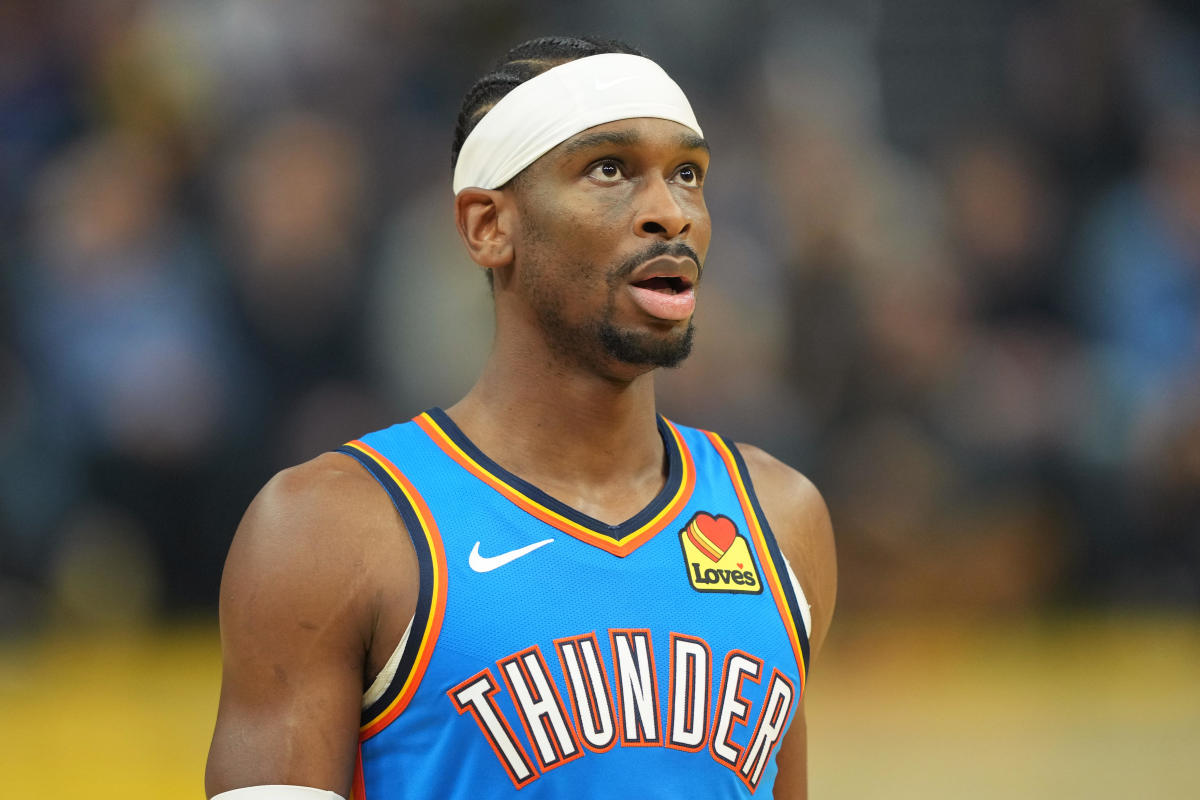
Drafting only scorers is a recipe for disaster. In standard leagues, you need to win at least five of the nine categories (like Steals and Blocks) to win your matchup. The current king of balance is Shai Gilgeous-Alexander (SGA) of the OKC Thunder. SGA swept the 2024-25 season as the MVP and Finals MVP, leading the league with 32.7 PPG while adding elite defensive stats like 1.7 steals.
Lopsided rosters are too easy to beat. If your team only scores, an opponent with a balanced lineup will beat you in Rebounds, Blocks, and Steals every time. This season, top-performing fantasy teams won an average of 7 out of 9 categories per week. For 2026-27, focus on stat-stuffers like SGA or Wembanyama who contribute across the board. If you must punt (ignore) a category, choose one strategically (like Free Throw percentage), but never let your roster become a one-trick pony.
Conclusion: Do This To Win
Dominating the 2026-27 drafts requires you to prioritize health, efficiency, and balance over old names and empty stats. For intermediates, mock often and adapt to youth shifts for a competitive edge.
Avoid These Critical Draft Mistakes To Succeed in 2026-27
What are the most common fantasy basketball draft mistakes for the 2026-27 season?
Overvaluing injury-prone stars, chasing last year’s stats, ignoring category balance, and overlooking playoff schedules consistently lead to underperforming rosters.
How can you avoid drafting injury-prone players in fantasy basketball?
Prioritize durable players with multi-season availability and avoid early-round investments in stars with recurring or chronic injuries.
Why is drafting based on last season’s stats a losing strategy?
Because role changes, efficiency regression, and team context shifts often reduce repeat production, making prior-year totals misleading.
What does category balance mean in fantasy basketball drafts?
It means building a roster that contributes across multiple categories so you can consistently win weekly matchups rather than relying on one strength.
How does the fantasy basketball playoff schedule affect draft strategy?
Teams with more games during playoff weeks provide a volume edge, allowing managers to accumulate more stats and gain matchup advantages.
Is it risky to draft players on bad teams in fantasy basketball?
Yes, because weaker teams increase volatility through inconsistent roles, reduced efficiency, and potential late-season shutdowns.
This story was originally published by Athlon Sports on Mar 22, 2026, where it first appeared in the Fantasy section. Add Athlon Sports as a Preferred Source by clicking here.