There may be a sliver of hope that the war in Iran is nearing some form of truce, but that doesn’t mean it’s instantly back to lower-priced oil.
Strategists at Citi said the markets need to get accustomed to oil prices above $100 per barrel. In a new note on Tuesday, they said it sees Brent crude (BZ=F) rallying to “at least” $120 per barrel over the coming month. The investment bank’s “bull case” scenario pegs oil at $150 per barrel, a reiteration of their recent outlook.
“Our bull case scenario for energy (and stagflation case for global growth) is that neither military action nor diplomacy solves or mitigates the issues and disruptions to Strait of Hormuz flows and/or that damage to regional energy infrastructure prolongs the situation into the middle of the year or beyond,” the strategists said.
They added, “Near-term, the imminent ultimatum from President Trump (i.e. Strait of Hormuz opens or US attacks on Iranian public energy infrastructure attacks) is perhaps not as extreme as it seems (rather an escalate to de-escalate move if it occurs at all), since Iran likely has more than 400 power plants, with the largest perhaps only 2-3% of total power supply.”
The price of oil is likely to remain the main market driver in the near term.
Read more: How oil price shocks ripple through your wallet, from gas to groceries
Since the launch of Operation Epic Fury on Feb. 28, global energy markets have experienced a violent “war premium” being built into prices.
Oil prices, which had been around $72 per barrel before the US strikes on Iran, instantly surged. The closure of the Strait of Hormuz has placed 20% of global supply at risk. Brent crude briefly peaked at a staggering $119 per barrel in early March before settling into a volatile range.
As of today, Brent crude is trading near $101 per barrel, a nearly 50% increase in less than a month. Prices pulled back a bit on Monday following President Trump’s comments on having “productive” talks with Iran.
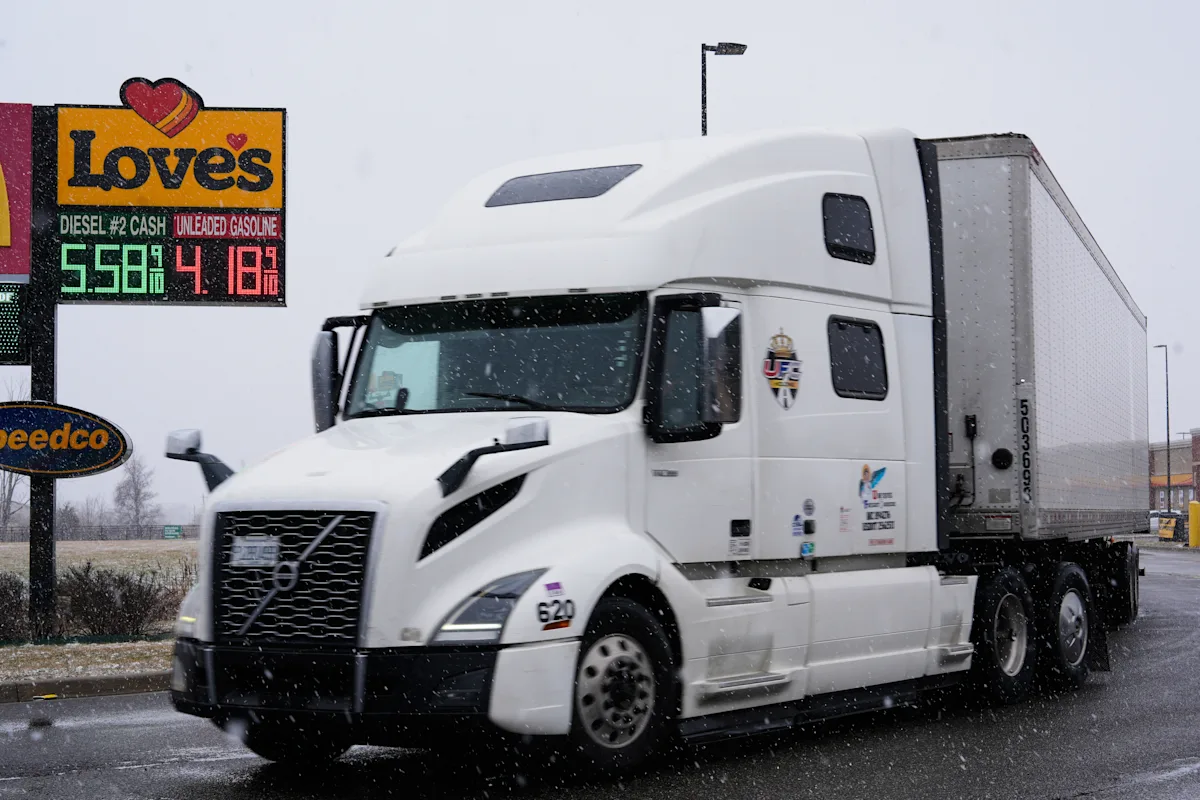
The rise in oil prices has started to hit consumers’ wallets, with the average price of gas across the country approaching $4 per gallon. Diesel prices have soared, putting pressure on trucking operations.
Goldman Sachs strategists said late Monday in a note that consumers around the world need to brace for an inflation surge, in large part because of much higher oil prices hitting supply chains.
“[Higher gas prices are] absolutely recessionary in the short term,” former Trump administration insider Gary Cohn said on Yahoo Finance’s Opening Bid.