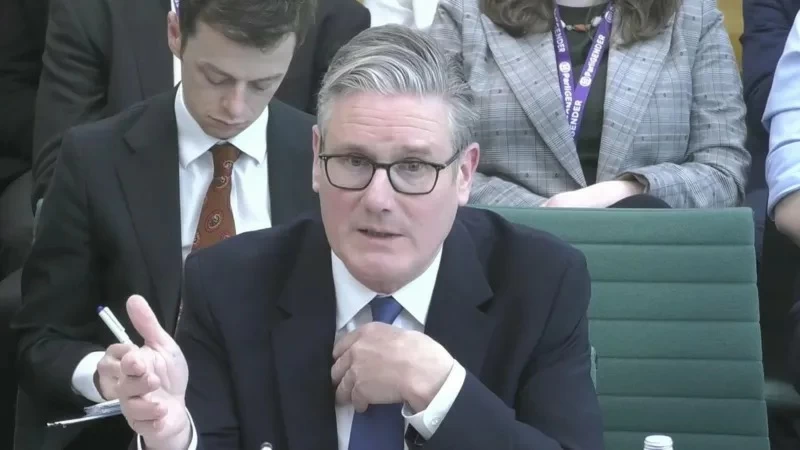
حذّر رئيس الوزراء البريطاني كير ستارمر من أن الحرب الدائرة مع إيران قد لا تنتهي قريباً، مؤكداً أنه وجّه فريقه الحكومي إلى عدم الانجرار وراء افتراضات بحدوث نهاية سريعة للنزاع.
وخلال جلسة أمام لجنة الاتصال البرلمانية، شدد ستارمر على ضرورة العمل من أجل خفض التصعيد بشكل عاجل، لكنه أشار في الوقت ذاته إلى أن الحكومة مطالبة بالاستعداد لاحتمال استمرار الصراع لفترة طويلة.
وأكد أن النزاع الحالي «ليس حرب بريطانيا»، مشدداً على أن أي مشاركة محتملة يجب أن تستند إلى أساس قانوني واضح وخطة مدروسة بعناية.
وجاءت تصريحاته بعد إعلان الرئيس الأمريكي دونالد ترمب أن المحادثات بين واشنطن وطهران كانت قوية جداً، وأن هناك فرصة جدية للتوصل إلى اتفاق ينهي الأعمال العدائية، رغم نفي إيران إجراء أي مفاوضات.
وفي سياق متصل، أشار ستارمر إلى أنه يدرك الضغوط التي تُمارس عليه، في إشارة إلى انتقادات ترامب لرفض لندن السماح باستخدام قواعدها العسكرية في الضربات الأولية، مؤكداً أنه لن يتراجع عن اتخاذ قرارات تخدم المصلحة الوطنية البريطانية.
تداعيات اقتصادية واستعدادات حكومية
وكشف ستارمر عقد اجتماع طارئ للجنة الطوارئ الحكومية (كوبرا) بمشاركة كبار الوزراء ومحافظ بنك إنجلترا لبحث التأثيرات الاقتصادية للحرب، خصوصاً بعد ارتفاع أسعار الطاقة.
وكانت إيران قد ردت على الضربات الأمريكية-الإسرائيلية عبر تعطيل حركة الملاحة في مضيق هرمز، ما أدى إلى ارتفاع أسعار النفط والغاز عالمياً.
وأشار رئيس الوزراء إلى أن الحكومة تدرس تقديم دعم للأسر مع انتهاء سقف أسعار الطاقة الحالي، خصوصاً مع توقع زيادة الاستهلاك في الأشهر المقبلة، لافتاً إلى أن وزيرة الخزانة راشيل ريفز ستقدم بياناً رسمياً للبرلمان بشأن نتائج الاجتماع.
كما لمح إلى إمكانية اتخاذ إجراءات لمواجهة استغلال الشركات للأزمة، بما في ذلك تعزيز صلاحيات هيئة المنافسة والأسواق للحد من التلاعب بالأسعار.
خلافات سياسية وضغوط داخلية
على الصعيد الداخلي، دعت زعيمة حزب المحافظين كيمي بادنوك إلى زيادة إنتاج النفط في بحر الشمال وخفض الضرائب على الوقود، بينما طالب زاك بولانسكي، زعيم حزب الخضر في إنجلترا وويلز، بفرض ضرائب أعلى على شركات الطاقة وتعزيز الاستثمار في مصادر الطاقة المتجددة.
موقف عسكري حذر
وأكد ستارمر أن بريطانيا لم تشارك في الضربات العسكرية، لكنها سمحت باستخدام قواعدها لدعم العمليات الأمريكية، مشدداً على أن بلاده لن تنجر إلى الحرب.
وفي السياق العسكري، أعلن وزير الدفاع جون هيلي أن صاروخين إيرانيين أُطلقا باتجاه قاعدة دييغو غارسيا المشتركة بين بريطانيا والولايات المتحدة، إلا أنهما لم يصلا إلى الهدف ولم يشكلا تهديداً مباشراً.
كما وصلت المدمرة البريطانية HMS Dragon إلى شرق البحر المتوسط، وبدأت عمليات التنسيق الدفاعي مع الحلفاء.
انتقادات حول الجاهزية الدفاعية
وشهدت جلسة البرلمان توتراً، حيث انتقد عدد من النواب بطء نشر القوات البريطانية، واعتبروا أن الاستجابة العسكرية كانت غير كافية.
ورد ستارمر على هذه الانتقادات بالإشارة إلى أن سنوات من ضعف الاستثمار في الدفاع خلال الحكومات السابقة أثرت على جاهزية القوات المسلحة، مؤكداً أن خطة الاستثمار الدفاعي الجديدة قيد الإعداد حالياً.
وتعكس تصريحات الحكومة البريطانية نهجاً حذراً في التعامل مع الحرب، يجمع بين السعي لخفض التصعيد والاستعداد لسيناريوهات طويلة الأمد، مع محاولة الحد من التداعيات الاقتصادية والسياسية داخلياً، دون الانخراط المباشر في النزاع.
British Prime Minister Keir Starmer warned that the ongoing war with Iran may not end soon, emphasizing that he has directed his government team not to fall into assumptions of a quick end to the conflict.
During a session before the parliamentary liaison committee, Starmer stressed the urgent need to work towards de-escalation, but at the same time indicated that the government must be prepared for the possibility of the conflict continuing for a long time.
He confirmed that the current conflict “is not Britain’s war,” emphasizing that any potential involvement must be based on a clear legal foundation and a carefully considered plan.
His remarks came after U.S. President Donald Trump announced that talks between Washington and Tehran were very strong, and that there was a serious opportunity to reach an agreement to end hostilities, despite Iran denying any negotiations were taking place.
In this context, Starmer noted that he is aware of the pressures being exerted on him, referring to Trump’s criticisms of London’s refusal to allow the use of its military bases for initial strikes, affirming that he will not back down from making decisions that serve British national interests.
Economic Implications and Government Preparations
Starmer revealed that an emergency meeting of the government’s Cobra committee was held with senior ministers and the Governor of the Bank of England to discuss the economic impacts of the war, particularly after the rise in energy prices.
Iran had responded to the U.S.-Israeli strikes by disrupting shipping in the Strait of Hormuz, leading to a global increase in oil and gas prices.
The Prime Minister indicated that the government is considering providing support to families as the current energy price cap comes to an end, especially with expectations of increased consumption in the coming months, noting that Treasury Secretary Rachel Reeves will present an official statement to Parliament regarding the outcomes of the meeting.
He also hinted at the possibility of taking measures to combat companies exploiting the crisis, including enhancing the powers of the Competition and Markets Authority to curb price manipulation.
Political Disputes and Domestic Pressures
Domestically, Conservative Party leader Kemi Badenoch called for increased oil production in the North Sea and a reduction in fuel taxes, while Zac Polanski, leader of the Green Party in England and Wales, demanded higher taxes on energy companies and increased investment in renewable energy sources.
Cautious Military Stance
Starmer confirmed that Britain did not participate in military strikes, but allowed the use of its bases to support U.S. operations, stressing that his country will not be drawn into war.
In the military context, Defense Minister John Healey announced that two Iranian missiles were fired towards the Diego Garcia base shared by Britain and the United States, but they did not reach their target and did not pose a direct threat.
The British destroyer HMS Dragon has also arrived in the eastern Mediterranean and has begun defensive coordination operations with allies.
Criticism of Defense Readiness
The parliamentary session witnessed tension, as several MPs criticized the slow deployment of British forces, considering that the military response was inadequate.
Starmer responded to these criticisms by pointing out that years of underinvestment in defense during previous governments have affected the readiness of the armed forces, confirming that a new defense investment plan is currently being prepared.
The statements from the British government reflect a cautious approach to dealing with the war, combining efforts to de-escalate with preparations for long-term scenarios, while trying to mitigate economic and political repercussions domestically, without direct involvement in the conflict.