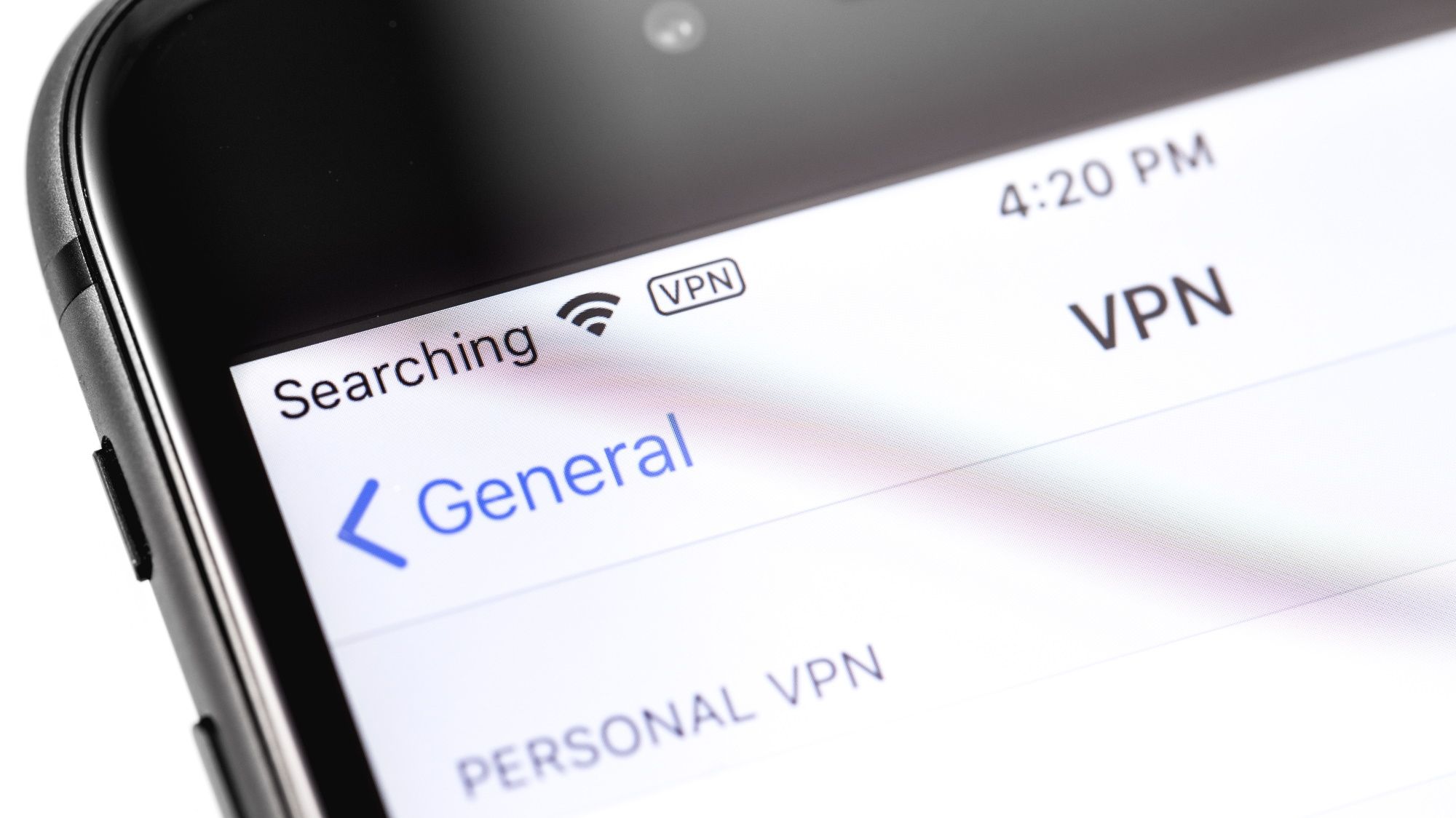
Today, the UK launched its landmark children’s digital safety consultation — an initiative that could have dramatic repercussions for VPN use across the country.
The Department for Science, Innovation & Technology (DSIT) is calling for evidence from parents, industry, and the public to understand how technology impacts children’s wellbeing and to ensure online experiences are “safe and enriching.”
The survey — which will help inform upcoming government policy — includes questions about whether VPNs should be age-restricted and what impact introducing mandatory age checks would have on the wider population.
The consultation also questions whether social media access should be restricted by age and if “addictive” design features — including autoplay and infinite scrolling — should be banned for minors.
What does the consultation ask about VPNs?
The specific questions regarding VPNs and other circumvention methods demonstrate that the government is seriously considering mandatory age checks for VPN apps.
However, they also show that officials are weighing the potential repercussions for everyday users. For example, the consultation explicitly notes the “privacy implications” for the wider population if age verification becomes a requirement for all.
The five questions about VPNs are:
- Circumvention methods: Which tools are children currently using to bypass online safety rules?
- Government priorities: How should the government reduce circumvention — increased education, restricting children’s access to VPNs, or other methods?
- Universal age checks: To what extent do you agree that everyone should be subjected to age checks to access a VPN if it prevents children using them?
- Assessing impact: What would the impact of age-restricting VPNs be on the wider population?
- Enforceability: How should the government make age checks on VPNs effective and workable?
The reaction
Following months of deliberation, today’s launch is the most concrete demonstration of the government’s interest in restricting access to VPNs. Speaking to TechRadar last month, a DSIT spokesperson said:
“We recognize that VPNs serve legitimate purposes, including protecting privacy and security online. That’s precisely why we’re consulting to make sure we get this right – we want to hear from all stakeholders, including VPN providers and digital rights organizations, about how any measures can be targeted and proportionate.”
This approach is mirrored in the consultation report, which acknowledges that “there are many reasons that children may wish to use a VPN.” The document specifically cites the “enhanced data protection” provided when connecting to public Wi-Fi and the “extra level of security” for online banking as legitimate benefits for younger users.
The consultation follows a proposal from the House of Lords that called for a total ban on the technology for children. While that amendment was overturned in favor of this evidence-gathering phase, VPN companies have already said they are “open to meaningful dialogue.”
However, critics have argued that any policies designed to restrict VPNs could put “vulnerable people in immediate danger” and that such measures are unworkable without an “extreme level of digital authoritarianism.”
Have your say
If you want to share your views on the potential for VPN age checks, the government’s consultation is open for three months, closing on May 26, 2026.
Take part: You can complete the official survey at GOV.UK.
Sign the petition: There is also a petition calling on the government to reject any proposals that would restrict or ban the use of VPNs for children “because of the impact this would have on other VPN users.”
Follow TechRadar on Google News and add us as a preferred source to get our expert news, reviews, and opinion in your feeds. Make sure to click the Follow button!